
Blooming
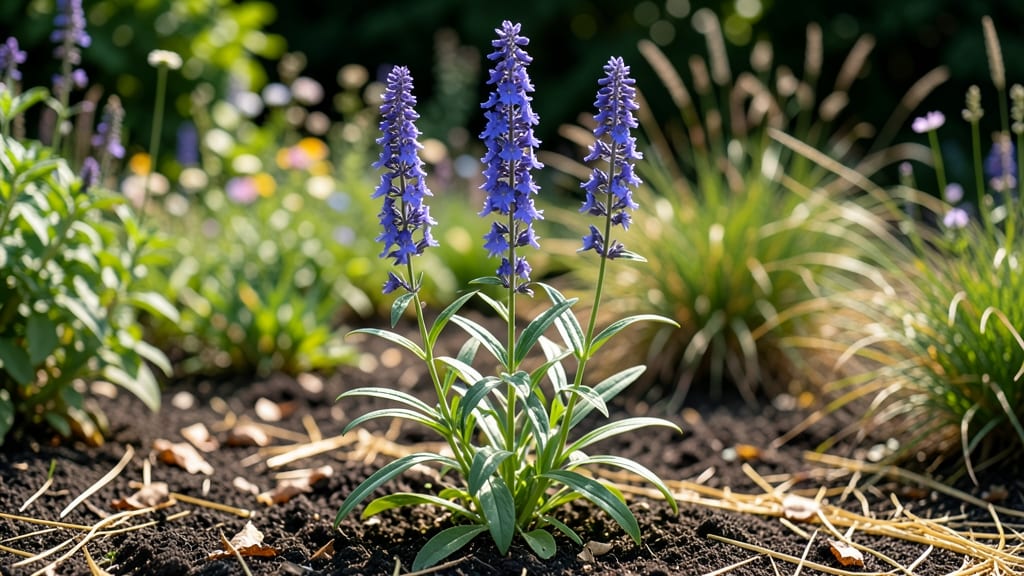
Long leaf speedwell transforms shady corners into vibrant blue blooms that last all summer. 💙 I’ve grown this tough perennial for years, and it’s become my go-to for adding color where sun struggles to reach—it thrives in spots where hostas and ferns just can’t compete.
This plant is a self-sustaining workhorse: once established, it spreads gently on its own, filling gaps without becoming invasive. The key is moist, well-draining soil and partial shade, but it’s forgiving enough to handle morning sun too.
In zones 3-8, it comes back reliably each spring, rewarding patience with weeks of cheerful blue spikes that butterflies adore. You’ll love how effortless it is—just water consistently until roots establish, then let nature take over.
Prune back spent blooms in early fall to keep the foliage tidy, and watch it bounce back stronger. The real magic? It pairs beautifully with hostas, astilbes, and ferns, creating a lush, layered shade garden that feels like a secret forest.
For beginners, this is the foolproof perennial that delivers drama with minimal fuss. Even my first attempt—planted in a too-dry spot—survived and bloomed. Here’s how to get the same results in your garden.
📚 In This Guide
- What you need
- Instructions
- Tips and common mistakes
- Wrapping up and next steps
What you need
- ● Seeds or nursery-grown plants: 5–10 Veronica longifolia seeds (if starting from seed) or 3–5 young plants (for faster results).
- ● Choose organic, non-GMO seeds if possible for best growth.
- ● Well-draining potting mix or garden soil: 1–2 gallons of peat-free potting mix (if starting indoors) or amended garden soil (if planting directly outdoors).
- ● Add compost or aged manure (1 part compost to 3 parts soil) for nutrients.
- ● Containers or garden bed: Small seed trays or biodegradable pots (4–6 inches deep) for seedlings.
- ● OR a partially shaded garden bed (4–6 feet wide, depending on desired spread).
- ● Watering can or hose with a gentle spray nozzle.
- ○ Mulch (optional but recommended): 2–3 inches of organic mulch (e.g., shredded bark or straw) to retain moisture.
- ● Grow lights or sunny windowsill: If starting seeds indoors before the last frost.
- ● Fertilizer: A balanced, low-nitrogen fertilizer (e.g., 5-10-5) to encourage blooming.
- ● Pruning shears: For shaping plants and promoting bushier growth.
- ● Soil pH test kit: To ensure soil is slightly acidic to neutral (pH 6.0–7.0).
- ● Plant labels: To track varieties and planting dates.
Step-by-Step instructions for cultivating long leaf speedwell
This shade-loving perennial thrives with minimal fuss—just follow these steps for lush, vibrant foliage year after year.
🌱 Step 1: Select the Perfect Planting Site
Long leaf speedwell (Veronica longifolia) loves partial to full shade, tolerating as little as 3 hours of direct sun daily in hot climates. Scout your garden for a spot with well-draining soil—this plant hates soggy roots. I always check for natural moisture patterns: if the area stays damp after rain, amend with 2-3 inches of compost to improve drainage.
This perennial spreads slowly but steadily, so space plants 12-18 inches apart to allow for mature foliage. If planting near other shade perennials, group them with hostas, ferns, or astilbes—they share similar light and moisture needs. Avoid windy locations; the delicate leaves can tear in strong breezes.
⏰ Step 2: Prepare Soil and Plant at the Right Time
Work 2-3 inches of compost into the top 6 inches of native soil to provide organic matter and improve structure. Long leaf speedwell prefers slightly acidic to neutral soil (pH 6.0-7.0). Test your soil with a simple kit if unsure—amend with sulfur for acidity or lime for alkalinity before planting.
Plant in early spring or early fall when temperatures are mild. Avoid summer heat, which stresses young roots. Dig holes twice as wide as the root ball but only as deep—planting too deeply suffocates the crown. Gently tease apart roots if they’re circling in the container, then backfill with native soil.
💧 Step 3: Water Deeply and Maintain Moisture
Water deeply immediately after planting to settle the soil and eliminate air pockets. Aim for 1 inch of water per week, adjusting for rainfall. The first year is critical—keep soil evenly moist but never soggy. You’ll know moisture is right when the top 2 inches of soil feel damp but not waterlogged.
Once established, long leaf speedwell is drought-tolerant, but it rewards consistent moisture with vibrant blue flowers in late spring to early summer. Mulch with 2-3 inches of shredded bark to retain moisture and suppress weeds. Replenish mulch annually to maintain its insulating properties.
☀️ Step 4: Provide Minimal Care for Year-Round Growth
This perennial thrives with minimal pruning—cut back dead or damaged foliage in early spring before new growth emerges. If the plant spreads too aggressively, divide clumps in early fall every 3-4 years to rejuvenate growth. Simply dig up the root ball, separate sections with a clean knife, and replant.
Fertilize lightly in early spring with a balanced 10-10-10 formula—too much nitrogen encourages leafy growth at the expense of flowers. I skip fertilizer in the second year unless the foliage looks pale, which signals nutrient deficiency. Avoid high-phosphorus fertilizers; they promote weak stems.
✂️ Step 5: Encourage Blooms and Prevent Common Issues
To prolong flowering, deadhead spent blooms by pinching off faded flowers at the base. This redirects the plant’s energy into producing more flowers rather than seed pods. Watch for aphids or spider mites on new growth—spray with neem oil if you spot sticky residue or fine webbing.
If leaves yellow in late summer, it’s often due to heat stress or overwatering. Adjust your watering schedule and move container-grown plants to a shadier spot temporarily. With proper care, long leaf speedwell will reward you with compact, silvery-green foliage and striking blue spikes for decades.**
Tips & tricks for perfect long leaf speedwell cultivation
Here's what nobody tells you about making this shade-loving perennial truly thrive in your garden.
Site Selection Insight: The 3 hours of direct sun mentioned in Step 1 is a maximum—this plant actually prefers 2 hours or less in hotter climates. I've seen it struggle in areas with even 4 hours of afternoon sun, especially during summer. Look for spots where morning sun is filtered through trees or where buildings provide natural shade during peak heat hours.
Soil Prep Strategy: When amending soil with 2-3 inches of compost as instructed in Step 2, I recommend mixing in a handful of perlite or coarse sand to create better drainage channels. This prevents that dreaded "soggy roots" scenario while still maintaining moisture retention. The goal is a soil texture that feels like a well-wrung sponge—not too dense, but not crumbly.
Planting Timing Nuance: While early spring and early fall are ideal, I've found that late winter planting (February in most zones) works surprisingly well too. The key is getting the plants in the ground before the first warm rains arrive. Just be prepared to provide some temporary shade cloth if your area experiences sudden warm spells during this time.
Watering Wisdom: The "1 inch of water per week" guideline in Step 3 is perfect, but how you deliver it matters just as much. I use a soaker hose or drip irrigation to water at the base of the plant rather than overhead watering. This prevents fungal issues on the delicate foliage and ensures water reaches the roots where it's needed most. Early morning watering is ideal—it gives leaves time to dry before evening, reducing disease risk.
Pro Tips for Long Leaf Speedwell
- Here's what nobody tells you about making this shade-loving perennial truly thrive in your garden.
- Site Selection Insight: The 3 hours of direct sun mentioned in Step 1 is a maximum—this plant actually prefers 2 hours or less in hotter climates.
- Soil Prep Strategy: When amending soil with 2-3 inches of compost as instructed in Step 2, I recommend mixing in a handful of perlite or coarse sand to create better drainage channels.
Frequently asked questions
about growing Long Leaf Speedwell (Veronica longifolia) can help you avoid common pitfalls and ensure a thriving shade garden. Here are answers to the most common queries:Is Long Leaf Speedwell easy to grow for beginners?
This hardy perennial is very beginner-friendly. It thrives in partial to full shade, tolerates a range of soil types (even clay), and requires minimal maintenance. Just keep it consistently moist, and it’ll reward you with vibrant blue-purple blooms from late spring to early fall.
How long does it take for Long Leaf Speedwell to establish?
Patience pays off! Seed-grown plants may take 1-2 years to fully establish and bloom, while nursery starts often flower in their first season. Focus on keeping the soil moist during the first year to encourage strong root development. Once established, it’s drought-tolerant and spreads gradually via rhizomes.
Can I grow Long Leaf Speedwell in containers?
Yes, but with a few tweaks. Choose a large container (at least 12 inches deep) with well-draining soil and add a slow-release fertilizer. Use a mix of peat moss, perlite, and compost to mimic its woodland preferences. Water regularly—containers dry out faster—and consider overwintering pots indoors if temps drop below 10°F (-12°C).
Are there any pests or diseases I should watch for?
Long Leaf Speedwell is resistant to most pests, but keep an eye out for:
- Aphids: Spray with water or use insecticidal soap if clusters appear.
- Powdery mildew: Improve airflow and avoid overhead watering to prevent fungal issues.
- Slugs/snails: Use organic barriers (copper tape or diatomaceous earth) in moist climates.
What can I plant alongside Long Leaf Speedwell for a shade garden?
Pair it with complementary shade-lovers like:
- Hosta (for foliage contrast)
- Bleeding Heart (Dicentra) (for early spring blooms)
- Japanese Forest Grass (Hakonechloa) (for texture)
- Ferns (e.g., Maidenhair or Ostrich) (for lush greenery)
How do I propagate Long Leaf Speedwell?
There are two easy methods:
- Division: Dig up clumps in early spring or fall, separate the rhizomes, and replant. Water well for the first week.
- Seed: Sow seeds in fall or early spring in a cold frame or lightly covered outdoors. Germination can be slow—be patient!
Wrapping up and next steps
Growing long leaf speedwell is a rewarding way to bring vibrant color and texture to your shade garden—its delicate blooms and lush foliage make it a standout perennial. With the right soil, light, and care, this hardy plant thrives with minimal fuss, offering years of beauty.
Whether you're a seasoned gardener or just starting, your shade garden is ready for this charming addition!
Ready to dive in? Start by prepping your soil this weekend—then watch your speedwell flourish! 🌿 For extra tips, check out our FAQ section or share your progress with the gardening community. Happy planting!