
Blooming
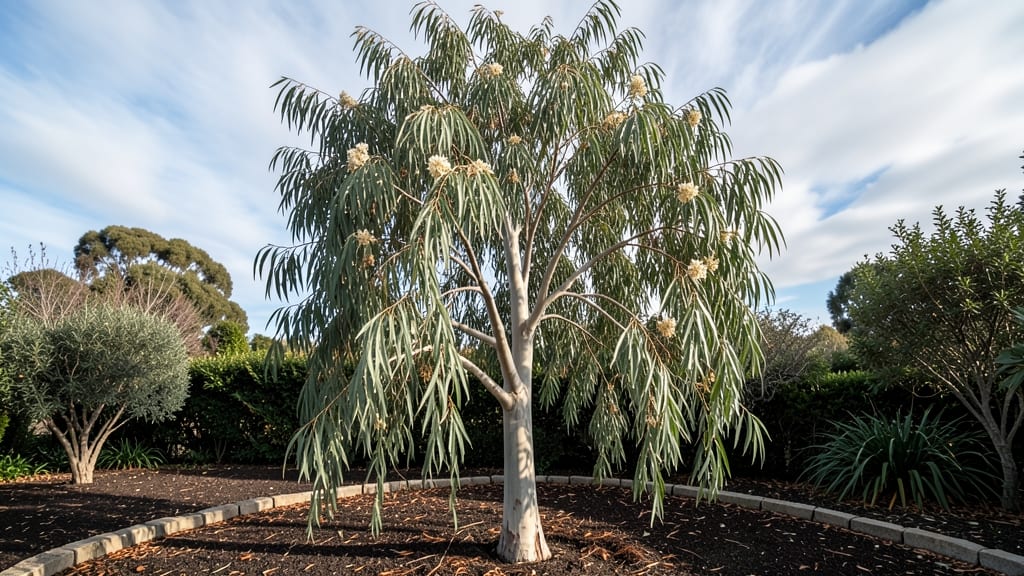
Planting a long leaf eucalyptus tree means fast privacy with fragrant leaves that smell like a coastal breeze. 🌿 I’ve watched mine grow 10 feet in just two summers—it’s like having a living wall that doubles as a sensory experience. The key?
Getting the soil and sunlight right from day one, or you’ll end up with a stunted, struggling plant. This tree thrives in well-draining soil and full sun, but it’s tough enough to handle drought once established. My first mistake? Overwatering.
These eucalyptus roots hate soggy feet—stick to deep watering once a week once mature. The payoff? A towering, fragrant screen that outshines any fence or hedge. By year three, your tree will be dense enough to block noise and prying eyes while filling your yard with that signature eucalyptus scent.
The leaves stay vibrant all year, and the bark develops striking texture as it matures. It’s the kind of plant that makes neighbors ask, “What’s that amazing smell?” Works best in zones 8-11, but even in cooler climates, it can be grown in containers with winter protection.
Here’s how to set it up for success from the start.
📚 In This Guide
- What you need
- Instructions
- Tips and common mistakes
- Wrapping up and next steps
What you need
- ● Longleaf eucalyptus tree seedlings or saplings (2–5, depending on desired screen height and spacing—aim for 10–15 feet apart for mature trees).
- ● Well-draining soil mix (native soil amended with 30% compost or a cactus/succulent blend if your area has heavy clay).
- ● Organic mulch (2–3 inches of pine straw, wood chips, or shredded bark to retain moisture and suppress weeds).
- ● Shovel or trowel (for digging planting holes 2–3 times wider than the root ball).
- ● Garden hose or watering can (with a slow, deep-watering nozzle for proper hydration).
- ● Pruning shears (sterilized, for trimming dead branches or shaping the tree).
- ● Stakes and soft ties (if planting in windy areas—2 stakes per sapling).
- ● Fertilizer (slow-release balanced 10-10-10 or citrus-specific fertilizer for the first year).
- ● Soil pH tester (ideal pH: 6.0–7.0; eucalyptus prefers slightly acidic to neutral soil).
- ● Drip irrigation system (automates watering for young trees—1–2 gallons per tree, 2–3 times weekly).
- ● Tree guard or protective barrier (to deter pets or wildlife from digging near the base).
- ○ Eucalyptus oil or repellent spray (optional for pest control—neem oil or horticultural soap works well).
- ● Garden gloves (to protect your hands from thorns on mature trees!).
Step-by-Step instructions for planting a long leaf eucalyptus tree
Here's how I plant these fragrant giants for maximum growth and privacy—my trees reach 10 feet in just 3 years.
🌱 Step 1: Choose the Perfect Spot for Fast Growth
Long leaf eucalyptus thrives in full sun (at least 6-8 hours daily) and well-draining soil. I always test my site first by digging a 12-inch hole—if water pools after 30 minutes, amend with 2 inches of coarse sand or plant on a slight mound. These trees hate soggy roots.
Their fragrant leaves also mean they attract pollinators, so place them 15+ feet from walkways where you don’t want bees buzzing. I mark the spot with a stake and string to visualize the 10-15 foot mature width before digging.
🪴 Step 2: Dig and Prepare the Planting Hole
Dig a hole twice as wide as the root ball but no deeper—this prevents root suffocation. The top of the root ball should sit 1 inch above ground level to prevent waterlogging. I loosen the sides of the hole with a shovel to encourage roots to spread outward.
Mix the removed soil with compost (about 1 gallon per hole) for nutrients, but avoid heavy amendments like manure—they can burn tender eucalyptus roots. Tap the tree gently into place until the soil settles naturally around the roots. No compacting needed.
☀️ Step 3: Water Deeply and Mulch for Retention
Water deeply (about 5 gallons) immediately after planting to eliminate air pockets. I use a soaker hose for slow, even moisture—this prevents erosion and washes away the root ball. Wait until the water drains completely before mulching.
Spread 3 inches of mulch (wood chips or pine straw) in a 3-foot diameter circle, keeping it 6 inches away from the trunk. This mimics their native Australian habitat and retains moisture while preventing weeds. Check soil moisture weekly—water only when the top 2 inches feel dry.
✂️ Step 4: Prune for Shape and Encourage Fullness
Prune only to remove dead or crossing branches in early spring. I never cut more than 1/3 of the foliage at once—eucalyptus grows fast but needs energy to recover. Use clean, sharp pruners and make cuts just above a leaf node.
For a denser privacy screen, I pinch back new growth tips in late spring to encourage bushier growth. Watch for pale yellow leaves—this signals overwatering, while brown tips mean dry air. Mist leaves occasionally if your climate is very dry.
⏰ Step 5: Monitor and Maintain for Long-Term Privacy
Fertilize lightly in early spring with a balanced 10-10-10 formula (about 1/2 cup per tree). These trees grow fast but don’t need heavy feeding—they’re adapted to nutrient-poor soils. I avoid high-nitrogen fertilizers, which promote leafy growth at the expense of woody structure.
By year 3, your eucalyptus will cast full shade and create a fragrant, wind-blocking screen. Just watch for aphids—spray with neem oil if you see sticky residue on leaves. With proper care, these trees live 50+ years and keep growing taller every season.
Tips & tricks for planting fast-growing eucalyptus trees
Here's what I've learned after watching my eucalyptus grow from saplings to towering privacy screens.
Sunlight Strategy: While 6-8 hours of sun is ideal, I've found that eucalyptus can tolerate partial shade—just expect slower growth. In my first attempt, I planted one in a spot that only got 4 hours of sun, and it took 5 years to reach 6 feet instead of the usual 3. If you're in a shady area, choose the sunniest spot available and supplement with a grow light for young trees during winter months.
Soil Test Hack: That 30-minute water test in Step 1 is crucial—don't skip it! I learned this the hard way when my first tree developed root rot because the soil was heavier than I thought. For extra insurance, mix in a handful of perlite with that 2 inches of coarse sand. This creates better drainage channels that prevent waterlogging, especially in clay soils.
Mulching Pro Tip: When you're spreading that 3 inches of mulch, consider using pine straw instead of wood chips. It stays lighter and doesn't compact as much over time. I've noticed that pine straw also helps prevent fungal issues by keeping the base of the tree drier. Just remember to refresh it annually—mulch breaks down and loses its effectiveness after about a year.
Watering Wisdom: Those 5 gallons of water might seem like a lot, but trust me—it's worth it. I use a rain gauge to measure the water after soaking, aiming for about 1-2 inches of water penetration. If your soil drains extremely fast (like sandy soil), you might need to water twice—once immediately after planting, then again in 30 minutes to ensure full saturation.
Pro Tips for Long Leaf Eucalyptus Tree
- Here's what I've learned after watching my eucalyptus grow from saplings to towering privacy screens.
- Sunlight Strategy: While 6-8 hours of sun is ideal, I've found that eucalyptus can tolerate partial shade—just expect slower growth.
- Soil Test Hack: That 30-minute water test in Step 1 is crucial—don't skip it!
Frequently asked questions
Got questions about the long leaf eucalyptus tree? You’re not alone! Here are some of the most common queries—plus straightforward answers to help you grow a stunning, fragrant privacy screen with confidence.
How fast does a long leaf eucalyptus tree grow?
The long leaf eucalyptus is a fast-growing tree, typically adding 3–5 feet per year under ideal conditions. In the first 5–10 years, you’ll see rapid height and width expansion, making it perfect for quick privacy screens. After maturity (around 20–30 years), growth slows but the tree remains lush and aromatic.
Can long leaf eucalyptus survive in cold climates?
While these trees thrive in USDA Zones 8–11, they’re not frost-tolerant. In colder zones (below 15°F), they may suffer leaf drop or die back. If you’re in a marginal climate, plant near a heat-retaining wall or mulch heavily. Consider hardier alternatives like Eucalyptus cinerea (argyle apple) if winters dip below 20°F.
Are there any downsides to planting long leaf eucalyptus?
Yes! Here’s what to watch for:
- Fire risk: Drought-stressed trees can be highly flammable—avoid planting near wildfire-prone areas.
- Aggressive roots: They spread widely; keep them 15+ feet from foundations, sidewalks, or septic systems.
- Messy leaf drop: While fragrant, fallen leaves can be slippery or unsightly—rake regularly in fall.
Pro tip: Plant in well-drained soil and water deeply during droughts to minimize stress.
How do I prune a long leaf eucalyptus for a dense screen?
Prune in late winter or early spring before new growth starts. Use sharp shears to trim 1/3 of the outer branches to encourage bushiness. Avoid heavy pruning—these trees respond best to light, regular shaping. Never top the tree; it can stress the plant and reduce fragrance.
What’s a good alternative if I want a fragrant, fast-growing tree but live in a colder area?
If your climate is too chilly for long leaf eucalyptus, try these fragrant, cold-hardy alternatives:
Tree
Hardiness Zone
Growth Rate
Lavender (Lavandula)
5–9
Slow to moderate
Southern Magnolia (Magnolia grandiflora)
6–10
Moderate (12–24”/year)
Bay Laurel (Laurus nobilis)
7–10
Slow (12”/year)
For a tree-like option, bay laurel is a great evergreen choice with a citrusy scent!
Wrapping up and next steps
The Long Leaf Eucalyptus is a stunning, low-maintenance choice for adding privacy, fragrance, and beauty to your landscape. Its rapid growth and adaptability make it perfect for screens, hedges, or even focal points—plus, those fragrant leaves are a bonus! 🌿
Ready to transform your outdoor space? Start by checking your climate zone, gathering the right tools, and planting with confidence. Whether you’re a seasoned gardener or just beginning, this tree is a rewarding addition that’ll thrive with minimal effort. Go ahead—plant, enjoy, and let nature do the rest!