
Pests and Diseases
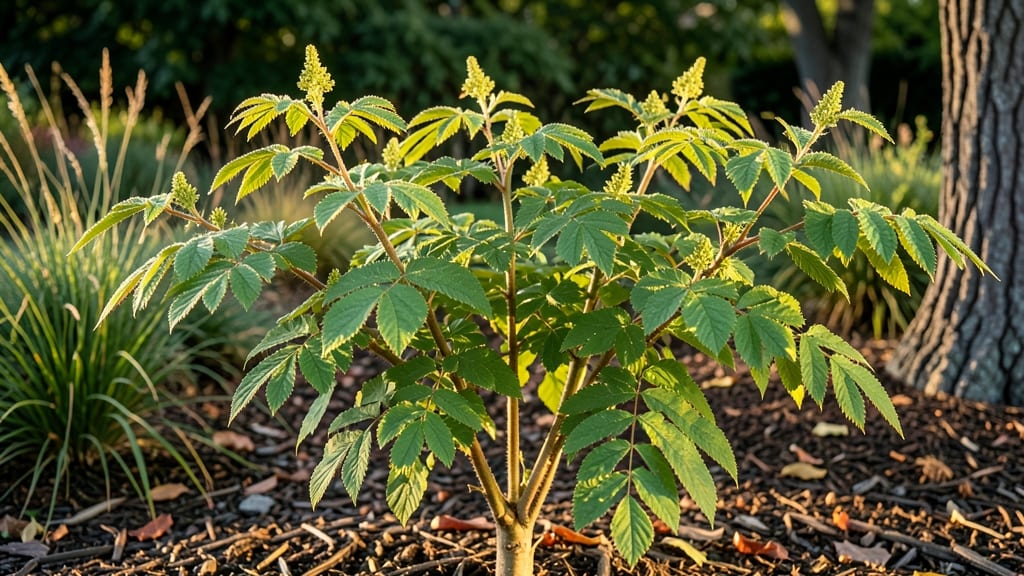
The leaf of sumac packs a flavor punch that turns foraging into a culinary adventure—but only if you grow the right variety. 🌿 Staghorn sumac (Rhus typhina) and smooth sumac (Rhus glabra) are the edible stars, while other species can irritate skin or cause stomach upset.
The key? Planting in full sun with well-draining soil and learning when to harvest those tart, lemony leaves for tea or seasoning.
These shrubs thrive with minimal fuss—once established, they handle drought and poor soil like champions. Start with seeds or cuttings in early spring, and within a year, you’ll have a bush that grows 6-12 feet tall and wide.
The leaves turn brilliant red in fall, adding seasonal drama to your landscape while keeping your pantry stocked with a free, zero-waste spice alternative.
Harvest leaves in late spring or early summer before they harden, and dry them for tea or crush fresh for a zesty garnish. Just avoid toxic species like poison sumac—look for compound leaves with 7-41 leaflets (the more, the merrier for edible types).
With the right care, your sumac will reward you for years with both beauty and bounty.
Perfect for wild-edible gardens, pollinator-friendly landscapes, or even urban containers—sumac adapts to almost any climate zone. Here’s how to keep yours thriving without the guesswork.
📚 In This Guide
- What you need
- Instructions
- Tips and common mistakes
- Wrapping up and next steps
What you need
- ● Sumac plants: 1–3 Staghorn sumac (Rhus typhina) or Smooth sumac (Rhus glabra) seedlings (nursery-grown or propagated)
- ● OR 50–100 sumac seeds (if starting from scratch; requires stratification)
- ● Growing location: Full sun to partial shade (6+ hours of sunlight daily)
- ● Well-draining soil (pH 6.0–7.5; tolerates clay but hates waterlogging)
- ● Space: 10–15 feet wide (sumac spreads via suckers)
- ● Soil amendments (if needed): Compost (1–2 gallons per planting hole)
- ● Sand or perlite (for heavy clay soils, mix 20% sand into top 6 inches)
- ● Tools: Garden trowel or spade
- ● Pruning shears (sterilized with rubbing alcohol)
- ● Watering can or hose with a gentle nozzle
- ● Mulch (straw, wood chips, or pine needles; 2–3 inches thick)
- ● Pest/disease prevention: Neem oil (1 tsp per gallon of water for fungal issues like powdery mildew)
- ● Row covers (for young plants to deter deer or rabbits)
- ● Harvesting aids: Pruning saw (for larger branches)
- ● Gloves (sumac leaves can stain; opt for nitrile)
- ● Seasonal care: Fertilizer (balanced 10-10-10, sparingly—sumac is low-maintenance!)
- ● Drip irrigation kit (for drought-prone areas)
Step-by-step instructions for growing leaf of sumac
Here’s how to grow sumac shrubs that thrive year-round and deliver abundant harvests.
🌱 Step 1: Choose the Right Location and Prepare the Soil
Sumac thrives in full sun to partial shade, so pick a spot with at least 6 hours of direct sunlight daily. I always check the site’s drainage first—sumac hates soggy roots. If your soil drains poorly, mix in 2-3 inches of coarse sand or gravel to improve aeration.
Sumac is adaptable to most soil types but grows best in slightly acidic to neutral soil (pH 6.0-7.5). A simple soil test kit helps confirm your soil’s pH. If it’s too alkaline, amend with sulfur or peat moss to lower the pH gradually. Avoid heavy clay soils unless you’ve amended them with organic matter.
🪴 Step 2: Plant Sumac Shrubs at the Right Time and Depth
Plant sumac in early spring or fall, when temperatures are mild. Dig a hole twice as wide as the root ball but only as deep as the container’s base—planting too deep suffocates roots. Gently loosen the roots if they’re circling in the pot before placing the shrub in the hole.
Backfill with native soil, pressing lightly to remove air pockets. Water deeply right after planting to settle the soil. Mulch around the base with 2-3 inches of wood chips or shredded bark, keeping it 3-4 inches away from the trunk to prevent rot. This mulch layer retains moisture and regulates soil temperature.
☀️ Step 3: Water and Fertilize for Healthy Growth
Sumac is drought-tolerant once established, but young shrubs need consistent moisture for the first year. Water deeply once a week, providing 1-2 inches of water per session. You’ll know it’s enough when water reaches 6-8 inches deep in the soil. Let the top inch dry out between waterings to encourage deep root growth.
Fertilize lightly in early spring with a balanced, slow-release fertilizer (10-10-10). Apply only half the recommended dose—sumac doesn’t need much. Over-fertilizing leads to weak, leggy growth. Skip fertilizer entirely if your soil is rich in organic matter.
✂️ Step 4: Prune for Shape and Health
Prune sumac in late winter or early spring before new growth begins. Remove dead, diseased, or crossing branches first, cutting back to the main stem or a healthy lateral branch. This keeps the shrub open and airy, reducing pest and disease risks.
For shaping, trim back overly long branches by one-third to encourage bushier growth. Avoid heavy pruning in late summer—it stimulates tender new growth that won’t harden off before frost. Sumac responds well to pruning, so don’t fear cutting back aggressively if needed.
🌿 Step 5: Harvest and Maintain for Year-Round Yields
Harvest sumac leaves in early summer when they’re fully mature but before they turn red or brown. Pick the youngest, most tender leaves for the best flavor. Use clean, sharp scissors to avoid damaging the shrub. Harvest no more than one-third of the foliage at a time to ensure regrowth.
In fall, leave some leaves on the shrub to provide winter interest and protect the plant from cold snaps. Rake up fallen leaves in late fall to prevent mold and pests from overwintering. With proper care, your sumac will produce harvests for decades, making it a low-maintenance, high-reward shrub.
Tips & tricks for perfect sumac shrub growth
Here's what I've learned from years of growing sumac—these small details make all the difference between a struggling shrub and a thriving one.
Sunlight Secret: While sumac tolerates partial shade, you'll get the most vibrant leaves and abundant harvests by placing it where it gets full sun for at least 6 hours daily. I've noticed that even just an hour less sunlight can delay leaf maturation by up to 2 weeks in my experience. Face the shrub toward the south if you're in the Northern Hemisphere for maximum exposure.
Soil Test Tip: Don't guess about your soil's pH—pick up an inexpensive test kit for just a few dollars. I've seen sumac plants struggle in soil that tested at 7.8 when they should have been thriving in 6.5-7.5 range. If you need to adjust, sulfur works faster than peat moss for lowering pH, but it takes about 3 months to show full effects. Always test again after amending.
Planting Depth: This is where most beginners go wrong—I've seen people plant sumac too deep because they think "more soil equals better roots." The key is planting at the same depth as the root ball, no deeper. Use a reference mark on your shovel or pot to check before backfilling. Too-deep planting suffocates the stem and can kill your shrub within months.
Watering Hack: Instead of watering lightly every few days, give your young sumac a deep soak once a week that reaches 6-8 inches deep. I use a long screwdriver to check moisture levels—when it comes out dry at that depth, it's time to water again. This encourages deep root growth that makes sumac so drought-tolerant once established.
Pro Tips for Leaf Of Sumac
- Here's what I've learned from years of growing sumac—these small details make all the difference between a struggling shrub and a thriving one.
- Sunlight Secret: While sumac tolerates partial shade, you'll get the most vibrant leaves and abundant harvests by placing it where it gets full sun for at least 6 hours daily.
- Soil Test Tip: Don't guess about your soil's pH—pick up an inexpensive test kit for just a few dollars.
Frequently asked questions
Got questions about growing and harvesting sumac leaves?
Here are some of the most common ones—plus quick, practical answers to keep your shrubs thriving!
When is the best time to harvest sumac leaves?
The ideal time to harvest sumac leaves is in early spring (just before new growth appears) or late summer to early fall when the leaves are still tender but fully mature. Avoid harvesting after the first frost, as the leaves can become bitter and tough. For year-round use, focus on pruning in late winter to encourage fresh growth.
What pests or diseases should I watch for in sumac shrubs?
Sumac is generally hardy, but keep an eye out for aphids, spider mites, or scale insects—common pests that can stress the plant. For diseases, leaf spot or powdery mildew may appear in humid conditions. Treat pests with neem oil or insecticidal soap, and ensure good airflow to prevent fungal issues. Prune affected leaves promptly!
Can I use sumac leaves as a substitute for other herbs or spices?
Dried sumac leaves (or berries) add a tangy, lemony flavor similar to sumac spice, making them a great substitute for citrus zest in savory dishes, teas, or even cocktails. For a milder taste, mix with rosemary or thyme. Just remember: sumac leaves are not a direct swap for herbs like oregano or basil—think of them as a zesty, aromatic accent!
How long does it take for sumac shrubs to mature enough for harvesting?
Sumac shrubs grow relatively fast—you can expect noticeable growth in the first 1-2 years, with harvestable leaves by year 2 or 3. For optimal leaf production, plant in full sun and well-draining soil. Patience pays off: mature shrubs (5+ years old) yield abundant, flavorful leaves year after year!
What’s the best way to dry sumac leaves for long-term storage?
To preserve sumac leaves, harvest on a dry day and bundle small stems together with rubber bands. Hang bundles upside down in a dark, well-ventilated area (like a pantry or dehydrator set to 95°F) for 1-2 weeks. Once completely dry and brittle, store in airtight containers away from light. Pro tip: Crumble dried leaves for teas or sprinkle whole over dishes for a pop of flavor!
Wrapping up and next steps
Growing sumac shrubs is a rewarding adventure—packed with year-round benefits, from vibrant foliage to delicious harvests! 🌿 Whether you're battling pests, nurturing young plants, or troubleshooting diseases, remember that patience and care yield the best results.
With the right tools and knowledge, your sumac will thrive, offering beauty and utility for seasons to come.
Ready to take the next step? Start small—plant a few shrubs, monitor their progress, and soon you’ll be sharing your sumac harvest hacks with fellow gardeners! Happy growing! 🌱