
Pruning
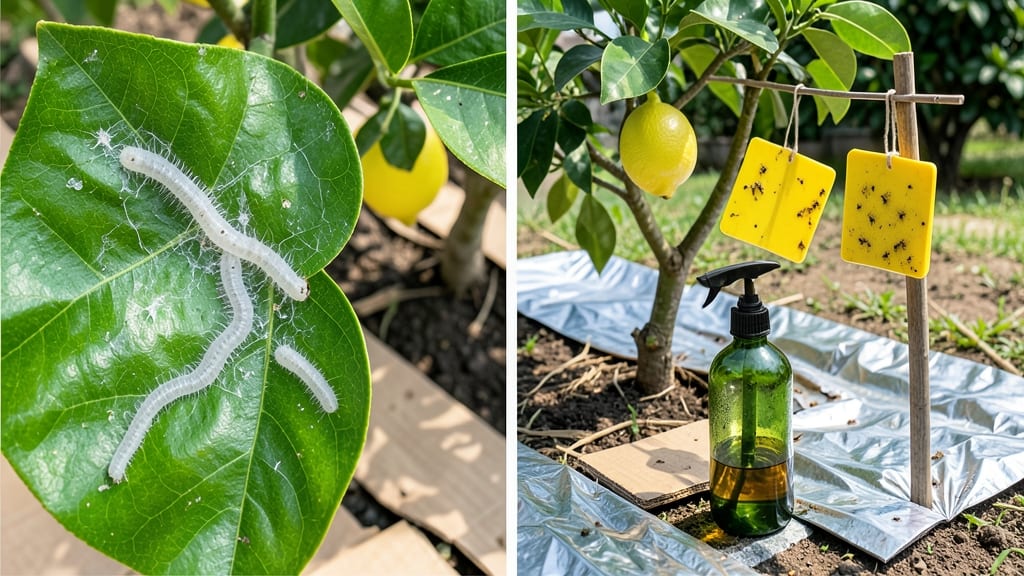
Leaf miner damage turns your lemon tree leaves into a maze of brown tunnels—ugly and unhealthy. 🌿 I’ve saved my own trees by pruning the worst damage early, which stops the cycle before it spreads.
The key is acting fast: once those serpentine mines appear, the larvae are already feeding, and the tree’s energy drains with every leaf they hollow out.
Start by cutting out any leaves with visible mines—don’t wait for more to appear. Use clean, sharp pruners to avoid spreading damage, and dispose of the infected leaves in sealed bags. For stubborn infestations, follow up with neem oil or insecticidal soap, which smothers the larvae without harming bees.
My trees bounce back within weeks if I catch it early, with fresh, glossy leaves pushing out.
The real fix isn’t just pruning—it’s prevention. Thin the canopy in late winter to improve airflow, and wrap young trees in fine mesh netting to block adult flies.
Healthy trees resist pests better, so feed your lemon tree with citrus-specific fertilizer in spring and water deeply but infrequently. A strong tree is less tempting to miners.
This method works for both dwarf and standard lemon trees, and it’s just as effective for other citrus like limes and oranges. The goal is to keep your tree producing those sweet, fragrant lemons while keeping the foliage lush and green. Let’s get those leaves looking healthy again.
Root Causes of Leaf Miner Infestations
Leaf miners—those tiny, serpentine larvae that tunnel through your lemon tree’s leaves—don’t just appear out of nowhere. Understanding why they target your tree is the first step to stopping them. Below, we break down the scientific triggers behind these destructive pests, so you can address the real issues at play.
---
Lemon trees under stress are like open invitations for leaf miners. When a tree’s natural defenses falter, pests like Phytomyza (a common leaf miner genus) detect vulnerability and strike. Here’s how it happens:
- Nutrient Deficiencies: A lack of nitrogen (N), phosphorus (P), or potassium (K) weakens leaf cell walls, making them easier for larvae to penetrate.
Yellowing leaves (chlorosis) or stunted growth are red flags. - Water Stress: Overwatering or drought creates ideal conditions for miners. Overwatered soil leads to soft, spongy leaves, while drought stress reduces sap flow, making leaves less resilient. - Poor Soil Health: Compacted or nutrient-poor soil limits root growth, reducing the tree’s ability to produce defensive compounds like phenolics (natural insect repellents).
Pro Tip: 🌡️ Test your soil’s pH (ideal: 6.0–7.0 for citrus) and amend with compost or organic matter to boost immunity.
---
Leaf miners thrive when environmental conditions align with their three-stage life cycle: 1. Egg Stage: Adult flies lay eggs on the underside of leaves (preferring tender, new growth). 2. Larval Stage: Hatchlings burrow into leaves, feeding on chloroplasts (the green, energy-producing cells).
3. Pupation: Larvae drop to the soil to pupate, emerging as adults in 7–14 days—ready to repeat the cycle.
Key Triggers: - Warm, Humid Climates: Leaf miners love temperatures between 70–85°F (21–29°C) and high humidity (60%+). Coastal or tropical regions are hotspots. - Overcrowded Leaves: Dense foliage (from poor pruning) traps heat and moisture, creating a leaf miner paradise. Thin out branches to improve airflow. - Seasonal Peaks: Infestations surge in spring and early summer when new leaves emerge—soft and nutrient-rich, perfect for feeding.
Pro Tip: ✨ Install yellow sticky traps near your tree to monitor adult fly activity early.
---
Sometimes, we accidentally create the perfect conditions for leaf miners. Common mistakes include:
- Ignoring Pruning: Dead or diseased branches harbor pests. Prune regularly to remove hiding spots and improve sunlight penetration. - Over-Fertilizing with Nitrogen: While nitrogen promotes growth, excessive use leads to soft, tender leaves—leaf miner buffets. - Bringing Infested Plants Home: Purchasing or grafting lemon trees with hidden larvae (check leaves before buying!). - Neglecting Sanitation: Fallen leaves or debris near the tree provide pupation sites for larvae.
Clear organic matter year-round.
Pro Tip: 🔥 Disinfect pruning tools with rubbing alcohol between cuts to prevent spreading larvae.
--- Not all causes are preventable, but recognizing them helps you mitigate damage: - Wind or Hail Damage: Torn leaves create entry points for eggs. - Pest Interactions: Aphids or spider mites weaken leaves, making them more attractive to miners. - Climate Shifts: Unusual heatwaves or storms can disrupt natural predator-prey balances (e.g., parasitic wasps that eat leaf miner larvae).
Actionable Fix: 🎯 Introduce beneficial nematodes (Steinernema feltiae) or ladybugs to naturally control populations.
--- Before treating, confirm the root cause with this quick checklist: | Symptom | Likely Cause | Solution | |---------------------------|-------------------------------------------|---------------------------------------| | Serpentine trails in leaves | Active leaf miner larvae | Prune + neem oil spray | | Yellowing new growth | Nitrogen deficiency or overwatering | Adjust fertilizer & watering | | Sticky residue on leaves | Sap-sucking pests (aphids) | Blast with water or insecticidal soap | | Wilting despite water | Root rot or compacted soil | Improve drainage, aerate soil |
Pro Tip: 💡 Use a hand lens to inspect leaf tunnels—fresh, green frass (larval poop) confirms active miners.
Practical Fixes for Leaf Miner Woes
Leaf miners may sound like a tiny nuisance, but their damage can turn your lemon tree’s lush green canopy into a skeleton of browned trails and weakened growth. The good news?
With the right approach, you can reverse the damage, restore your tree’s health, and keep future infestations at bay. Below, we’ll break down targeted solutions based on the root cause—whether it’s early-stage larvae, severe infestation, or long-term prevention. Let’s get your lemon tree back to thriving!
---
If you’ve spotted faint white or brown squiggly lines on just a few leaves, you’re in the golden window for intervention. At this stage, the damage is minimal, and your tree still has a fighting chance.
#### 🔥 Step 1: Hand-Pick the Pests (Yes, Really!) - When? Early morning or late evening (larvae are sluggish and easier to spot). - How? - Wear gloves and inspect leaves under bright light. - Look for tiny white maggots (leaf miners) tunneling under the surface. - Use a soft paintbrush or damp paper towel to gently scrape them off into a bucket of soapy water. - Pro Tip: 💡 Check the underside of leaves—this is where larvae hide!
#### 🍳 Step 2: Prune Damaged Foliage - Remove only the worst-affected leaves (no need to panic-prune). - Dispose of clippings in a sealed bag (not compost!) to prevent reinfestation. - Sterilize pruners with rubbing alcohol between cuts.
#### 👨🍳 Step 3: Apply Organic Sprays (Safe & Effective) Leaf miners hate kaolin clay and neem oil, which create a barrier they can’t penetrate. - Mix: 1 tbsp neem oil + 1 tsp dish soap + 1 quart of water.
Spray top and bottom of leaves at dusk. - Alternative: Kaolin clay spray (like Surround WP) forms a physical shield. Reapply every 7–10 days after rain.
---
If 50%+ of leaves show mining trails, your tree is under siege. Time to combine aggressive treatments with long-term fixes.
#### 🔪 Step 1: Radical Pruning (But Strategically!) - Remove all heavily damaged leaves—this stops the larvae from spreading. - Focus on new growth (larvae love tender leaves!). Trim suckers and weak branches first. - Thin the canopy slightly to improve air circulation (leaf miners thrive in humidity).
#### ⏰ Step 2: Introduce Beneficial Predators Nature’s cleanup crew can eat leaf miners before they hatch! - Parasitic wasps (like Diglyphus isaea) lay eggs inside leaf miner pupae. - Order online or release lacewings (they devour larvae). - Pro Tip: 🌡️ Timing matters! Release predators early spring when miners are most active.
#### 🛡️ Step 3: Chemical-Free Barriers - Floating row covers (lightweight fabric) over young trees block adult flies from laying eggs. - Sticky traps (yellow or blue) near the tree catch adult miners before they strike.
--- Once you’ve won the battle, lock in victory with these low-maintenance habits:
| Prevention Tip | How to Do It | Why It Works | |----------------------------------|-----------------------------------------------------------------------------------|-------------------------------------------| | 🌿 Healthy Soil = Strong Trees | Test soil pH (aim for 6.0–7.0).
Add compost and balanced fertilizer. | Weak trees attract pests! | | 💦 Water Wisely | Water deeply at the base (not overhead).
Avoid wet foliage (miners love damp leaves). | Reduces humidity = fewer larvae. | | 🍃 Mulch Like a Pro | Apply 2–3 inches of organic mulch (straw or wood chips) to suffocate larvae in soil. | Blocks adult flies from laying eggs. | | 🕵️♂️ Regular Scouting | Inspect new growth weekly (larvae start small!).
Remove eggs if you spot them! | Catches infestations before they explode. |
--- If organic methods fail, synthetic pesticides can save your tree—but use them wisely: - Spinosad (derived from soil bacteria) is low-toxicity but kills miners on contact. - Imidacloprid (systemic)—only for severe cases.
Follow label instructions precisely. - ⚠️ Warning: Chemicals can harm beneficial insects. Reapply only if needed (not preventatively).
--- - 🔄 Rotate treatments—miners can build resistance to neem oil or spinosad over time. - 🌿 Plant companion plants like marigolds or basil—they repel leaf miners naturally. - 🍋 Harvest early—if miners strike, pick lemons before they’re fully ripe to avoid tunneling damage.
--- Your lemon tree’s comeback starts now! With early action, smart pruning, and preventive care, you’ll send those leaf miners packing—and keep your tree lush, productive, and miner-free for seasons to come. 🍋✨
Frequently asked questions
How do I tell if my lemon tree has leaf miners vs. just normal leaf damage?
Look for serpentine brown trails under the leaf surface—these are the telltale signs of leaf miners. Unlike normal leaf damage (like sunburn or nutrient deficiencies), miner trails are wiggly, white-to-brown and often filled with tiny black frass (larval poop). Check the underside of leaves first, where larvae hide.
Can I save my lemon tree if it’s already heavily infested with leaf miners?
Yes, but act fast! Start by pruning all damaged leaves and disposing of them in sealed bags. Apply neem oil or kaolin clay spray every 7-10 days for 3 weeks to smother larvae. For severe cases, introduce beneficial nematodes or parasitic wasps—they target miners without harming your tree. Healthy trees recover faster, so fertilize with citrus-specific nutrients while treating.
What’s the best time of year to treat leaf miners on lemon trees?
Target treatments in early spring (before new growth emerges) and late summer (when larvae are most active). Avoid treating when temperatures exceed 90°F (32°C)new leaves, as miners prefer tender foliage. Monitor weekly during peak seasons (March–June and August–September).
Will leaf miners kill my lemon tree if left untreated?
While leaf miners won’t kill a healthy tree outright, severe infestations weaken it over time by blocking sunlight and draining nutrients. Chronic damage reduces fruit production and makes trees vulnerable to other pests/diseases. The good news? Most trees recover fully with pruning + targeted treatments. Prevent future outbreaks by improving airflow (prune regularly) and using yellow sticky traps to catch adult flies.