
Neem Oil
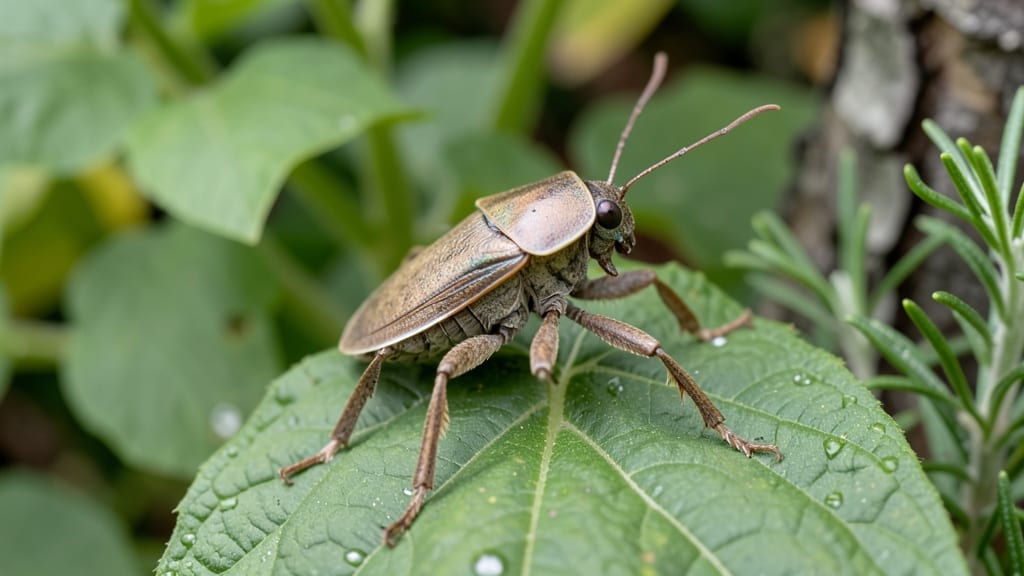
Leaf-footed bug predators are the unsung heroes of your garden—tiny allies that keep these sap-sucking pests in check without a single spray. 🌿 I’ve watched my tomato plants go from skeletonized to thriving just by inviting the right bugs to the party, and it starts with understanding who’s on your side.
The most effective hunters are parasitic wasps (like Trissolcus basalis), which lay eggs inside leaf-footed bug eggs, and ladybugs, which devour both nymphs and adults. Birds like great crested flycatchers also snack on them, but they’re picky—you’ll need to create the right habitat to attract them.
The key? Diverse plantings and water sources to keep these predators hanging around longer than the pests. Once you’ve got them visiting, neem oil becomes your backup plan—not to kill predators, but to disrupt the bugs’ life cycle when numbers get overwhelming.
A light spray in the evening (when beneficial insects are less active) can break their feeding cycle without harming your garden’s ecosystem. This isn’t just about saving your plants—it’s about rebuilding a balanced garden where nature does the work for you. Let’s turn your yard into a predator paradise.
Natural Predator Imbalances Explained
Leaf-footed bugs thrive when their natural predators are outnumbered, outmaneuvered, or disrupted by environmental or human factors. Understanding why these predators fail to keep populations in check is the first step to reclaiming balance in your garden or crops.
Below, we break down the key reasons these beneficial insects struggle—and how neem oil can help restore their dominance.
Predators like assassin bugs, spiders, and parasitic wasps rely on diverse, healthy ecosystems to hunt efficiently. When their habitats shrink—due to urbanization, monoculture farming, or pesticide overuse—they lose critical resources:
- Reduced shelter: Dense vegetation and leaf litter provide hiding spots for predators to ambush leaf-footed bugs. Clearing land or using bare-ground farming eliminates these "hunting grounds."
- Food scarcity: Many predators (e.g., Geocoris bugs) feed on pollen, nectar, or other insects. If flowering plants or alternative prey disappear, they starve or relocate.
- Isolation: Fragmented habitats prevent predator populations from migrating to infested areas, leaving bugs unchecked.
Actionable fix: Plant native flowering plants (e.g., dill, fennel, or alyssum) near crops to attract predators. Avoid broad-spectrum pesticides that kill beneficial insects indiscriminately.
Synthetic pesticides—even those labeled "organic"—often target both pests and predators. Leaf-footed bugs may die, but so do their natural enemies:
| Pesticide Type | Predators Affected | Impact on Leaf-Footed Bugs |
|---|---|---|
| Neonicotinoids | Parasitic wasps, lacewings, ladybugs | Short-term reduction, but bugs rebound without predators |
| Pyrethroids | Spiders, ground beetles, assassin bugs | Bugs survive due to resistance; predators don’t |
| Bt (Bacillus thuringiensis) | Minimal direct harm, but disrupts food webs | Indirect effect: fewer predators = more bugs over time |
Actionable fix: Replace harsh chemicals with neem oil, which disrupts leaf-footed bug life cycles without harming predators. Apply in the evening to avoid killing pollinators.
Leaf-footed bugs and their predators don’t always align in timing or resilience. Climate change and erratic weather throw off this delicate balance:
- Warmer winters: Bugs survive cold snaps while predators (e.g., Trichogramma wasps) may perish. This gives bugs a head start in spring.
- Drought stress: Predators like big-eyed bugs dry out faster than leaf-footed bugs, which can hide in plant tissues.
- Early blooms: If flowers appear too early, predators may emerge after bugs have already infested crops.
Actionable fix: Use neem oil as a preventive spray in late winter to weaken bug eggs/larvae before predators emerge. Pair with mulching to retain soil moisture for predator survival.
Some predators are more vulnerable to pathogens than leaf-footed bugs. For example:
- Fungal infections: Parasitic wasps (e.g., Telenomus spp.) can succumb to Beauveria bassiana, a fungus that rarely affects bugs.
- Viral outbreaks: Nuclear polyhedrosis virus (NPV) may decimate predator populations like lacewings, leaving bugs unchecked.
- Nematode attacks: Soil-dwelling predators (e.g., Hippodamia beetles) weaken when beneficial nematodes are outcompeted by harmful species.
Actionable fix: Boost predator health with neem oil’s immune-boosting properties. Apply early in the season to create a resilient ecosystem. Avoid overwatering, which promotes fungal growth.
💡 Pro Tip: Monitor predator populations weekly. If you see fewer spiders or wasps than usual, neem oil can be a selective tool—apply it targeted to bug hotspots (e.g., undersides of leaves) to minimize collateral damage.
Natural Ways to Outsmart Leaf-Footed Bugs
Leaf-footed bugs can be a nuisance, but the good news is that nature offers powerful, chemical-free solutions to keep them at bay. Whether you're dealing with an infestation in your garden, home, or crops, these targeted strategies will help you regain control—without harming beneficial predators or the environment.
---
Leaf-footed bugs thrive in cluttered, damp areas where they can lay eggs and shelter. Prevent their return by: - 🔥 Declutter your garden beds – Remove old mulch, weeds, and plant debris where bugs hide. - 🍳 Prune overgrown plants – Trim back dense foliage, especially near fruit trees and vegetable patches. - 👨🍳 Clean up fallen fruit – Overripe or damaged fruit attracts these pests—pick them up daily. - ⏰ Store firewood and woodpiles away – Bugs love nesting in stacked wood; keep it elevated and dry.
Pro Tip: 💡 Use diatomaceous earth (food-grade) around plant bases—it’s a natural, non-toxic barrier that dehydrates bugs on contact.
---
Early detection is key!
Set up simple traps to catch adults before they multiply: - 🥘 Yellow sticky traps – Place them near plants to catch flying adults. - 🔪 Pheromone traps – Commercial traps (like those for stink bugs) can lure and trap males before mating. - 🌡️ Regular inspections – Check the undersides of leaves, stems, and fruit for eggs (tiny, barrel-shaped clusters).
Pro Tip: ✨ Neem oil sprays (1-2% concentration) disrupt their life cycle—spray in evening to avoid harming bees.
---
Healthy plants resist pests better! Boost their defenses with: - 📊 Organic fertilizers – Compost or fish emulsion promotes strong growth. - 🥗 Companion planting – Marigolds, basil, and garlic repel leaf-footed bugs naturally. - 🍎 Avoid overwatering – Damp soil attracts bugs; water at the base in the morning.
Pro Tip: 🎯 Reflective mulch (like aluminum foil or silver plastic) confuses bugs and deters them from laying eggs.
---
When bugs are already present, act fast with these non-toxic but effective methods: - 🌿 Neem oil spray – Mix 1 tbsp neem oil + 1 tsp mild soap per gallon of water, spray directly on bugs and eggs (reapply every 5-7 days). - 🥘 Kaolin clay – Creates a protective film on leaves that bugs dislike (safe for edible plants). - 🔥 Beneficial predators – Introduce ladybugs, lacewings, or parasitic wasps (they hunt leaf-footed bugs naturally).
Pro Tip: 🔥 Handpick adults in the morning when they’re sluggish—drop them in soapy water.
--- - 🏠 Seal cracks in windows, doors, and foundations to block entry. - 🌳 Use fine mesh screens on vents and greenhouses. - 🍎 Store harvested fruit in sealed containers to prevent reinfestation.
By combining prevention, monitoring, and natural repellents, you’ll create an unwelcoming environment for leaf-footed bugs—without relying on harsh chemicals. Stay proactive, and your garden (or home) will stay pest-free!
Frequently asked questions
What are the most effective natural predators for leaf-footed bugs?
The top predators include parasitic wasps (like Trissolcus basalis), which lay eggs inside bug eggs, and ladybugs, which devour both nymphs and adults. Birds like great crested flycatchers also help, but they need diverse habitats with water sources to thrive.
How do I attract these predators to my garden?
Plant native flowering plants like dill, fennel, or alyssum to provide food for predators. Add water sources (like shallow dishes with pebbles) and leave some leaf litter for shelter. Avoid pesticides that harm beneficial insects.
Can neem oil harm these natural predators?
When applied correctly, neem oil is selective and won't kill predators. Use it in the evening to avoid harming bees, and target only infested areas. It disrupts bug life cycles without wiping out the ecosystem.
What should I do if I don't see any predators in my garden?
Start by reducing pesticides and creating predator-friendly habitats. Introduce beneficial insect packages (like lacewings or parasitic wasps) from garden centers. Monitor regularly and add more diverse plants to attract them naturally.
Are there any predators that work better in urban gardens?
In urban areas, spiders and assassin bugs are often the most effective. They thrive in diverse microhabitats like potted plants and garden edges. Plant herbs like basil or mint to attract these predators.