
Pests
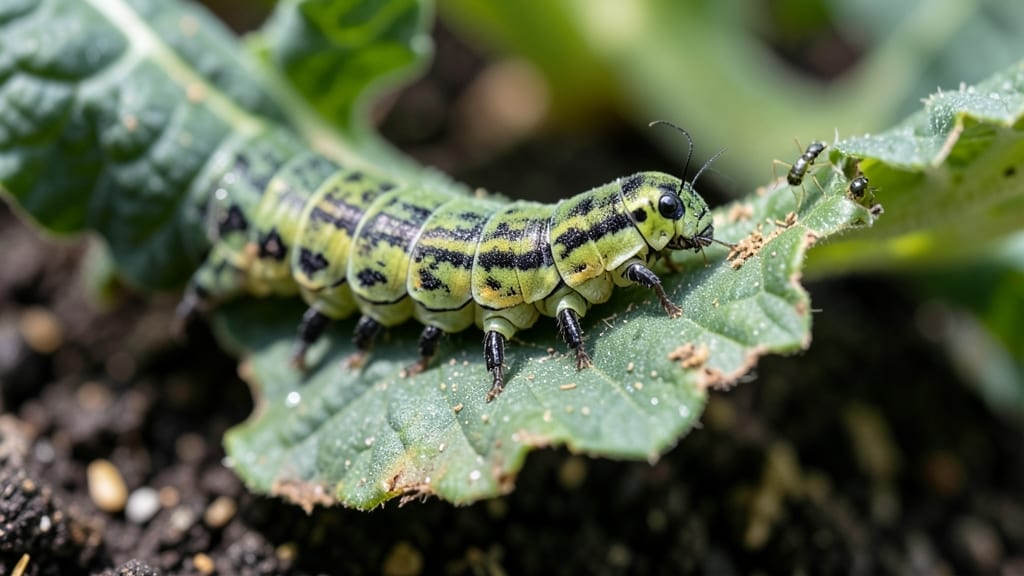
Leaf-eating insects can turn your thriving plants into skeleton leaves overnight—but natural barriers work better than chemicals. 🌱 I’ve lost entire rows of basil to ravenous caterpillars, only to discover that a simple row cover or neem oil spray saved my next crop.
The key isn’t eliminating pests entirely (that’s impossible), but outsmarting them with physical and biological defenses that keep your garden lush and healthy.
Most leaf munchers—like Japanese beetles, cabbage worms, or slugs—target plants when they’re stressed, overcrowded, or lacking natural predators. A strong, diverse garden ecosystem actually reduces damage, but you’ll still need quick fixes for outbreaks.
Think of it like a fortress: some barriers keep pests out entirely, while others lure them away from your prized plants. The best part? These methods work for vegetables, flowers, and even houseplants—no fancy gear required.
By the end, you’ll know exactly which barriers fit your garden’s biggest pests—whether it’s diatomaceous earth for slugs, row covers for beetles, or beneficial nematodes for grubs.
The payoff? Plants that stay green, productive, and pest-free without toxic sprays. No more wilted lettuce or chewed zucchini—just the satisfaction of a garden that fights back naturally.
We’ll cover prevention first (because stopping pests before they arrive is easiest), then dive into emergency fixes for when they strike. Works for any yard size—from balcony containers to full-size plots. Let’s get your plants back to thriving.
The Hidden Triggers Behind Plant Devastation
When your prized plants start looking like a salad bar for tiny, ravenous critters, it’s not just bad luck—it’s usually a mix of environmental cues, plant health, and insect behavior. Understanding why leaf-eating pests target your garden is the first step to stopping them.
Below, we break down the key reasons these insects show up uninvited—and how they decide your plants are their next meal.
Healthy plants produce natural deterrents like tannins, resins, and bitter compounds that make them less appealing to pests. But when plants are stressed—from drought, poor soil, or over-fertilization—they weaken these defenses, sending out chemical signals that attract hungry insects. Think of it like a "Help Wanted" sign for leaf munchers.
- Drought stress: Dry soil reduces chlorophyll production, making leaves less nutritious but more attractive to pests like aphids and beetles.
- Nutrient deficiencies: Plants low in nitrogen (a key protein source) may overcompensate by producing softer, more digestible leaves.
- Overwatering: Soggy roots create ideal conditions for soft-bodied insects (e.g., slugs, caterpillars) that thrive in damp environments.
💡 Pro Tip: Test your soil’s pH and nutrient levels—aim for a balanced NPK (nitrogen, phosphorus, potassium) ratio. A simple soil test kit (or lab analysis) can reveal deficiencies before pests do.
Insects follow the scent trails of damaged plants. When your garden is packed with susceptible species (like young seedlings or tender herbs), pests get a free-for-all feast. Overcrowding also reduces airflow, creating humid microclimates that caterpillars, slugs, and beetles love.
- Monoculture plantings: Growing the same plant in large patches (e.g., a vegetable row of basil) signals insects, "All you can eat!"
- Lack of biodiversity: Predatory insects (like ladybugs or lacewings) need a mix of plants to survive. Without them, herbivores run rampant.
- Weedy areas: Dandelions, clover, and other "weeds" often serve as nurse plants—they harbor pests that later migrate to your prized crops.
🌡️ Action Step: Space plants 12–24 inches apart (check seed packets for guidelines) and interplant with repellent herbs like basil, mint, or marigolds to disrupt pest trails.
Leaf-eating insects don’t strike randomly—they respond to temperature, humidity, and daylight like a biological calendar. For example:
| Pest Type | Trigger Conditions | Peak Activity |
|---|---|---|
| Caterpillars (e.g., tomato hornworms) | Warm nights (above 60°F), high humidity | Late spring to early fall |
| Japanese beetles | Dry, sunny weather (they seek water-rich leaves) | June–August |
| Aphids | Cool nights, warm days (they thrive in new growth) | Spring and fall |
| Slugs & snails | Rainy or dew-heavy mornings (they need moisture) | Year-round (worst after rain) |
✨ Smart Strategy: Monitor your local degree-day accumulations (a tool gardeners use to predict pest outbreaks). Many extension services offer free alerts for your region.
When leaves are damaged—even by wind or hail—they release volatile organic compounds (VOCs) like methyl salicylate (the same compound in aspirin!). These chemicals attract pests because they mimic the scent of a struggling plant. It’s like a dinner bell for insects.
- Physical damage: Hail, lawnmower cuts, or even pruning wounds can trigger this response.
- Fungal/bacterial infections: Spots or wilting leaves emit distress signals that pests home in on.
- Pollution or smog: Urban gardens often see higher pest activity because air pollution weakens plant defenses.
🔥 Prevention Tip: Inspect plants weekly for early signs of stress (yellowing, spots, or chewed edges) and treat issues immediately with organic sprays like neem oil or insecticidal soap.
Stop Chewed Leaves Naturally
When your plants become a buffet for leaf-munching pests, it’s time to act fast—but you don’t need harsh chemicals to win the battle. 🌿🛡️ The key is prevention, early intervention, and smart barriers that deter pests while keeping your garden thriving.
Below, we break down the most common causes of leaf damage and the practical, eco-friendly fixes that actually work.
---
Fix: Physical Barriers & Traps
1. Row Covers & Mesh Netting 🛡️ - How it works: Lightweight fabric (like floating row covers) blocks pests while allowing sunlight, water, and airflow to reach plants. - Best for: Cabbage worms, aphids, and slugs. - Pro tip: Secure edges with soil or weights to prevent gaps. For slugs, add a copper tape barrier around pots—it gives them a mild electric shock they hate! ⚡
2. DIY Collar Traps for Caterpillars 🍳 - How it works: Cut a plastic bottle in half, invert the top, and place it over young plants. Pests crawl in but can’t escape. - Best for: Tomato hornworms, cabbage loopers. - Pro tip: Add a soapy water mix inside to drown them overnight. 💦
3. Beer Traps for Slugs & Snails 🍺 - How it works: Bury a shallow dish filled with beer near plants. The scent lures them in, and they drown. - Best for: Nighttime slug attacks. - Pro tip: Refresh the beer every 2–3 days for maximum effectiveness.
---
Fix: Repellent Sprays & Hand-Picking
1. Neem Oil Spray 🌿 - How it works: Mix 1 tsp neem oil + 1 tsp mild soap + 1 quart water, spray on leaves (especially undersides where eggs hide). - Best for: Japanese beetles, flea beetles, and mites. - Pro tip: Apply early morning or late evening to avoid harming bees. 🐝 Reapply every 5–7 days.
2. Hand-Picking + Drowning 👨🍳 - How it works: Drop beetles into soapy water (not just plain water—they’ll just swim away!). - Best for: Japanese beetles (they’re slow and easy to spot). - Pro tip: Do this early in the day when they’re sluggish. Wear gloves if you’re squeamish! 🧤
3. Kaolin Clay Barrier 🏗️ - How it works: Sprinkle food-grade kaolin clay (like Surround WP) on leaves. It coats pests, blocking their ability to feed. - Best for: Japanese beetles, flea beetles. - Pro tip: Reapply after rain. It’s safe for edible plants but may make leaves look dusty—rinse before eating. 🥗
---
Fix: Soil Treatments & Plant Protection
1. Diatomaceous Earth (DE) Ring ⏰ - How it works: Create a 1-inch-wide ring of food-grade DE around plant bases. It’s harmless to plants but dehydrates soft-bodied larvae. - Best for: Cutworms, grubs. - Pro tip: Reapply after watering—DE loses potency when wet. 💧
2. Beneficial Nematodes 🐛 - How it works: These microscopic worms (Phasmarhabditis hermaphrodita) hunt grubs in the soil. Mix with water and apply to moist soil. - Best for: Grubs, cutworms, root maggots. - Pro tip: Water soil 1–2 days before and after application for best results. 🌧️
3. Collar Barriers for Young Plants 🛡️ - How it works: Wrap the base of seedlings with cardboard or aluminum foil (cut to fit). Pests can’t chew through it. - Best for: Cutworms attacking seedlings. - Pro tip: Remove collars once plants are 2–3 inches tall and pests are less active.
---
- 💡 Plant Diversity: Interplant strong-smelling herbs (basil, mint, marigolds) to repel pests naturally. - 🌡️ Water Wisely: Avoid overhead watering—wet leaves attract slugs and fungal diseases.
Water at the base instead. 💦 - ✨ Companion Planting: Pair vulnerable plants with pest-repelling buddies: - Tomatoes + Basil (deters whiteflies) - Carrots + Leeks (confuses carrot flies) - 🎯 Regular Scouting: Check leaf undersides and soil weekly for eggs or early signs of damage.
--- Final Note: The best defense is a combination of barriers, traps, and prevention. Start with one or two methods, monitor progress, and adjust as needed. With patience, your plants will bounce back—and those leaf-eaters won’t stand a chance! 🚫🐜
Frequently asked questions about leaf-eating insects
What are the most destructive leaf-eating insects in gardens?
The worst offenders include Japanese beetles, tomato hornworms, cabbage loopers, slugs, and aphids. These pests can defoliate plants in days if left unchecked. Japanese beetles target over 300 plant species, while hornworms can strip a tomato plant bare overnight.
How do I tell if leaf damage is from insects vs. disease?
Insect damage has irregular, jagged edges and often includes frass (chewed leaf debris) or tiny holes. Disease damage is usually uniform (like spots or yellowing) and may include mold or powdery substances. Check leaf undersides for eggs or tiny pests to confirm.
Can I use coffee grounds to repel leaf-eating insects?
Yes! Sprinkle used coffee grounds around plant bases—the caffeine acts as a natural deterrent for slugs, snails, and some beetles. For stronger protection, mix with eggshells or diatomaceous earth. Just avoid overapplying, as too much can alter soil pH over time.
What’s the fastest way to stop a slug attack overnight?
Set out shallow dishes of beer near plants—slugs are drawn to the yeast and drown within hours. For immediate protection, create a copper tape barrier around pots (slugs hate the electric shock). Refresh beer traps every 2-3 days for best results.
Will neem oil harm beneficial insects like bees or ladybugs?
Neem oil is least toxic to bees when applied at dusk or dawn (avoid blooming plants during daylight). Ladybugs and lacewings are also resilient, but always test a small area first. For extra safety, use kaolin clay instead—it repels pests without harming pollinators.