
Leaf Blower
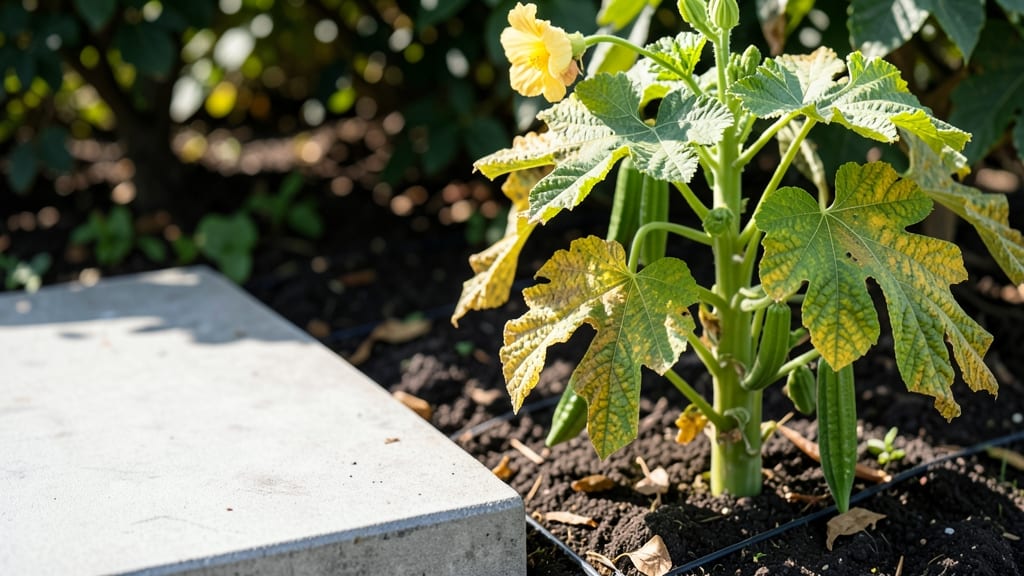
Your okra plants are screaming for help when those leaves start curling—this is the organic fix you need. 🌿 Leaf curl in okra isn’t just unsightly; it signals serious trouble like okra mosaic virus, hungry pests, or hidden nutrient starvation.
The good news? You can stop it in its tracks with these three proven steps that work without harsh chemicals.
First, diagnose the real culprit: check the undersides of leaves for aphids or spider mites, then inspect the stems for strange discoloration. Most gardeners overlook the soil—low nitrogen or uneven moisture can trigger curl just as easily as pests.
I’ve seen okra bounce back completely after a simple soil boost and targeted pest control, so don’t assume it’s a lost cause.
By the time you spot the curl, your plants might already be stressed—but that doesn’t mean they’re doomed. Prune the worst-affected leaves immediately, then treat with neem oil for pests or a balanced organic fertilizer to reset their health.
Within 7-10 days, you’ll see new growth pushing through, and those pods will start filling out again.
Prevention is where the real magic happens: rotate crops yearly, keep your garden clean of debris, and introduce beneficial insects like ladybugs to patrol for pests. This isn’t just about saving this season’s okra—it’s about building a system where your plants stay strong year after year.
Let’s get those leaves flat and happy again.
Understanding The Root Causes
Leaf curl in okra isn’t just a random quirk of nature—it’s your plants’ way of signaling distress. Whether it’s a viral attack, a fungal ambush, or environmental stress, each cause has a distinct fingerprint.
Let’s break down the science behind why your okra’s leaves might be curling like a bad hair day.
Okra leaf curl is often caused by gemini viruses, tiny pathogens that hijack plant cells and disrupt normal growth.
The most notorious culprits are: - Okra leaf curl virus (OLCV) – Spreads via infected sap or whiteflies. - Tomato yellow leaf curl virus (TYLCV) – A close relative that jumps between crops.
How it works: These viruses insert their DNA into okra cells, triggering abnormal protein production. The plant responds by curling leaves to conserve water and energy, but this is a desperate survival tactic—not a healthy fix.
Red flags: Stunted growth, yellowing veins, and a puckered, upward leaf curl (like a crumpled paper bag).
Fungi like Alternaria or Cercospora thrive in damp conditions and cause leaf curl by:
- Clogging stomata (leaf pores) with fungal spores, restricting gas exchange.
- Releasing toxins that warp cell structure, forcing leaves to curl inward.
How it works: Fungal hyphae (thread-like roots) penetrate leaf tissues, triggering a hypersensitive response—the plant’s immune system overreacts, causing curling and necrosis (brown, dead patches).
Red flags: Dark spots on curled leaves, a velvety fungal growth on undersides, or leaf edges drying out.
Okra is tough, but extreme conditions can still trigger curling:
- Heat stress – Temperatures above 95°F (35°C) disrupt photosynthesis, causing leaves to curl to reduce water loss.
- Water imbalance – Overwatering suffocates roots (leading to oxygen deprivation), while drought forces leaves to curl into a protective "rosette."
- Nutrient deficiencies – Low potassium or magnesium weakens cell walls, making leaves floppy and curled.
How it works:
- Heat: Proteins denature, stomata close prematurely.
- Water: Root pressure drops, turgor (cell rigidity) collapses.
- Nutrients: Enzymes fail to regulate cell expansion.
Red flags:
- Heat curl: Leaves feel leathery and silvery under direct sun.
- Water stress: Wilting even when soil is moist (overwatering) or crispy edges (drought).
- Nutrient curl: Yellowing between veins (chlorosis) or purple stems (phosphorus deficiency).
Sap-sucking pests like whiteflies, aphids, or spider mites don’t just drain nutrients—they inject toxins as they feed. Their saliva contains phytotoxins that:
- Disrupt auxin (a growth hormone), causing distorted, curled leaves.
- Spread viral diseases (e.g., whiteflies transmit gemini viruses).
How it works:
- Pests pierce cells with their mouthparts.
- Toxins trigger abscisic acid (a stress hormone), prompting curling.
- Heavy infestations lead to sticky honeydew and sooty mold (a black fungal film).
Red flags:
- Sticky residue on leaves.
- Tiny pests clustering on undersides.
- Silvery-white webbing (spider mites).
Compacted or poorly drained soil restricts root growth, leading to:
- Root rot (from overwatering or clay soil).
- Anaerobic conditions (lack of oxygen), which starve roots of energy.
How it works:
- Roots can’t absorb water/nutrients efficiently.
- The plant starves, triggering a survival curl to minimize water loss.
Red flags:
- Mushy, black roots when pulled from soil.
- Slow growth despite regular watering.
- Puddles lingering after rain (poor drainage).
Over-application of herbicides, fungicides, or even homemade sprays (like vinegar or dish soap) can damage leaf cuticles, causing:
- Cell membrane breakdown, leading to curling.
- Oxidative stress from harsh chemicals.
How it works:
- Chemicals disrupt cutin (the waxy leaf coating), increasing water loss.
- Cells plump and shrink unevenly, warping the leaf.
Red flags:
- Brown, crispy edges (like a burned leaf).
- Blotchy yellow patches (necrosis).
- Curling within 24–48 hours of spraying.
How to Fix Leaf Curl in Okra
Okra leaf curl isn’t just an eyesore—it can stunt your harvest if left unchecked. The good news? With targeted fixes, you can restore your plants and prevent future outbreaks.
Below, we’ve mapped out practical solutions based on the most common causes, from quick fixes to long-term prevention. Let’s get your okra back to thriving!
If your okra is battling okra leaf curl virus (OLCV), act fast to stop the spread.
Step 1: Isolate & Destroy Infected Plants
🔥 Pull and burn any plants showing severe curling, yellowing, or stunted growth. Do not compost them—viruses can linger in organic matter. 👨🍳 Wear gloves to avoid spreading sap to healthy plants.
Step 2: Sterilize Tools & Soil
🧼 Clean pruners and gardening tools with a 10% bleach solution (1 part bleach to 9 parts water) or 70% rubbing alcohol between uses. ✨ Disinfect the soil where infected plants grew by applying copper fungicide or neem oil spray (follow label rates).
Solarization (covering soil with clear plastic for 4–6 weeks) can also kill viruses.
Step 3: Boost Plant Resilience
💪 Strengthen remaining plants with a balanced organic fertilizer (like fish emulsion or compost tea) to help them fight off stress. 🌡️ Monitor temperatures: Viruses thrive in warm weather—provide shade cloth during peak heat if possible.
If the curl is caused by fungal or bacterial infections, copper-based treatments are your best bet.
Step 1: Prune Affected Leaves
🔪 Trim curled or spotted leaves with clean shears, focusing on the outermost growth to improve airflow. 🌿 Avoid over-pruning—remove only 20–30% of foliage to prevent stressing the plant.
Step 2: Apply Copper Fungicide
🛡️ Spray plants with a copper fungicide (like Bordeaux mixture or copper sulfate) every 7–10 days until symptoms fade. Follow label instructions—copper can burn plants if overused. 💡 Pro tip: For organic gardens, neem oil or baking soda spray (1 tbsp baking soda + 1 quart water + a drop of dish soap) can help as a preventive measure.
Step 3: Improve Drainage & Spacing
🌧️ Fix soggy soil by amending with compost or perlite to prevent waterlogging. 📏 Space plants 18–24 inches apart to reduce humidity and fungal spread.
If leaf curl is due to extreme heat, drought, or poor nutrition, your okra just needs a little TLC.
Step 1: Provide Shade & Hydration
💦 Water deeply in the early morning or late evening to avoid evaporation. Okra needs 1–2 inches of water per week. 🌞 Use shade cloth (30–50%) if temperatures exceed 90°F (32°C) for prolonged periods.
Step 2: Adjust Fertilizer for Balance
🥗 Test soil pH—okra prefers 6.0–6.8. Amend with lime (to raise pH) or sulfur (to lower pH) if needed. 🍎 Feed with potassium-rich fertilizer (like banana peel tea or greensand) to help plants handle heat stress.
Step 3: Mulch to Retain Moisture
🌿 Apply 2–3 inches of organic mulch (straw, grass clippings, or wood chips) to keep roots cool and soil moist.
Stop leaf curl before it starts with these easy, long-term strategies:
✅ Choose resistant varieties: Opt for okra varieties like ‘Clemson Spineless’ or ‘Emerald’, which are bred for disease resistance. 🌱 Rotate crops: Avoid planting okra (or other mallow family plants) in the same spot for 3–4 years to break virus cycles. 🐝 Encourage beneficial insects: Ladybugs, lacewings, and parasitic wasps prey on pests that spread viruses.
Plant marigolds or dill nearby to attract them. 🌡️ Monitor weather patterns: If your area has hot, humid summers, plan to harvest okra early before viruses peak. 🧼 Start with disease-free seeds: Buy seeds from reputable suppliers or grow from certified organic stock.
If leaf curl persists despite your efforts, consider:
- Consulting a local agricultural extension office for soil testing or pest ID.
- Switching to container gardening if soil-borne issues are severe (use fresh, sterile potting mix).
- Planting trap crops (like sunflowers) to divert pests away from okra.
With the right approach, your okra can bounce back—and even thrive—after leaf curl. Act fast for viral cases, but don’t overlook the basics like water and nutrients for stress-related curls. Happy gardening! 🌿🍆
Frequently asked questions
Why do okra leaves curl upward instead of downward?
Upward curling usually signals viral infections like okra leaf curl virus (OLCV) or tomato yellow leaf curl virus. These viruses disrupt plant hormones, causing leaves to pucker upward like a crumpled paper bag. Downward curling often happens with fungal issues or nutrient deficiencies instead.
Can I still harvest okra if the leaves are curling?
Yes, but focus on young pods (under 3 inches) from healthy-looking plants. Mature pods from affected plants may have reduced quality. Prune curled leaves immediately to redirect energy to pod production. Avoid harvesting from plants with severe viral symptoms.
What's the fastest way to tell if pests are causing leaf curl?
Flip the leaves! Look for tiny whiteflies, aphids, or spider mites on undersides. Check for sticky honeydew (sap residue) or silvery webbing—these are dead giveaways. Pests inject toxins that warp leaves within 3-5 days of infestation.
Will homemade neem oil spray work for viral leaf curl?
Neem oil won't cure viral infections, but it can prevent secondary pest outbreaks that worsen symptoms. For viral cases, focus on removing infected plants and sterilizing tools. Neem works best as a preventive spray (1 tbsp neem oil + 1 tsp dish soap per gallon of water) applied every 7-10 days.
How long does it take to see improvement after treatment?
For fungal/bacterial issues, you may see new growth in 7-10 days with copper treatments. Viral cases are permanent—only new growth will be healthy. Environmental stress (heat/drought) shows improvement within 3-5 days of proper watering and mulching. Patience is key!