
Pests
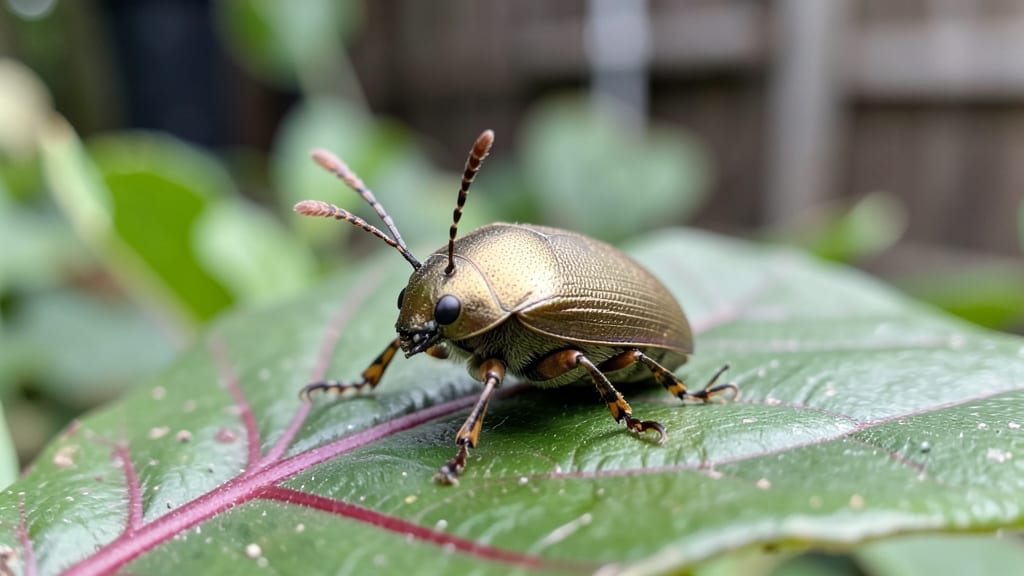
Those skeletonized leaves mean leaf beetle control is your top priority—and these organic barriers stop them fast. 🌿 I’ve watched Colorado potato beetles strip entire tomato plants in days, but the right physical barriers and natural predators can turn the tide within 24-48 hours of setup.
The key is acting before larvae hatch into ravenous adults. You’ll need lightweight row covers, fine mesh netting, or even DIY collars made from cardboard tubes—simple supplies that create a fortress against beetles.
Companion plants like marigolds and nasturtiums also distract them, while beneficial insects like ladybugs and lacewings arrive naturally when you reduce chemical sprays. Within a week, your plants will rebound with fresh growth, and the beetle population crashes. The best part? These methods work without harming pollinators or your soil.
Just remember: check traps daily and replace barriers if they tear. This approach scales from container gardens to full-size plots—no matter how bad the infestation looks now, you can reclaim your plants in under a week. Let’s get started with the step-by-step plan!
📚 In This Guide
- What you need
- Instructions
- Tips and common mistakes
- Wrapping up and next steps
What you need
- ● Diatomaceous earth (food-grade): 1–2 lbs (0.5–1 kg) – fine, powdery texture
- ● Neem oil (organic): 16 oz (473 mL) – look for 100% cold-pressed
- ● Insecticidal soap: 16 oz (473 mL) – ensure it’s plant-safe (e.g., Safer®)
- ○ Horticultural oil (optional but helpful): 16 oz (473 mL) – for smothering eggs/larvae
- ● Spray bottle (16–32 oz): 1–2 – with a fine mist nozzle
- ● Gloves (nitrile or rubber): 1 pair – to protect hands from oils/powders
- ● Fine mesh or cheesecloth: 1 roll – for DIY barriers (e.g., wrapping tree trunks)
- ● Sticky traps (yellow or blue): 4–6 – to monitor beetle activity
- ● Garden hose with nozzle: 1 – for rinsing plants after treatment
- ● Garden trowel or putty knife: 1 – for applying diatomaceous earth to crevices
- ● Measuring cups/spoons: 1 set – for precise oil/soap mixing
- ● Weather forecast check: – apply treatments on dry, calm days (avoid rain for 24+ hours)
- ● Pet/child safety plan: – keep treated areas inaccessible for 24 hours
- ● Test first! Spray a small leaf area with your mix to check for plant sensitivity.
- ● Layer defenses: Combine diatomaceous earth (physical barrier) + neem oil (repellent) for best results.
- ● Reapply often: Treatments work best when reapplied every 5–7 days or after rain.
Step-by-Step instructions for organic leaf beetle barrier methods
Here's how I stop leaf beetles dead in their tracks—without chemicals—using simple, fast-acting barriers.
🌿 Step 1: Inspect and Clear Infested Areas
Start by examining your plants for signs of leaf beetle activity: skeletonized leaves, chewed edges, or small black adults on foliage. I grab a magnifying glass to spot the tiny eggs laid on the undersides of leaves—those hatch into hungry larvae within days. Remove all heavily damaged leaves immediately and drop them into a sealed plastic bag for disposal.
Focus on the most vulnerable plants first—young seedlings or stressed plants attract beetles like a buffet. I always check the soil surface too; beetles love to hide there during the day. Use a stiff brush to dislodge any hiding adults into soapy water before they can reinfest.
🪴 Step 2: Apply Physical Barriers to Protect Plants
For container plants, I wrap the pot rims with fine mesh fabric (like tulle or hardware cloth) secured with twist ties. This prevents adult beetles from crawling onto leaves while still allowing light and air through. For in-ground plants, I create a 12-inch wide collar around the base using cardboard tubes (like paper towel rolls) buried 2 inches deep—beetles can't climb the smooth surface.
Here's the thing—don't use plastic wrap. It traps moisture and encourages fungal growth. Instead, I use breathable materials that still block beetles. For larger plants, I drape lightweight row covers over the entire plant, securing edges with rocks or staples. Check daily for trapped beetles and remove them immediately.
✂️ Step 3: Create a Natural Moat Around Plants
Dig a 1-inch deep trench around each plant, about 6 inches from the stem. Fill it with diatomaceous earth (food-grade only) mixed with a little water to create a paste. The sharp edges of the fossilized algae cut beetles' exoskeletons as they cross. Reapply every 3-5 days after rain or watering, since it loses effectiveness when wet.
For a longer-lasting barrier, I mix 1 part horticultural sand with 1 part food-grade diatomaceous earth and spread it in a 4-inch wide band around the plant base. This creates a physical and chemical barrier that deters beetles while allowing beneficial insects like ladybugs to pass through.
☀️ Step 4: Set Up Traps to Monitor and Reduce Populations
Place yellow sticky traps (available at garden centers) near infested areas—leaf beetles are attracted to yellow and get stuck trying to land. I position one trap per 100 square feet and check them every 2-3 days, replacing when covered in insects. This not only reduces the beetle population but also gives you an early warning system for new infestations.
For a more organic approach, I set up beer traps using small containers filled with beer mixed with water (1:1 ratio). Bury the containers so the rim is level with the soil—beetles are drawn to the yeast and drown. Refresh the mixture every 4-5 days for maximum effectiveness. This method works best in early morning when beetles are most active.
💧 Step 5: Maintain Barriers and Monitor for Success
Check your barriers daily for the first week, then every other day once you see a reduction in beetle activity. Look for fresh damage—if you spot new holes, reinforce weak points in your barriers. I keep a small notebook nearby to track which methods work best for my specific plants; some varieties attract beetles more than others.
After 10-14 days of consistent barrier use, you should see a noticeable decrease in chewed leaves and adult beetles. If not, rotate your methods—sometimes beetles adapt to one type of barrier. The key is persistence; I've found that combining physical barriers with traps gives the fastest results while keeping your garden chemical-free.
Tips & tricks for effective organic leaf beetle control
These targeted strategies will help you implement your barrier system more efficiently and troubleshoot common challenges before they become problems.
Timing is Everything: The first week is critical—leaf beetles are most active during early morning and late afternoon, so focus your inspections and barrier maintenance during these windows. I've found that beetles are easiest to spot and remove when they're sluggish from cooler temperatures, making your daily checks in Step 5 far more effective. The 10-14 day timeline in Step 5 isn't arbitrary; it accounts for the beetle's life cycle and gives the barriers time to create an effective perimeter.
Barrier Material Selection: When choosing your fine mesh fabric in Step 2, opt for materials with a mesh size of no larger than 1/8 inch—this blocks even the smallest beetle larvae while still allowing air and light through. For the cardboard tubes, select sturdy options like those from paper towel rolls; they're rigid enough to resist beetle chewing attempts. Pro tip: Pre-cut your materials before installation to save time during the critical setup phase when beetles are most active.
Application Technique: For the diatomaceous earth moat in Step 3, create a slightly wider trench (about 5 inches from the stem) than specified if your plants are particularly susceptible to beetle pressure. The extra width gives you more surface area for the barrier to work effectively. When applying the sand-diatomaceous earth mix, use a small shovel to create a gentle slope away from the plant stem—this prevents water from pooling against the base during irrigation.
Troubleshooting Common Issues: If you notice beetles bypassing your barriers, check for gaps in your physical barriers (Step 2) or uneven application of the diatomaceous earth (Step 3). For container plants, ensure the mesh fabric is tightly secured with twist ties—beetles can slip through loose weaves. In Step 4, if your beer traps aren't catching many beetles, try adding a few drops of dish soap to increase surface tension and make it harder for beetles to escape once they fall in.
Pro Tips for Leaf Beetle Control
- These targeted strategies will help you implement your barrier system more efficiently and troubleshoot common challenges before they become problems.
- Timing is Everything: The first week is critical—leaf beetles are most active during early morning and late afternoon, so focus your inspections and barrier maintenance during these windows.
- For the cardboard tubes, select sturdy options like those from paper towel rolls; they're rigid enough to resist beetle chewing attempts.
Frequently asked questions
Got questions about keeping leaf beetles at bay?
Here are some of the most common concerns—and practical answers—to help you tackle these pests like a pro.
What’s the best time of day to apply organic barriers for leaf beetle control?
Apply barriers early in the morning or late afternoon when temperatures are cooler. This reduces evaporation and ensures the solution sticks better to plants. Avoid midday heat, which can break down natural repellents like neem oil or kaolin clay faster.
How long do organic barriers (like diatomaceous earth or neem oil) last before reapplication?
Most organic barriers need reapplication every 1–2 weeks or after heavy rain. Diatomaceous earth loses effectiveness when wet, while neem oil may degrade faster in direct sunlight. Check your plants every few days to spot signs of wear or pest return.
Are there any plants that naturally repel leaf beetles without extra barriers?
Yes! Planting marigolds, basil, or strong-scented herbs like mint or rosemary nearby can deter leaf beetles. These act as natural deterrents, though combining them with physical barriers (like row covers) works even better for heavy infestations.
What should I do if leaf beetles keep coming back after treatment?
If beetles persist, rotate your methods. Try alternating neem oil with insecticidal soap or switch to a physical barrier like floating row covers. Also, check for hidden eggs on the undersides of leaves and remove them manually for a cleaner start.
Will rain wash away my organic leaf beetle barriers?
Rain can reduce effectiveness, but most barriers (like kaolin clay or horticultural oil) are rain-resistant once dry. Reapply after heavy downpours. For extra protection, use a light spray of the barrier solution after rain to restore the shield.
Still stumped? Drop your specific situation in the comments—we’re happy to help tailor a solution!
Wrapping up and next steps
Controlling leaf beetles organically doesn’t have to be a guessing game—with the right barrier methods, you can protect your plants fast and effectively! 🌿 From neem oil sprays to reflective mulches, these natural solutions are gentle on the environment and tough on pests. Start small, stay consistent, and watch your garden thrive without harsh chemicals.
Ready to take action? Pick one method from this guide and give it a try this weekend—your plants will thank you! For extra peace of mind, check local pest reports to tailor your approach. Happy gardening!