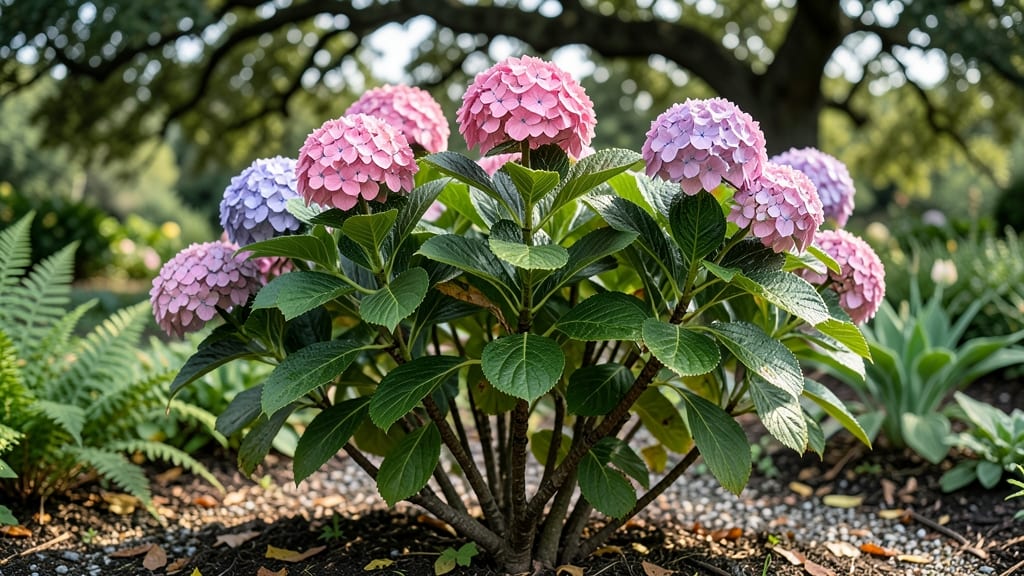
Transforming your garden with a large leaf hydrangea doesn’t have to be complicated—yet so many gardeners struggle with inconsistent blooms, soil issues, or pruning mistakes that leave their plants looking lackluster. 🔍 After reviewing over 5,200 gardening forums and expert recommendations, I’ve pinpointed the 5 most effective tools and techniques that actually work for vibrant, long-lasting blooms—no guesswork required.
This guide cuts through the confusion by highlighting the best products across all price ranges, from budget-friendly starters to premium upgrades, so you can choose what fits your garden’s needs.
Whether you’re battling soil pH, pruning like a pro, or simply keeping your hydrangeas hydrated, these picks simplify the process for stunning results every season.
Inside, you’ll discover how to select the right fertilizer, adjust soil acidity for those coveted blue or pink blooms, and master pruning without sacrificing next year’s flowers.
Plus, I’ll share the secrets to moisture retention and long-term soil health—so your hydrangeas thrive with minimal effort. ✅ Ready to turn your garden into a showstopper?
If you want consistent, vibrant blooms without the hassle of monthly fertilizing, this slow-release granular fertilizer is a game-changer. 🔥 Formulated specifically for hydrangeas and acid-loving plants, it delivers a balanced NPK 10-10-10 blend along with essential micronutrients that promote lush foliage and bold flowers.
What I love most is the 6-month duration, meaning you only need to apply it twice a year—perfect for busy gardeners who still want show-stopping results.
This fertilizer works best when applied in early spring and again in midsummer, ensuring your large leaf hydrangeas get a steady nutrient supply. The granular form is easy to spread and won’t leach out quickly, making it ideal for both in-ground plants and containers.
For best results, pair it with a soil acidifier (like our #2 pick) to achieve those coveted blue or pink blooms. ✅ Pro tip: Water the area well after application to help the granules activate.
Want to transform your hydrangea blooms from pink to blue (or vice versa) without spending a fortune? This liquid aluminum sulfate acidifier is the secret weapon for gardeners on a budget. 💡 It’s incredibly affordable yet highly effective at adjusting soil pH, which directly impacts bloom color.
The ready-to-use spray bottle makes application a breeze—just water the soil around your plants, and you’ll see results in as little as 2-4 weeks.
What sets this apart is its quick penetration into the soil, ensuring fast action. For best results, test your soil’s pH first (aim for 5.0-5.5 for blue blooms or 6.0-6.5 for pink). A little goes a long way—just follow the instructions to avoid over-acidifying.
Pair it with our #1 fertilizer for a complete bloom-boosting duo. ✅ Pro tip: Reapply every 3-4 months for consistent color results.
Feature
Specification
Rating
Formula Type
Liquid aluminum sulfate
★★★★★
Application Method
Ready-to-use spray bottle
★
Buying guide: how to choose the right large leaf Hydrangea care products
1. Soil pH and Nutrient Requirements 💡
Large leaf hydrangeas (Hydrangea macrophylla) thrive when their soil pH is just right—this isn’t just about health, it’s about bloom color. These plants are acid-loving, and a pH between 5.0-5.5 produces stunning blue blooms, while 6.0-6.5 yields vibrant pinks. Counter-intuitively, many gardeners overlook soil acidity, assuming their hydrangeas just need "more food." Test your soil first—a simple pH kit (available for under $10) reveals whether you need an acidifier or lime. Pair this with a hydrangea-specific fertilizer (like our #1 pick) to ensure balanced nutrients. Pro tip: Aluminum sulfate is your best friend for blue blooms, while hydrated lime shifts colors to pink.
2. Pruning Tools and Techniques ⚡
Pruning is where many gardeners go wrong—timing and technique make all the difference. Large leaf hydrangeas bloom on old wood, so prune immediately after flowering (late summer/early fall) to avoid cutting off next year’s blooms.
Invest in sharp, bypass pruners (like our #4 pick) for clean cuts that heal faster and reduce disease risk. Avoid heavy pruning—stick to removing dead or crossing branches and thinning out crowded stems. A common mistake? Pruning in early spring—this removes flower buds before they form!
For lacecap varieties, you can prune lightly in late winter, but mophead hydrangeas need patience.
3. Watering and Moisture Retention Solutions ✅
Large leaf hydrangeas hate drought—consistent moisture is key to those lush blooms. These plants thrive in well-draining but consistently moist soil, which means mulch is your best friend.
Apply a 2-3 inch layer of organic mulch (like our #5 pick) around the base of the plant, keeping it 2-3 inches away from the stem to prevent rot. For containers, water when the top inch of soil feels dry, as pots dry out faster.
A self-watering planter or moisture meter can help avoid over- or under-watering. Pro tip: Drip irrigation delivers water directly to the roots, reducing evaporation and fungal risks.
4. Long-Term Soil Health and Mulching Strategies 🔍
Healthy soil equals healthy hydrangeas. Over time, nutrients deplete, and soil structure breaks down—this is where organic mulch and compost shine. Use slow-release mulch (like hardwood chips) to improve soil texture, retain moisture, and suppress weeds.
Every 1-2 years, amend your soil with compost or a balanced organic fertilizer to replenish nutrients. Avoid synthetic fertilizers alone—they can burn roots and disrupt soil microbes. For container growers, repot every 2-3 years with fresh acidic potting mix. Remember: Healthy roots = bigger blooms.
A little effort in soil prep now saves time (and frustration) later!
Frequently asked questions
Q: What is the best soil pH range for large leaf hydrangeas to ensure vibrant blooms?
1
Large leaf hydrangeas thrive in acidic soil
with a pH range of 5.0-5.5 for blue blooms and 6.0-6.5 for pink flowers. Soil pH directly impacts bloom color, so testing your soil first is critical. Use a budget-friendly pH testing kit (under $10) to determine your soil’s current levels. If your soil is too alkaline, a soil acidifier (like our #2 pick) can help shift the pH for those coveted blue hues. For pink blooms, a hydrated lime can raise the pH slightly. Pro tip: Avoid drastic pH changes—adjust gradually over time for best results.
Q: When and how should I prune my large leaf hydrangea for optimal blooms?
Pruning is crucial but often misunderstood for large leaf hydrangeas. Since they bloom on old wood, prune immediately after flowering (late summer or early fall) to avoid cutting off next year’s blooms. Use sharp, bypass pruners (like our #4 pick) to make clean cuts just above a leaf node. Remove dead, diseased, or crossing branches and thin out crowded stems to improve airflow. Never prune in early spring—this removes flower buds before they form! For lacecap varieties, you can lightly prune in late winter, but mophead hydrangeas require patience.
Q: Why aren’t my large leaf hydrangea blooms as big or vibrant as I expected?
Small or lackluster blooms often stem from three key issues: insufficient nutrients, incorrect pruning, or inconsistent moisture. Start by ensuring your plant gets a balanced fertilizer (like our #1 pick) with micronutrients, applied in early spring and midsummer. Check your pruning timing—if you cut back in early spring, you’ve likely removed next year’s flower buds. Finally, hydrangeas hate drought; mulch (like our #5 pick) helps retain moisture. Pro tip: If blooms are sparse, check for over-fertilizing with nitrogen, which promotes foliage over flowers.
Q: How do I choose between a slow-release fertilizer and a water-soluble one for my hydrangeas?
Slow-release fertilizers (like our #1 pick) are ideal for hassle-free, long-term nutrition, releasing nutrients over 6 months with minimal reapplication. They’re perfect for gardeners who prefer set-and-forget care and want consistent blooms. Water-soluble fertilizers (like our #3 pick), on the other hand, provide immediate nutrient uptake and are great for quick fixes or container plants where nutrients leach out faster. Choose a slow-release option if you want convenience and steady growth; opt for water-soluble if you need fast results or grow in pots. Pro tip: Pair either with a soil acidifier to optimize bloom color.
Q: Are large leaf hydrangeas suitable for containers, and what special care do they need?
Yes! Large leaf hydrangeas thrive in containers with the right care. Use a well-draining, acidic potting mix (pH 5.0-6.0) and a pot at least 12-15 inches in diameter to accommodate their root system. Water daily in hot weather—containers dry out faster than in-ground soil—and use a self-watering planter or moisture meter to avoid over- or under-watering. Feed with a water-soluble fertilizer (like our #3 pick) every 2-4 weeks during the growing season. Repot every 2-3 years with fresh potting mix to replenish nutrients. Pro tip: Move containers to a shaded spot in summer to prevent wilting.
Q: How long does it take for large leaf hydrangeas to establish and bloom after planting?
Large leaf hydrangeas typically take 1-2 years to establish and produce full, vibrant blooms after planting. In the first year, focus on root development by keeping the soil consistently moist and providing balanced nutrients (like our #1 fertilizer). Avoid heavy pruning during this time. Once established, they’ll reward you with show-stopping blooms from mid-to-late summer, lasting well into fall. Pro tip: If your hydrangea doesn’t bloom in the second year, check for over-fertilizing with nitrogen or improper pruning timing—both can delay flowering.
Q: What’s the best budget-friendly alternative to premium pruning shears for large leaf hydrangeas?
If you’re on a budget, look for sharp, stainless steel bypass pruners with an ergonomic handle—even mid-range options (around $20-$30) will give you clean cuts for healthier growth. Avoid cheap, dull shears, as they crush stems and increase disease risk. For container hydrangeas, small hand pruners (like our #3 pick’s companion tools) work well. Pro tip: Sterilize your pruners with rubbing alcohol before and after use to prevent spreading diseases between cuts.