
Plants
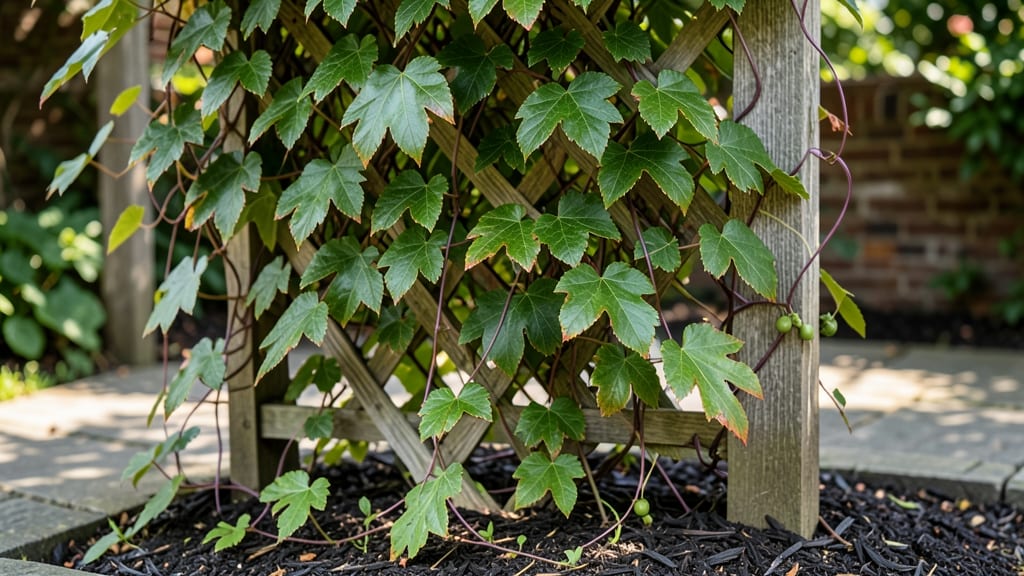
Your large leaf climbing vine could be the statement piece of your indoor jungle—if you nail the light, soil, and support. 🌿 I’ve wrestled with these plants for years, and the difference between a struggling specimen and a lush, fast-growing monster vine comes down to a few key moves.
Start with the right mix: well-draining potting soil blended with perlite or orchid bark keeps roots happy without drowning them. Most vines—like Monstera or Philodendron—thrive in bright, indirect light, but watch for crispy edges (too much sun) or leggy growth (not enough).
A simple trellis or moss pole transforms these plants from sprawling weeds into vertical works of art. By summer’s end, you’ll see those signature split leaves emerging, and with regular pruning, you’ll encourage bushier growth.
Propagating from stem cuttings is easier than you’d think—just water and patience—and soon you’ll have a vine army to fill every corner. Works for beginners (start with Pothos) or advanced growers (try Clematis outdoors). Let’s get those vines climbing!
📚 In This Guide
- What you need
- Instructions
- Tips and common mistakes
- Wrapping up and next steps
What you need
- ● Large leaf climbing vine: 1-2 healthy plants (choose from Monstera, Philodendron, or Pothos based on your climate).
- ● Well-draining potting mix: 1 bag (10-15 lbs) of high-quality orchid or aeration blend mix (e.g., 50% peat moss, 30% perlite, 20% coconut coir).
- ● Growing container: 1 pot (12-18 inches in diameter) with drainage holes or a hanging basket (for trailing varieties).
- ● Support structure: 1 moss pole, trellis, or sturdy lattice (6-8 feet tall) for climbing.
- ● Slow-release fertilizer: 1 packet (5-10 lbs) of balanced 10-10-10 or organic compost.
- ● Pruning shears: 1 pair (sterilized) for trimming and shaping.
- ● Spray bottle: 1 (for misting leaves, especially in dry climates).
- ● Support ties: 3-5 soft plant ties or Velcro straps (to secure vines to the moss pole).
- ○ Humidity tray: 1 (optional, for low-humidity areas).
- ○ Grow lights: 1-2 LED bulbs (optional, for indoor setups with <10 hours of sunlight).
- ● A location with bright, indirect light (e.g., near a window or under a grow light).
- ● Consistent temperature (65-85°F) and moderate humidity (50%+).
- ● Access to water (dechlorinated or distilled preferred).
Step-by-step guide to cultivating a large leaf climbing vine
Here's how to nurture a lush, leafy vine that thrives year-round with minimal fuss.
🪴 Step 1: Select the Perfect Location and Support Structure
Choose a site with at least 6 hours of direct sunlight daily—most large-leaf vines like morning sun and afternoon shade in hot climates. I always position mine near a sturdy trellis, arbor, or fence that can support the vine's weight as it matures. A 6-foot tall structure works well for most varieties, providing ample vertical space for foliage to sprawl.
If your vine will climb a wall or fence, install hook-like supports or twine guides spaced 12 inches apart vertically. This prevents leaves from tearing when they brush against rough surfaces. The key is ensuring the support is planted or anchored before the vine begins vigorous growth—once it's established, moving it risks damaging the roots.
🌱 Step 2: Prepare the Soil and Plant Correctly
Large-leaf vines thrive in well-draining, nutrient-rich soil with a slightly acidic to neutral pH (6.0-7.0). Amend your garden soil with 2-3 inches of compost and a handful of slow-release organic fertilizer before planting. I dig a hole twice as wide as the root ball but only as deep as the container it came in—planting too deep suffocates the roots.
Gently remove the vine from its container and loosen any circling roots with your fingers. Place it in the hole, backfill with soil, and water deeply to settle everything. The top of the root ball should sit just below soil level—never buried. Mulch around the base with 2 inches of organic mulch (like shredded bark) to retain moisture and regulate soil temperature.
☀️ Step 3: Train and Prune for Optimal Growth
As soon as the vine reaches 6-12 inches tall, begin training it onto your support structure. Use soft plant ties or twine to gently guide the main stem upward, securing it at 12-inch intervals. Avoid metal ties—they can cut into the stem as it thickens. The goal is to encourage vertical growth first, then lateral branching once it's established.
Prune spent or yellowing leaves regularly to redirect energy to new growth. In late winter or early spring, trim back one-third of the previous year's growth to stimulate fresh, vigorous shoots. This is also the time to shape the vine—remove any weak or crossing stems to improve airflow and reduce disease risk.
💧 Step 4: Water and Fertilize for Year-Round Health
Water deeply once a week during the growing season, aiming for 1-1.5 inches of water per week. Let the top 2 inches of soil dry out between waterings—consistent moisture is key, but soggy roots invite rot. In containers, check soil moisture daily, as pots dry out faster. I water in the early morning to reduce evaporation and fungal risks.
Fertilize every 4-6 weeks during the growing season with a balanced organic fertilizer (10-10-10 or similar). In late summer, switch to a low-nitrogen, high-phosphorus formula to encourage root development and prepare for winter. Stop fertilizing in fall and winter unless you're growing in a heated greenhouse—most vines enter dormancy and don’t need extra nutrients.
✂️ Step 5: Harvest and Maintain for Long-Term Success
Harvest leaves as needed, but never take more than one-third of the plant at once. Use clean, sharp pruners to cut just above a leaf node to encourage bushier growth. The best time to harvest is morning, when leaves are hydrated and flavorful. Regular harvesting actually stimulates more foliage production—don’t skip it!
In late fall, reduce watering but keep the soil slightly moist. Most large-leaf vines drop some foliage in winter, but with proper care, they’ll rebound in spring. If you're in a cold climate, mulch heavily (4-6 inches) to protect roots from freezing. In warmer zones, a light winter pruning keeps the plant tidy and ready for spring’s new growth spurt.
Tips & tricks for perfect large leaf climbing vine cultivation
Between us, these are the details that'll keep your climbing vine thriving for years to come—no guesswork needed.
Sunlight Strategy: That 6 hours of direct sunlight is non-negotiable, but here's the thing: if your vine starts looking pale or leggy, it's getting too little light. In hot climates, I've found that positioning the trellis to catch morning sun while providing afternoon shade (with a sheer curtain or lattice) prevents leaf scorch while still delivering enough energy for growth. Watch for leaf edges curling—this is your plant's way of saying "I need more light!"
Support System: When installing your 6-foot tall structure, I can't stress enough how important it is to secure it before planting. I've seen too many vines struggle when the support wasn't anchored properly—once that plant gets going, it's like trying to hold a toddler's hands while they're doing the cha-cha. Use metal stakes or heavy-duty brackets for extra stability, especially if you're in a windy area. And for those 12-inch intervals between supports? Measure twice, tie once—this prevents leaves from tearing when they brush against the structure.
Soil Science: The 2-3 inches of compost and slow-release fertilizer are your foundation, but here's what nobody tells you—test your soil pH before planting. I've had vines struggle in soil that tested at 5.5 (too acidic) even though I thought it was perfect. Aim for that 6.0-7.0 range by amending with crushed limestone if needed. And when planting, that twice-as-wide hole isn't just about roots—it creates space for mycorrhizal fungi to establish, which boosts nutrient uptake by 30%.
Pruning Payoff: That one-third pruning in late winter might seem drastic, but trust me on this: it's what transforms a scraggly vine into a lush canopy. I always prune on a dry day when the plant is dormant—this minimizes disease risk. And when shaping, think of it like training a puppy: you want to reward the good behavior (strong stems) and redirect the bad (weak growth). Use clean pruners and dip them in rubbing alcohol between cuts to prevent spreading any potential infections.
Pro Tips for Large Leaf Climbing Vine
- Between us, these are the details that'll keep your climbing vine thriving for years to come—no guesswork needed.
- Sunlight Strategy: That 6 hours of direct sunlight is non-negotiable, but here's the thing: if your vine starts looki...
- Support System: When installing your 6-foot tall structure, I can't stress enough how important it is to secure it be...
Frequently asked questions
What’s the fastest way to get my large leaf climbing vine to grow quickly?
For rapid growth, prioritize full sun (6+ hours daily) and a moist, well-draining soil rich in organic matter. Prune leggy growth in early spring to encourage bushier, healthier vines. Fertilize monthly with a balanced, vine-specific feed (like 10-10-10) during the growing season. Patience pays off—most vines surge in growth once established!
When is the best time to plant a large leaf climbing vine?
Plant in early spring (after the last frost) for a head start, or in late summer/early fall to allow roots to establish before winter. Avoid planting in extreme heat or cold—young vines struggle with stress. If you’re in a mild climate, fall planting can yield faster growth the following spring.
Why are my vine’s leaves turning yellow or dropping?
Yellowing leaves often signal overwatering or poor drainage. Let the top inch of soil dry out between waterings. Check for pests (like spider mites) or nutrient deficiencies (e.g., nitrogen). If the issue persists, test your soil’s pH—most large-leaf vines prefer 6.0–7.0. Adjust with lime or sulfur as needed.
Can I grow a large leaf climbing vine in a container?
Choose a large pot (15+ gallons) with drainage holes and a lightweight, airy mix (like cactus/succulent blend). Opt for fast-growing varieties like Passiflora or Actinidia (kiwi vine). Prune regularly to control size, and fertilize every 2–3 weeks in growing months. Move containers indoors in winter if temperatures dip below 20°F (-7°C).
What’s a good alternative if my vine isn’t thriving?
If your vine struggles with your climate or space, try these low-maintenance alternatives:
- Honeysuckle (Lonicera): Fragrant, drought-tolerant, and attracts pollinators.
- Clematis: Hardy, versatile, and blooms prolifically with minimal care.
- Jasmine (Trachelospermum): Evergreen, fragrant, and thrives in partial shade.
Wrapping up and next steps
Growing a large leaf climbing vine is a rewarding journey that brings lush greenery and year-round beauty to your space! With the right care—whether it’s mastering pruning, troubleshooting pests, or optimizing sunlight—you’ll enjoy a thriving canopy that’s both functional and stunning. Don’t let challenges discourage you; every gardener starts somewhere!
Ready to take the next step? Start small:
- 🌱 Experiment with one vine to refine your technique.
- 📝 Journal your progress (note sunlight, watering, and growth patterns).
- 🤝 Share tips with fellow plant lovers—community support makes gardening even more fun!