
Vegetables
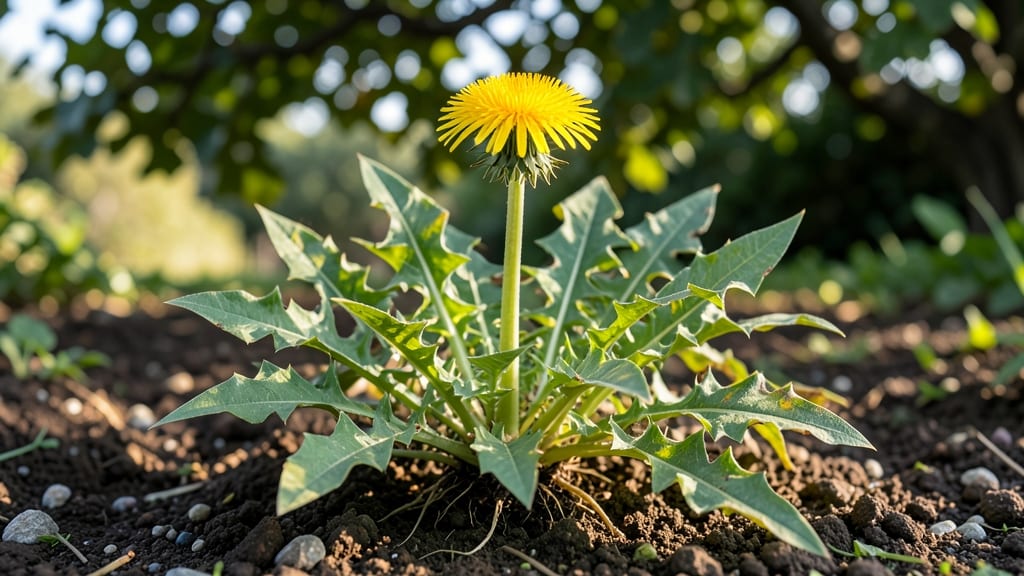
Large broadleaf weeds like dandelions and plantain can turn your garden into a battleground. 🌱 I’ve spent years wrestling with these stubborn invaders, and I’ve finally cracked the code on removing them without harming your prized plants—no more pulling for hours only to see them sprout back.
The secret lies in three targeted steps: identifying the weed (so you know what you’re dealing with), removing it at the right time (when it’s most vulnerable), and preventing regrowth with natural barriers. Most gardeners overlook the timing—pulling weeds when the soil is dry just makes them stronger, not weaker.
By following this method, you’ll see those weeds vanish within 2-3 weeks without disturbing your vegetables. The best part? You’ll save your back from endless bending and your garden from hidden competition for water and nutrients. No more watching your tomatoes struggle while dandelions thrive.
This works for any garden bed, raised planter, or container—just adjust the tools to your space. Let’s reclaim that garden without resorting to harsh chemicals or endless labor.
Root Causes of Unwanted Growth
Understanding why large broadleaf weeds invade your garden is the first step to stopping them effectively. These persistent plants don’t just appear out of nowhere—they thrive due to specific environmental and human-related factors.
Below, we break down the key reasons behind their dominance, so you can address the root of the problem (pun intended).
Large broadleaf weeds often flourish in soil that’s nutrient-rich, compacted, or disturbed. Here’s why:
- Over-Fertilized Soil: Weeds like dandelions and chickweed love nitrogen-heavy soil.
If your garden gets too much fertilizer (especially synthetic blends), weeds outcompete your vegetables for nutrients. Actionable fix: Use slow-release, organic fertilizers and target-feed only your crops, not the entire bed. - Compacted or Bare Soil: Tight, hard-packed soil prevents water drainage and root penetration.
Weeds exploit these gaps, sprouting quickly where grass or crops can’t. Actionable fix: Aerate soil annually with a garden fork or compost to improve structure. - Disturbed Soil: Digging, tilling, or even stepping on garden beds disrupts natural soil layers, burying weed seeds deeper and encouraging germination. Actionable fix: Use mulch (straw, wood chips) to suppress weeds naturally and reduce soil disturbance.
Weeds thrive where water is abundant and inconsistent. Here’s how your watering routine might be helping them:
- Overwatering: Weeds like lamb’s quarters and pigweed grow aggressively in moist conditions.
Drip irrigation or overhead watering can spread seeds and keep soil damp longer than needed. Actionable fix: Water deeply but infrequently (1–1.5 inches per week) and aim for the base of plants, not leaves. - Underwatering: Paradoxically, drought-stressed soil can also trigger weed seeds to germinate in a survival tactic. Actionable fix: Maintain even moisture with soaker hoses or drip systems. - Poor Drainage: Standing water or soggy soil creates the perfect breeding ground for weeds like smartweed. Actionable fix: Amend clay-heavy soil with compost or sand to improve drainage.
Weeds don’t just pop up—they fill empty spaces left by poor planning or neglect. Here’s how:
- Lack of Mulch: Without a protective layer, sunlight reaches weed seeds, triggering germination.
Mulch blocks light and smothers growth. Actionable fix: Apply 2–4 inches of organic mulch (straw, leaves, or grass clippings) around plants. - Thin Planting: Crowded crops leave no room for weeds to take hold, but sparse planting creates open areas where weeds spread unchecked. Actionable fix: Plant vegetables closely (follow seed packet spacing) and use companion planting to outcompete weeds. - Delayed Weeding: A single weed can produce thousands of seeds before you notice it.
Waiting too long means more work later. Actionable fix: Pull weeds weekly—especially when they’re small and easy to remove by hand.
Sometimes, the issue isn’t what you’re doing—it’s what’s not happening in your garden:
- Few Beneficial Insects: Ladybugs, ground beetles, and parasitic wasps naturally control weed seeds and larvae. Pesticides or lack of biodiversity can disrupt this balance. Actionable fix: Plant pollinator-friendly flowers (marigolds, alyssum) and avoid broad-spectrum insecticides. - Overgrown Areas: Wild edges or untended corners become weed reservoirs.
Seeds from large broadleaf weeds (like dock or plantain) spread easily into cultivated beds. Actionable fix: Keep garden borders tidy and mow or mulch wild areas regularly. - Seed Contamination: Weed seeds hitchhike on tools, compost, or even bird droppings.
A single contaminated bag of soil or manure can introduce a new infestation. Actionable fix: Sterilize tools with rubbing alcohol, use weed-free compost, and avoid manure from unknown sources.
Even well-meaning gardeners accidentally create weed-friendly conditions:
- Reusing Contaminated Mulch/Compost: Old mulch or homemade compost may contain dormant weed seeds that germinate later. Actionable fix: Use commercially screened compost or solarize homemade piles (cover with plastic for 4–6 weeks). - Ignoring Seed Spread: Weeds like ragweed release seeds that travel on wind or water.
Others, like bindweed, spread via root fragments. Actionable fix: Remove weeds before they seed (cut flowers/seed heads off) and dispose of debris in sealed bags. - Monoculture Planting: Growing the same crop year after year depletes soil and leaves weeds with fewer competitors. Actionable fix: Rotate crops and interplant with fast-growing cover crops (clover, vetch) to starve out weeds.
💡 Pro Tip: Keep a weed journal for a season to spot patterns—like which areas stay weed-free or which weeds appear after rain. Adjust your strategy based on real-time observations!
Tackle Stubborn Weeds Naturally
Now that you understand why large broadleaf weeds invade your garden, it’s time to reclaim your space—without resorting to harsh chemicals that harm your plants. Below, we’ve mapped out practical, step-by-step solutions tailored to the most common causes of weed overgrowth.
Each fix includes prevention tips to keep your garden weed-free long-term.
Cause: Weeds thrive where soil is exposed, often because plants are too close together. Fix:
- 🔥 Pull weeds by hand (best in damp soil after rain).
- 👨🍳 Thin your crops—space seedlings properly (check seed packet guidelines).
- 🥘 Apply 2–3 inches of organic mulch (straw, wood chips, or grass clippings) to block sunlight and smother weeds.
💡 Prevention Tip: Mulch before weeds sprout—consistency is key!
Cause: Waterlogged soil creates the perfect breeding ground for weeds. Fix:
- 🌡️ Test your soil’s drainage—dig a small hole, fill it with water, and time how long it takes to drain. If it’s slower than 6 hours, amend the soil with compost or sand.
- 🎯 Water deeply but less often—this encourages deep root growth in your plants (and starves shallow-rooted weeds).
- ✨ Use a soaker hose to target plant roots directly, reducing surface moisture where weeds germinate.
💡 Prevention Tip: Plant cover crops (like clover) in off-seasons to improve soil structure naturally.
Cause: Empty patches between plants leave room for weeds to take over. Fix:
- 🍳 Plant dense ground covers (like creeping thyme or living mulches) to fill gaps.
- 🔪 Use a weed fabric under mulch in high-traffic areas (leave edges exposed to prevent moisture buildup).
- 🥗 Sow fast-growing crops (like radishes or lettuce) in empty spots to outcompete weeds.
💡 Prevention Tip: Interplant (mix fast/slow growers) to minimize bare soil exposure.
Cause: Full-sun areas dry out, stressing plants and inviting weeds. Fix:
- 🌿 Add shade cloth (30–50% coverage) over seedlings or heat-sensitive plants.
- 🏡 Plant taller crops (like sunflowers or corn) as natural windbreaks to reduce weed seeds blowing in.
- 🌙 Use reflective mulch (like silver plastic) to deter weeds with light disruption.
💡 Prevention Tip: Rotate crops annually to prevent soil fatigue and weed buildup.
Cause: Some weeds (like dandelions or plantain) return year after year. Fix:
- 🍎 Mix 1 gallon of white vinegar + 1 oz dish soap in a spray bottle. Apply directly to weeds on a sunny day (avoid desirable plants).
- 🔥 Boil water and pour it over weed roots (best for cracks in pavement or driveways).
- 🌱 Repeat weekly until weeds die (vinegar breaks down in ~24 hours).
⚠️ Warning: Test on a small area first—vinegar can harm nearby plants.
🎯 Final Pro Tip: Pull weeds when soil is moist (early morning or after rain) for easier removal. Combine these methods for a weed-free garden in 3–4 weeks!
Frequently asked questions
What are the most common large broadleaf weeds I should watch for?
Look for dandelions (with their bright yellow flowers), plantain (broad leaves with parallel veins), and lamb's quarters (triangle-shaped leaves). Chickweed and purslane are also frequent offenders. These weeds often sprout in disturbed soil and compete aggressively with your garden plants.
When is the best time to remove large broadleaf weeds?
The ideal time is right after rainfall when soil is moist—this makes pulling easier and reduces regrowth. For stubborn weeds like dock or plantain, remove them before they flower (typically spring to early summer) to prevent seed spread.
Will vinegar really kill large broadleaf weeds?
Yes, but use it carefully! A 1:1 ratio of white vinegar to water with 1 tablespoon dish soap works best. Spray on sunny days—it kills weeds by burning their leaves, but avoid spraying desirable plants. For best results, apply weekly until the weeds die (usually 2-3 weeks).
Can I use mulch to prevent large broadleaf weeds?
Apply 2-4 inches of organic mulch (straw, wood chips, or grass clippings) around plants to block sunlight and smother weeds. Just keep mulch 2 inches away from plant stems to prevent rot. Refresh mulch every 2-3 months for best results.
Why do weeds keep coming back after I remove them?
Most weeds have deep root systems or produce thousands of seeds. If you don't remove the entire root (especially for dandelions or plantain), new shoots will grow back. For persistent weeds, try a vinegar solution or dig deeper to get the roots completely.