
Pests and Diseases
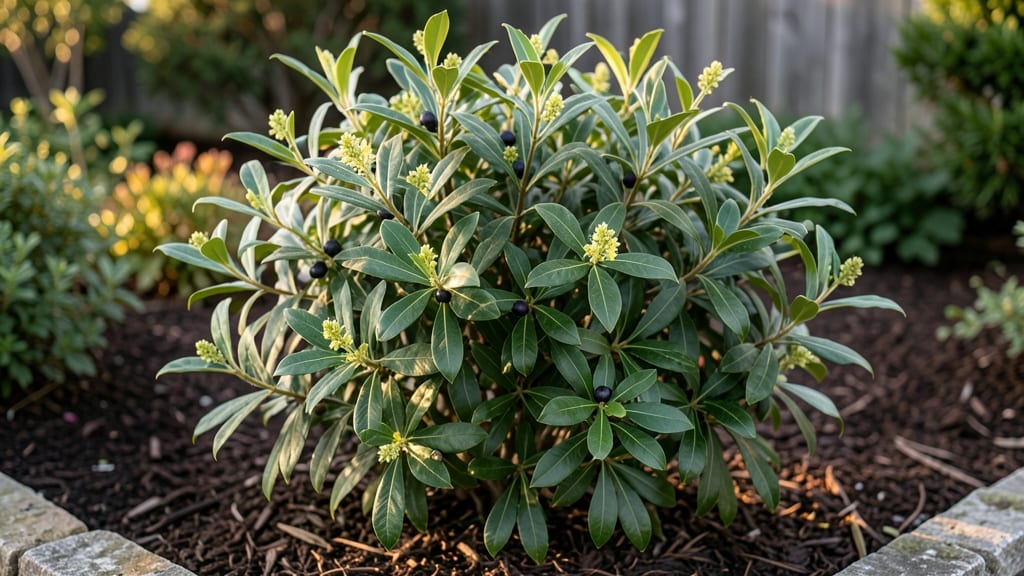
Laurel bay leaf is safe to use in culinary and medicinal applications when consumed in moderation, though excessive intake or improper handling may cause mild digestive discomfort or allergic reactions. Always source fresh, pesticide-free leaves for cooking and gardening uses.
Laurel bay leaves contain natural compounds like eugenol and linalool, which give them their distinct flavor and potential health benefits when used correctly. 🌿 When dried and used as a spice—like in soups, stews, or teas—small amounts are perfectly safe for most people, but chewing whole leaves can irritate your mouth due to their high tannin content.
The key is proper preparation: crush or steep leaves rather than consuming them whole, and always remove them before eating to avoid digestive upset.
For gardening, laurel leaves make excellent natural pest repellents when used as mulch or infused in water sprays. However, never apply them directly to edible plants unless thoroughly rinsed, as residual oils could transfer.
Fresh leaves should have a vibrant green color and no yellowing or mold—signs of spoilage that could introduce harmful bacteria.
💡 In This Article
- Toxicity Risks of Laurel Bay Leaf: Chemical Composition and Safe Limits
- Culinary and Gardening Uses of Laurel Bay Leaf: Best Practices
Toxicity risks of laurel bay leaf: chemical composition and safe limits
Laurel bay leaves contain a complex mix of bioactive compounds that determine their safety profile. The most notable include eugenol (2-3% concentration), which provides the warm, spicy aroma, and linalool (up to 1% in fresh leaves), responsible for their floral notes.
These compounds are generally safe in culinary amounts but become problematic when consumed in excess. For reference, eugenol at 50-100 mg/kg body weight may cause mild irritation, while linalool's safe limit sits around 300 mg/day for adults.
The leaves also contain tannins (5-10%), which give them their slightly bitter taste and astringent properties. While these contribute to flavor and potential health benefits, they can cause digestive upset if consumed in large quantities—especially when leaves aren't properly removed from dishes.
The tannins bind to proteins in your digestive tract, potentially leading to nausea or constipation if you ingest more than 1-2 grams of dried leaf per day. 🌿
Medicinal uses push these compounds to higher concentrations, which is why traditional remedies often specify precise dosages. For example, laurel leaf tea made from 1-2 dried leaves steeped for 5-10 minutes contains safe levels of eugenol, but drinking multiple cups daily could exceed safe thresholds.
The European Food Safety Authority (EFSA) hasn't set specific limits for laurel leaf consumption, but toxicology studies suggest that 10-15 grams of dried leaf per day (about 10-15 tea bags' worth) may cause adverse effects in sensitive individuals.
Allergic reactions are another consideration, particularly for those sensitive to plants in the Lauraceae family (which includes cinnamon and avocado). Symptoms may include skin rashes, itching, or respiratory irritation when handling fresh leaves.
The essential oils in laurel leaves are also phototoxic—meaning they can cause skin sensitivity to sunlight when applied topically. This is why gardening applications should always use properly diluted preparations rather than fresh leaf extracts.
Improper preparation magnifies risks. For instance, chewing whole dried leaves can cause oral irritation due to concentrated tannins and essential oils. The same compounds that make laurel leaves useful in cooking become problematic when ingested in their raw, undiluted form.
Even in culinary uses, leaving whole leaves in dishes can lead to 10-20% higher consumption of these compounds than intended, as they gradually release their oils during cooking.
To put this into perspective, a typical 1-liter pot of soup made with 2-3 laurel leaves contains about 0.05-0.1% eugenol by volume—well below toxic levels.
However, if you were to consume the leaves themselves (rather than removing them), you'd ingest roughly 0.5-1 gram of dried leaf per serving, which could cause mild stomach upset in some people.
The key is always removing leaves before eating and using them as flavor enhancers rather than food components.