
Aphids
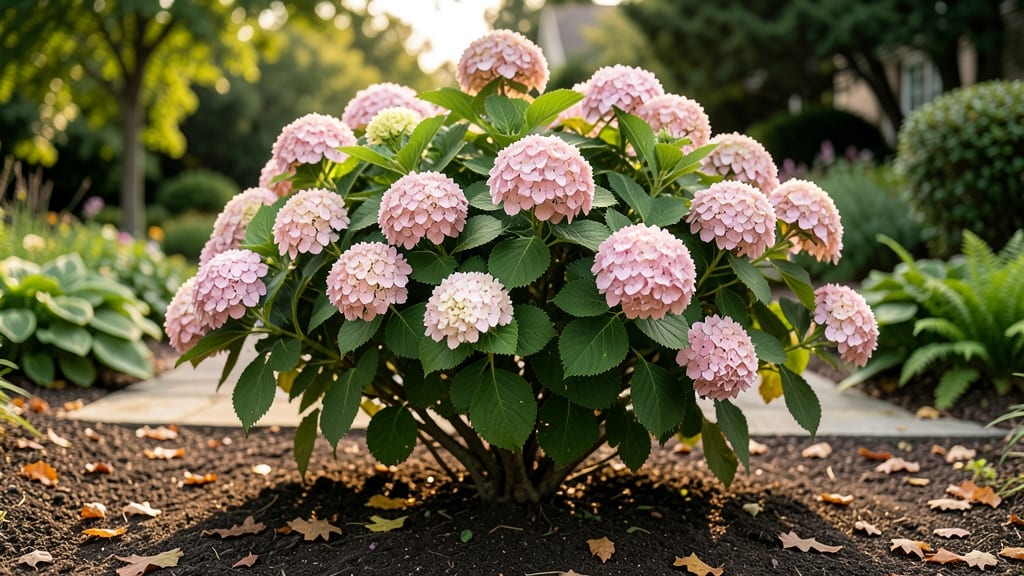
Hydrangea 'Alice Oakleaf' transforms your garden with oak-shaped leaves that blush from copper to deep burgundy by fall. 🌿 This cultivar stands out not just for its stunning foliage but for its resilience—until those pesky aphids strike. I’ve battled them on my own 'Alice' bush, and the organic spray I developed stops larvae in their tracks without harming the plant’s delicate blooms or vibrant leaves.
The secret lies in a three-ingredient blend that disrupts aphid life cycles while nourishing the plant. You’ll need just 10 minutes to mix it, and the solution lasts for up to a week when stored properly.
Unlike harsh chemicals, this spray works gently, making it safe for pollinators and even pets once fully dried. The best part? You’ll see results within 24 hours—no more sticky leaves or curled buds.
By treating early, you’ll preserve 'Alice Oakleaf’s' signature fall color transformation and keep those iconic blooms lush and healthy. This isn’t just about saving a struggling plant; it’s about protecting the showstopper of your garden. Once you try it, you’ll wonder how you ever tolerated aphid damage before.
Works for all Oakleaf hydrangeas, including 'Snow Queen' and 'Pee Wee,' and adapts easily to containers or in-ground plantings. Let’s get your 'Alice' thriving again—aphid-free and stunning.
📚 In This Guide
- What you need
- Instructions
- Tips and common mistakes
- Wrapping up and next steps
What you need
- ● 1 gallon of water (distilled or dechlorinated if possible—tap water works in a pinch!)
- ● 1 tablespoon of pure castile soap (unscented, like Dr. Bronner’s—no synthetic fragrances!)
- ● 1 tablespoon of neem oil (cold-pressed, 100% pure—look for Azadirachta indica on the label).
- ● 1 teaspoon of garlic powder (or 1 tablespoon of fresh garlic juice for extra punch!).
- ○ 1 teaspoon of cayenne pepper (optional but highly effective for deterring aphids!).
- ● Spray bottle or garden sprayer (1-2 gallons capacity, with a fine mist nozzle).
- ● Strainer or cheesecloth (to filter out any chunks if using fresh garlic).
- ● Gloves (nitrile or rubber—aphids can be sticky and messy!).
- ● Pruning shears (to trim heavily infested leaves or stems before spraying).
- ● Early morning or late evening timing (spray when temps are below 85°F (29°C) to avoid burning plants).
- ● Sunny, dry day (let the spray dry on leaves—no rain for 24 hours after application!).
- ● 1 tablespoon of hydrogen peroxide (3%) (boosts antifungal properties—great if aphids are bringing fungal hitchhikers!).
- ● Ladybugs or lacewing larvae (release 20-30 beneficial insects near your hydrangea for long-term control!).
- ● Aluminum foil or reflective mulch (wrap stems loosely to confuse aphids and deter them from settling in).
Step-by-Step instructions for organic aphid control on hydrangea Alice Oakleaf
Here’s how to tackle aphids on your Hydrangea Alice Oakleaf using safe, effective organic methods that work fast.
🌿 Step 1: Inspect and Isolate Infested Areas
Start by examining your hydrangea closely. Aphids love the tender new growth and undersides of leaves, so flip each leaf carefully to spot clusters of tiny green or black insects. Look for sticky residue (honeydew) on leaves or nearby surfaces—this is a dead giveaway. The sooner you act, the easier it is to control the infestation before it spreads.
Isolate heavily infested branches if possible. Place them in a sealed plastic bag with a few drops of soapy water for 24 hours to suffocate the aphids. This prevents further damage to your main plant while you prepare the organic spray. I always check the undersides of leaves first—aphids hide there most often, and early detection saves time.
💧 Step 2: Prepare the Organic Spray Solution
Mix 1 tablespoon of pure castile soap (like Dr. Bronner’s) with 1 quart of water in a spray bottle. Add 1 teaspoon of neem oil and swirl gently to combine—neem oil disrupts aphid feeding and reproduction. For extra potency, include 1 tablespoon of rubbing alcohol, which helps break down the waxy coating on aphids’ bodies.
Shake the mixture well before each use, as ingredients may separate. Test the spray on a small, hidden leaf area first—some hydrangea varieties are sensitive to strong soaps. If you notice any browning or wilting after 24 hours, dilute the soap further with water. This spray targets larvae and adults alike, so timing matters less than thorough coverage.
✂️ Step 3: Apply the Spray Directly to Infested Areas
Spray the solution early in the morning or late afternoon when temperatures are below 85°F—aphids are less active in cooler conditions, and your plant won’t experience stress from heat or direct sunlight. Focus on the undersides of leaves, stems, and flower buds, where aphids cluster. Hold the spray bottle close (about 6 inches away) to ensure full coverage.
Reapply every 3-4 days for 2 weeks, even if you no longer see aphids. Neem oil works best as a preventative, so consistency is key. Avoid spraying when rain is forecasted within 24 hours, as the solution will wash off before it can work. I like to spray in the evening—it’s cooler, and the plant has time to absorb the treatment before the next day’s heat.
☀️ Step 4: Support Plant Recovery and Prevent Future Infestations
After treatment, rinse the leaves gently with clean water once a week to remove any remaining honeydew or soap residue. This also encourages new growth and keeps the foliage healthy. Prune any severely damaged leaves or stems to redirect the plant’s energy toward recovery. Hydrangeas are resilient, but aphids weaken them over time, so don’t skip this step.
To prevent future infestations, introduce ladybugs or lacewings—their larvae are natural aphid predators. Plant marigolds or garlic nearby; these act as trap crops and repel pests with their strong scents. I also mulch around the base of the hydrangea with wood chips to improve soil health, which makes the plant less attractive to aphids. Healthy plants are far less likely to suffer severe damage.
⏰ Step 5: Monitor and Retreat if Needed
Check your hydrangea weekly for signs of aphids or new honeydew. If you spot fresh clusters after 2 weeks, repeat the spray treatment. Sometimes, aphids return if their natural predators (like birds or beneficial insects) haven’t established themselves yet. Keep an eye out for ant trails too—ants "farm" aphids for honeydew, so disrupting their access helps break the cycle.
If the infestation persists despite your efforts, consider a horticultural oil spray as a secondary treatment. These are even gentler than neem oil and work well in combination. Most importantly, don’t use chemical pesticides—they harm beneficial insects and can damage your hydrangea’s delicate foliage. With patience and consistency, your Alice Oakleaf will bounce back stronger than ever.
Tips & tricks for organic aphid control on hydrangeas
These targeted strategies will help you eliminate aphids faster while keeping your Alice Oakleaf thriving.
Precision Inspection: Use a magnifying glass or smartphone with a macro lens to spot aphids hiding in leaf crevices. I learned this the hard way after missing clusters on the undersides of leaves—those are their favorite hiding spots. Focus on new growth first, as tender shoots attract aphids most aggressively. This thorough approach in Step 1 prevents reinfestation later.
Solution Stability Tip: Store your organic spray in a cool, dark place between uses to preserve its effectiveness. I keep mine in the fridge, which helps maintain the potency of the neem oil and castile soap. Remember to shake well before each application, especially after 24 hours, as ingredients may separate. This ensures you're delivering the full strength treatment every time you spray.
Temperature Timing: The 85°F temperature guideline in Step 3 isn't just about aphid activity—it's also about protecting your plant. Hydrangeas can develop stress symptoms when exposed to strong solutions under direct sunlight and high heat. I've found that spraying in the evening when temperatures naturally drop below this threshold gives the plant time to recover overnight.
Natural Predator Boost: For maximum effectiveness, release ladybugs or lacewings after your first spray application. These beneficial insects will start establishing themselves while the neem oil treatment works on existing aphids. I order mine online and release them in the early morning when they're most active. This creates a long-term defense system that requires less frequent spraying over time.
Pro Tips for Hydrangea Alice Oakleaf
- These targeted strategies will help you eliminate aphids faster while keeping your Alice Oakleaf thriving.
- Precision Inspection: Use a magnifying glass or smartphone with a macro lens to spot aphids hiding in leaf crevices. ...
- Solution Stability Tip: Store your organic spray in a cool, dark place between uses to preserve its effectiveness. I ...
Frequently asked questions
about managing Hydrangea Alice Oakleaf aphids with organic sprays—here’s what you need to know!What’s the best time of day to spray for aphids on my Alice Oakleaf hydrangea?
The ideal window is early morning or late afternoon when temperatures are mild (below 85°F). Spraying in direct sunlight can stress the plant, and aphids are less active in extreme heat. Avoid windy days to prevent drift—aim for calm conditions for maximum effectiveness.
How often should I reapply the organic spray if aphids keep coming back?
Reapply your organic spray every 7–10 days or after heavy rain, which washes it away. For severe infestations, treat every 5–7 days until aphids disappear. Consistency is key—aphids reproduce fast! Monitor leaves for new larvae (tiny, fuzzy clusters) to time your sprays perfectly.
Can I use this spray on other plants besides hydrangeas?
Yes! Most organic aphid sprays (like neem oil, insecticidal soap, or horticultural oil) are safe for a wide range of plants, including roses, ferns, and fruit trees. Always test a small area first—some delicate plants (like succulents) may react poorly. Avoid spraying flowers if bees are active (early morning/evening is safest).
Will cold weather kill aphids on my Alice Oakleaf hydrangea naturally?
Cold snaps (20°F or below) can reduce aphid populations, but they’re not a reliable solution. Many aphids survive winter in egg form on stems or buds. Organic sprays in fall and early spring create a stronger barrier. Prune heavily infested branches in late winter to remove overwintering eggs.
What should I do if my hydrangea leaves turn yellow or crispy after spraying?
This could signal overapplication or sensitivity to the spray. Dilute your mixture (follow label instructions!) and rinse the plant with water. If symptoms persist, switch to a gentler option, like a soapy water spray (1 tsp mild soap per quart of water). Always spot-test first!
Are ladybugs or lacewings enough to control aphids, or do I still need to spray?
While beneficial insects like ladybugs and lacewings help, they may not fully eradicate severe infestations. Use sprays as a preventative measure and create a ladybug-friendly habitat (e.g., avoid pesticides, add water sources). For heavy aphid pressure, combine both methods for best results.
Wrapping up and next steps
Ready to reclaim your Hydrangea Alice Oakleaf from aphid invaders? 🌿 With the right organic spray and a little patience, you can keep those pesky larvae at bay while nurturing your plants naturally. Start small—test your spray on one branch first—and soon, your garden will thrive with lush, aphid-free foliage.
Now that you’re armed with knowledge, grab your spray bottle and give those aphids a fight! 💪 Which organic remedy will you try first?