
Light Requirements
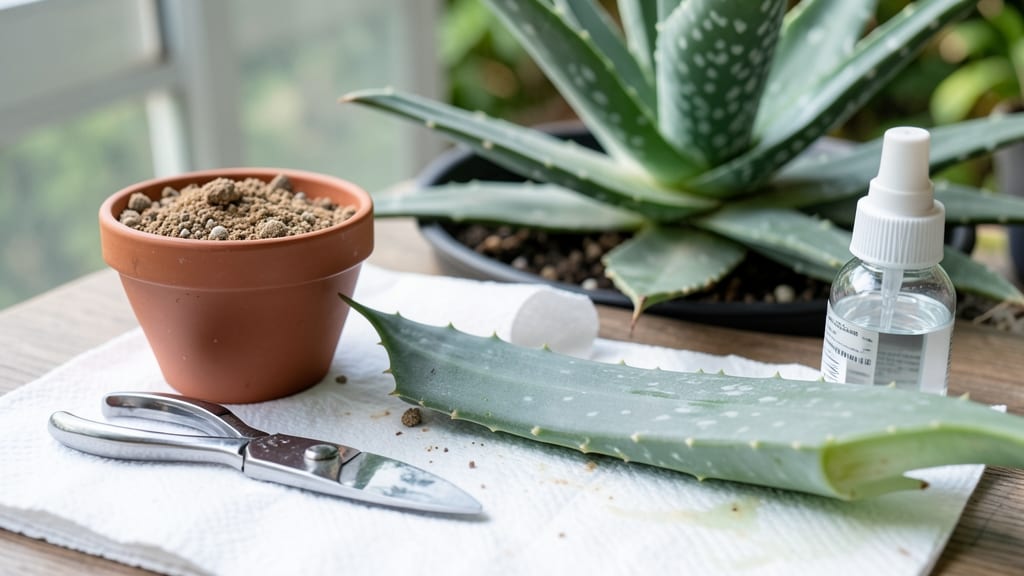
That single aloe vera leaf could become a thriving plant in just 8-12 weeks—if you replant it right. 🌱 I’ve turned broken-off leaves into full-grown aloes by following these simple steps, and you can too.
The key is letting the cut end dry properly before planting, which most beginners skip (and regret).
Start with a healthy leaf at least 6 inches long, let the cut end callus over for 3-5 days, and use a well-draining cactus mix. Skip the fancy tools—just a small pot, some soil, and patience.
After replanting, place it in bright, indirect light and resist the urge to water for at least a week.
You’ll see tiny roots forming within 2-3 weeks, and new growth shooting up in 4-6 weeks. The first sign of success? A fresh, plump leaf pushing out from the center. Overwatering is the #1 killer—let the soil dry completely between waterings.
Works for broken leaves, offsets, or even store-bought pups. Here’s exactly how to do it without killing your new plant.
📚 In This Guide
- What you need
- Instructions
- Tips and common mistakes
- Wrapping up and next steps
What you need
- ● Healthy aloe vera leaf: Choose a mature, thick leaf (at least 6–8 inches long) with no signs of rot or damage.
- ● Well-draining potting mix: Use a cactus or succulent mix (avoid regular soil—it retains too much moisture!). A 1-gallon bag is ideal for beginners.
- ● Small pot or container: Opt for a 4–6 inch diameter pot with drainage holes (plastic or terracotta works great).
- ○ Rooting hormone (optional but helpful): A small bottle of powder or gel (like Clonex) to boost root growth.
- ● Sharp knife or pruning shears: Sterilized to prevent infection (rubbing alcohol works for cleaning).
- ● Watering can or spray bottle: For minimal hydration—aloe vera hates soggy roots!
- ○ Gloves (optional): Aloe sap can irritate skin—wear garden gloves if sensitive.
- ○ Perlite or sand (optional): Mix 10–20% into your potting soil for extra drainage.
- ○ Clear plastic bag or dome (optional): To create a humid microclimate for faster rooting.
- ● Label or marker: To track your replanted leaf (trust us, you’ll forget which is which!).
Step-by-step instructions for replanting aloe vera leaves
Here’s how to propagate aloe vera leaves into thriving new plants—fast and with minimal fuss.
🌱 Step 1: Select and Prepare the Healthy Leaf
Choose a mature, plump aloe leaf from the outer rosette—it should be at least 6 inches long and free of brown spots or damage. Gently twist the leaf at its base until it separates cleanly from the mother plant. You’ll see a thick, gel-filled base where the leaf meets the stem. Let the leaf sit upright in a dry, shaded spot for 1-2 hours to allow the cut end to callus over slightly—this prevents rot when planted.
If the leaf has a long stem, trim it down to about 2 inches from the base. This reduces the risk of fungal issues later. I like to label the leaves with a toothpick and marker if I’m propagating multiple varieties, since they can look identical at first.
💧 Step 2: Root the Leaf in Water or Soil
For fastest results, place the callused end of the leaf in a glass of room-temperature water, submerging only the bottom 1 inch. Use filtered or distilled water to avoid chlorine, which can inhibit root growth. Set the glass in bright, indirect light—a sunny windowsill works perfectly. Change the water every 3-4 days to prevent bacterial growth. Roots should appear in 2-3 weeks if the conditions are right.
If you prefer soil rooting, mix equal parts potting soil and perlite for drainage, then plant the leaf 1 inch deep in the mix. Keep the soil lightly moist but never soggy. A clear plastic bag over the pot creates a humidity dome, which speeds up rooting—just remove it once roots form.
☀️ Step 3: Transition to Soil and Encourage Growth
Once roots reach 1-2 inches long (about 4-6 weeks for water-rooted leaves), transplant into a 4-inch pot filled with cactus or succulent mix. Water lightly immediately after planting to help settle the roots. Place the pot in bright, direct light—aloe vera thrives in 6+ hours of sun daily. Avoid fertilizing for the first 2 months, as new roots are sensitive to nutrients.
Watch for the first signs of new growth: tiny pups emerging from the leaf base or fresh, upright leaves forming. This means the plant is establishing itself. If the leaf yellows or softens, it’s overwatered—aloe vera stores water in its leaves and prefers dry conditions.
✂️ Step 4: Maintain and Propagate Further
After 3-4 months, your replanted leaf will have grown into a small rosette. At this stage, you can either keep it as a single plant or let it produce pups (baby aloe plants) around its base. To separate pups, gently twist them free when they’re about 2-3 inches tall—they’ll root easily on their own.
Water only when the soil feels completely dry to the touch, typically every 2-3 weeks. Overwatering is the #1 killer of aloe vera, so err on the side of too little. In 6-12 months, your replanted leaf will be a sturdy, mature plant ready to share with friends—or keep for your own collection.
Tips & tricks for replanting aloe vera leaves
Here's what nobody tells you about speeding up your aloe vera propagation—these little adjustments make all the difference.
Selection Matters: When choosing your aloe leaf, look for ones that are heavy for their size—they contain more gel and nutrients for faster rooting. I've found that leaves from the outer rosette often produce stronger roots because they've already matured in less ideal conditions. After cutting, let that callus form for the full 1-2 hours—this isn't optional! I learned this the hard way after losing three cuttings to rot from skipping this step.
Water Rooting Hack: For the fastest results with water rooting, use a clear glass so you can track root growth daily. Place your glass near a south-facing window where it gets bright, indirect light for most of the day. The roots will appear in 2-3 weeks if you maintain room temperature water and change it every 3-4 days—don't skip this! Stagnant water breeds bacteria that can kill your cutting before roots even form.
Soil Rooting Strategy: When mixing your soil and perlite for rooting, add a handful of coarse sand to improve drainage even further. The 1-inch depth planting is crucial—any deeper and the leaf may rot from excess moisture. After planting, give the soil a light misting with water, then place a plastic bag over the pot to create that humidity dome. Remove it as soon as you see roots forming through the soil surface to prevent mold.
Light Transition Wisdom: The move from indirect to direct light in Step 3 is critical for your aloe's survival. Start with just 2-3 hours of direct sun daily, then gradually increase to the full 6+ hours over a week. Sudden exposure can scorch tender new growth. I've seen replanted leaves develop sunburn spots when moved too quickly—watch for pale or white patches that indicate stress.
Pro Tips for Replant Aloe Vera Leaf
- Here's what nobody tells you about speeding up your aloe vera propagation—these little adjustments make all the difference.
- Selection Matters: When choosing your aloe leaf, look for ones that are heavy for their size—they contain more gel and nutrients for faster rooting.
- Water Rooting Hack: For the fastest results with water rooting, use a clear glass so you can track root growth daily.
Frequently asked questions
How long does it take for an aloe vera leaf cutting to root?
Most aloe vera cuttings take 2–4 weeks to root in water or soil, depending on conditions like warmth, humidity, and light. Keep the cutting in bright, indirect light and avoid overwatering. Once roots are 1–2 inches long, it’s safe to transplant into soil. Patience is key—rushing can stress the cutting!
Can I replant an aloe vera leaf that’s already sprouted roots in water?
If your aloe leaf has developed roots in water, it’s ready for soil. Gently rinse off any algae or debris, let the roots dry for 1–2 hours, then plant it in well-draining soil. Water lightly after planting to avoid shocking the roots. Pro tip: Use a pot with drainage holes to prevent root rot.
What if my aloe vera leaf cutting rots instead of rooting?
Rotting is usually caused by too much moisture or poor drainage. If you’re rooting in water, switch to soil immediately. For soil rooting, ensure the cutting is in a fast-draining mix (like cactus soil) and only water when the top inch is dry. Trim any mushy, blackened areas with clean scissors to save the healthy part.
Do I need special light for replanting aloe vera?
Aloe vera thrives in bright, indirect light—think east or south-facing windows. Avoid harsh direct sun, which can scorch new cuttings. If natural light is limited, use a grow light 12–14 hours a day. Yellowing leaves? It might need more light. Drooping? It could be too hot or dry.
Can I replant aloe vera in soil without the gel?
Yes! The gel isn’t necessary for replanting, but it can act as a natural fungicide. If you skip it, focus on sterile soil and proper drainage. Mix in perlite or sand to improve airflow. Just avoid overwatering—the gel helps retain moisture, but soil needs balance. Bonus: Save the gel for burns or skincare!
Wrapping up and next steps
Replanting an aloe vera leaf is simpler than you think—and with the right care, you’ll soon have a thriving new plant! 🌱 Remember to choose a healthy leaf, give it time to callus, and provide the ideal mix of light, soil, and patience.
Whether you’re propagating for personal use or gifting, your efforts will pay off in lush, vibrant growth.
Ready to turn that single leaf into a full-fledged aloe vera? Start by placing your rooted cutting in a sunny spot and keep an eye on its progress. Before you know it, you’ll be harvesting your own soothing gel or sharing your green thumb success with friends! 🌿✨