
How To
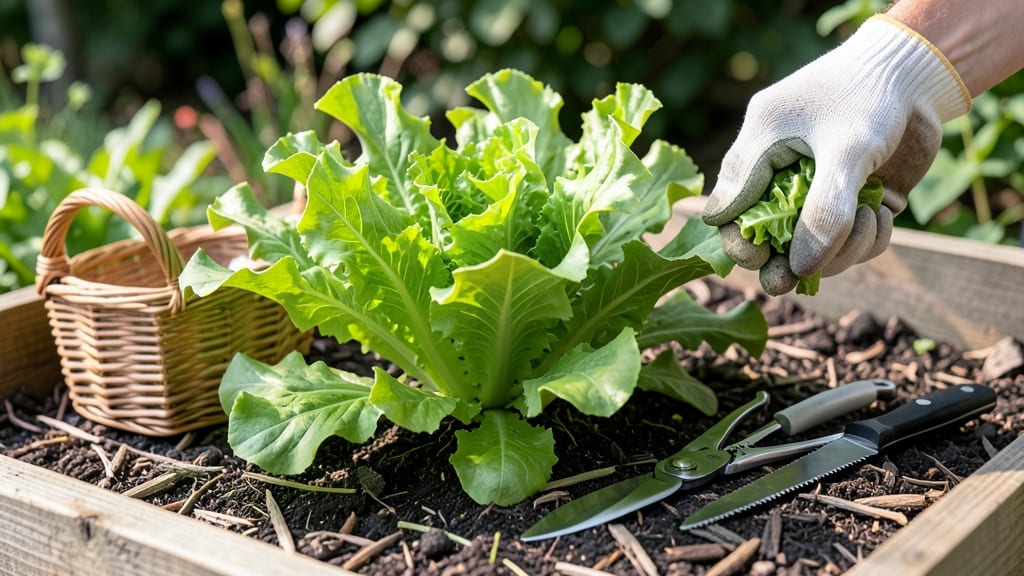
To pick green leaf lettuce at its peak crispness and flavor, focus on leaf size, color, and texture—harvesting when leaves reach 3-4 inches ensures maximum freshness.
Picture this: you’re about to toss a salad, but the leaves feel limp, taste bitter, or even wilt in your hands. That’s the difference between a restaurant-quality bite and a sad, soggy mess. The secret? Timing and visual cues that most gardeners miss.
Leaf lettuce 🥬 thrives when harvested in the morning, before the heat sets in, and outer leaves first to encourage regrowth. But how do you know when it’s truly ready? Look for vibrant green color, firmness, and a stem that pulls away cleanly—these are your go-to signs of perfect lettuce.
In this guide, I’ll walk you through the exact steps to spot the best leaves, avoid common mistakes, and keep your harvest crisp for days. No more guesswork—just flavor-packed greens every time.


5 Visual signs of fresh green leaf lettuce (and what to avoid)
Picking the perfect green leaf lettuce starts with understanding its visual cues—because what you see often reveals what you taste. Fresh lettuce should look vibrant, crisp, and full of life, while subtle (or obvious) flaws can turn your salad into a sad, wilted mess.
As someone who’s harvested lettuce from my own garden and sifted through grocery store bins, I’ve learned to trust my eyes before my hands.
Here’s the golden rule: fresh lettuce is bright, firm, and dry. If any of these signs are missing, it’s time to walk away. The good news? These visual checks take less than 30 seconds and can save you from bitter, slimy, or even spoiled greens.
Let’s break down exactly what to look for—and what to avoid—when selecting your next batch.
Look for deep, uniform green leaves with no yellowing or brown spots. Avoid lettuce with uneven patches—these signal age or disease.
Gently squeeze a leaf—it should spring back when released. Soft or mushy leaves mean it’s past its prime and may taste bland or bitter.
A dry stem is ideal, but if it feels sticky or slimy, it’s been overhandled or stored improperly. This often means bitter flavor or spoilage.
Leaves should be closely packed with minimal gaps. Loose or spread-out leaves indicate age and reduced crispness.
If you see tall stems or buds, the lettuce has bolted and will taste bitter or woody. This happens when lettuce gets too hot or old.
Now, let’s talk about the red flags that scream “avoid this lettuce!” Yellowing leaves aren’t just unsightly—they’re a sign of age or nutrient deficiency, which often translates to a milder, less sweet flavor.
Similarly, if the leaves feel slimy or damp to the touch, it’s been stored in high humidity, leading to bacterial growth and a sour, off taste.
Another common mistake? Ignoring the stem condition. A fresh head should have a firm, dry core. If it’s mushy or oozing liquid, it’s already spoiled.
I once bought a head of lettuce with a slightly slimy stem, and by lunch, my salad was covered in black mold—a lesson I won’t forget!
Pro tip: When harvesting your own lettuce, pick outer leaves first to encourage regrowth. This way, you’re always getting the freshest, crispest greens without waiting for the whole head to mature.
And if you’re buying pre-washed lettuce, check the expiration date—even “fresh” lettuce can turn sad within days if not stored properly.
Remember, the best lettuce is bright, crisp, and dry. If it passes these five visual checks, you’re on your way to a salad that’s as fresh as your morning dew. Happy harvesting—or shopping!
How to test for crispness and bitter-free flavor before buying
Nothing ruins a salad faster than soggy, bitter lettuce. The good news? You can test for crispness and flavor before buying with simple tricks. Start by checking the leaf texture—fresh lettuce should feel firm and resistant when gently squeezed.
Avoid leaves that crumple or feel mushy, as they’ve lost moisture and may taste bland or bitter.
Next, inspect the leaf edges for crispness. Run your thumb along the edge of a leaf—it should feel slightly rough or serrated, not smooth or slimy. Smooth edges often mean the lettuce was overwashed or stored too long, leading to bitterness.
Also, check for dark spots or yellowing, which indicate spoilage or age-related bitterness.
3 Quick Tests for Perfect Lettuce
-
1. The Squeeze Test
Gently squeeze a leaf between your fingers. Crisp lettuce will spring back slightly, while wilted lettuce will stay flattened. Avoid heads that feel heavy for their size—this often means excess moisture or decay. -
2. The Leaf Fold Method
Fold a leaf in half. If it cracks or snaps cleanly, it’s fresh. If it bends without resistance, it’s past its prime. This test reveals hidden crispness even if the outer leaves look okay. -
3. The Temperature Check
Fresh lettuce should feel cool to the touch. If it’s warm, it’s been sitting too long in display lights or warm storage, which speeds up bitterness. Store-bought lettuce should be chilled at 35–40°F—ask the manager to check if unsure.
Don’t overlook the core of the lettuce head. A tight, compact core means the leaves are still firm and flavorful. If the core is loose or brown, the outer leaves will likely be bitter or stringy.
Loose cores also signal overmaturity, which triggers bitter compounds as the plant prepares to bolt.
Finally, trust your nose and eyes. Fresh lettuce has a clean, earthy aroma. If it smells musty, sour, or ammonia-like, it’s spoiled. Also, avoid heads with excessive condensation in the plastic wrap—this traps moisture and encourages mold.
For loose leaf lettuce, skip any bags with wilting edges or leaves sticking together.
Pro tip: Buy lettuce last in your grocery trip and store it unwashed in a paper towel-lined container in the fridge. This keeps it crisp for up to 5 days without absorbing moisture from the crisper drawer. When in doubt, sniff and squeeze—your senses won’t steer you wrong!