
Pests
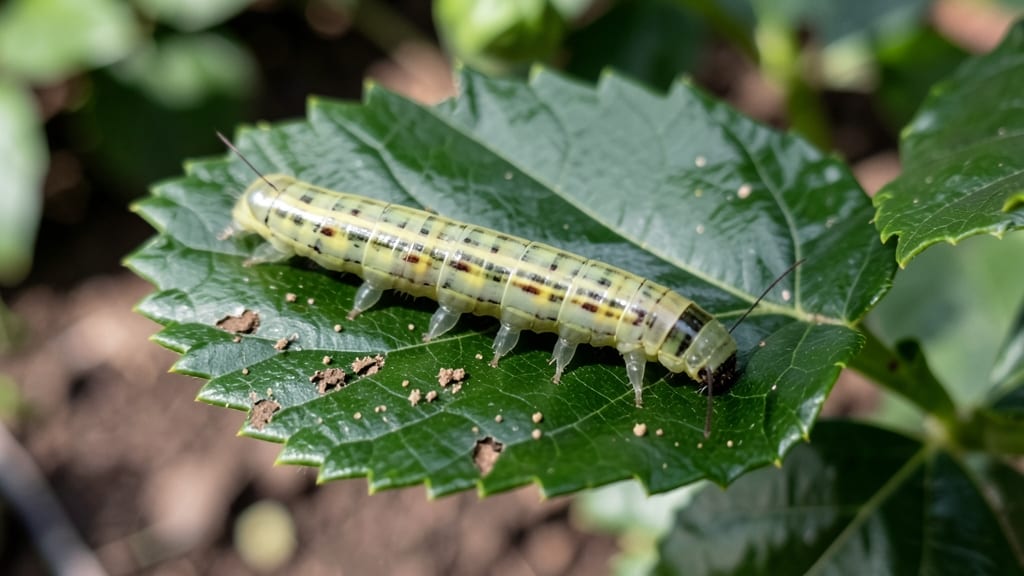
Those velvety green leaves disappearing overnight? 🌿 The hibiscus leaf caterpillar turns your prized bushes into skeleton plants faster than you can say "organic defense." I've battled these striped bandits for years, and what I learned changed how I protect my hibiscus—without reaching for the harsh stuff.
The damage starts small: chewed edges, then holes, then entire leaves stripped down to the midrib. These caterpillars aren't picky—they'll devour your dinner-plate hibiscus just as happily as your tropical varieties.
The key to stopping them lies in three simple steps: early detection, targeted removal, and habitat disruption that makes your plants less appealing. You'll reclaim your hibiscus in just 3-5 days with the right approach—no waiting weeks for chemical residues to clear. The secret weapon?
A mix of manual removal, natural predators, and plant-based deterrents that work faster than most sprays. Your bushes will bounce back with fresh, unblemished growth within weeks. This works for all hibiscus types, from patio plants to landscape specimens. Let's get those caterpillars off your plants for good!
Root Causes Of Caterpillar Infestations
When those voracious little nibblers appear on your hibiscus leaves, it’s usually not random—there’s a reason behind the feast. Understanding these causes helps you take targeted action, whether you’re dealing with hibiscus leaf caterpillars (like the Euproctis chrysorrhoea, a common culprit) or other leaf-munching pests.
Here’s why they show up in the first place.
Hibiscus plants under stress are like all-you-can-eat buffets to caterpillars. When your plant is struggling, it emits chemical signals that attract hungry pests. Here’s what triggers this:
- Poor watering habits: Too much or too little water weakens roots and leaves, making them easier targets. Caterpillars thrive when plants are water-stressed because their leaves become softer and more nutrient-rich.
- Nutrient deficiencies: Plants lacking nitrogen, phosphorus, or potassium produce less tough leaves, which caterpillars find irresistible. A quick soil test can reveal imbalances.
- Competition for sunlight: Hibiscus plants in shady or overcrowded areas grow leggy and weak, becoming prime caterpillar snacks. Prune nearby plants to improve airflow and light exposure.
- Recent transplant shock: Newly planted hibiscus may be vulnerable for weeks as they adjust. Caterpillars sense this and move in fast.
💡 Pro Tip: Keep your hibiscus consistently moist but not soggy (aim for 1–2 inches of soil dryness between waterings). A balanced 10-10-10 fertilizer applied every 6–8 weeks can also deter pests by keeping the plant robust.
Hibiscus isn’t just a random snack—it’s a favorite buffet for certain caterpillar species. The hibiscus leaf caterpillar (and others like the Hibiscus looper) are specialized feeders, meaning they’ve evolved to target hibiscus and related plants like:
- Hibiscus syriacus (Rose of Sharon)
- Hibiscus rosa-sinensis (Tropical Hibiscus)
- Hibiscus moscheutos (Swamp Hibiscus)
- Other Malvaceae family plants (e.g., okra, hollyhock)
Why? These plants contain specific compounds that caterpillars have adapted to digest. Their larvae are chemically programmed to seek out these hosts, often laying eggs in clusters on the undersides of leaves where predators can’t easily reach them.
🌿 Actionable Fix: If you’re growing hibiscus near other Malvaceae plants, monitor them closely. Rotate crops or introduce repellent companion plants like marigolds or basil to disrupt their feeding patterns.
Caterpillar populations explode during warm, humid seasons—typically late spring to early fall in most regions. Here’s how weather plays a role:
| Season | Why Caterpillars Strike | Peak Risk Period |
|---|---|---|
| Spring | Mild temperatures and new leaf growth attract egg-laying adults. Overwintered eggs hatch as days warm up. | April–June |
| Summer | High humidity and 24–32°F (14–0°C) nighttime temps create the perfect caterpillar nursery. Plants grow rapidly, providing endless food. | June–August |
| Fall | Cooler temps slow growth, but late-season hatchlings may still cause damage before winter. Some species overwinter as eggs on bark or leaves. | September–October |
🌡️ Climate Hack: In hot, dry climates, caterpillars may seek out irrigated hibiscus as their only water source. Drip irrigation (instead of overhead watering) can reduce their access to moist leaves.
In a balanced ecosystem, caterpillars are kept in check by birds, parasitic wasps, and beneficial insects. But if your garden lacks these helpers, populations skyrocket. Common reasons for predator shortages:
- Overuse of broad-spectrum pesticides: Chemicals like neonicotinoids or pyrethroids kill both pests and predators, leaving caterpillars unchecked.
- Urban or suburban gardens: Fewer songbirds and insectivorous mammals (like toads) mean more caterpillar survival.
- Monoculture planting: Growing only hibiscus (with no diverse foliage) removes hiding spots and food sources for predator insects.
🐞 Eco-Friendly Fix: Attract predators by:
- Planting native wildflowers (e.g., milkweed, coneflowers) to feed adult wasps and bees.
- Installing a birdhouse or bath to encourage insect-eating birds.
- Avoiding chemical sprays—opt for neem oil or Bacillus thuringiensis (Bt) instead.
Quick Fixes for Leaf Munchers
When those bright green caterpillars start turning your hibiscus leaves into lace, don’t panic—there are easy, organic ways to reclaim your plants without resorting to toxic sprays. Below, we’ve mapped out practical solutions based on the root cause of the problem, along with prevention tips to keep your hibiscus thriving.
---
Fix: Act fast with manual removal and natural predators to stop the damage before it spreads.
- 🔥 Handpick the Pests Wear gloves and pluck caterpillars off leaves (especially the undersides) by hand. Drop them into a bucket of soapy water to kill them instantly.
Check daily—these guys multiply fast! Pro tip: 💡 Do this early in the morning when caterpillars are sluggish and easier to spot.
- 🐞 Introduce Beneficial Bugs Ladybugs, lacewings, and parasitic wasps love munching on hibiscus leaf caterpillars. Buy them online or attract them by planting dill, fennel, or marigolds nearby. Pro tip: 🌡️ Release predators in the evening when temperatures are cooler—they’ll be more active.
- 🍳 Use a Homemade Spray Mix 1 tsp of dish soap + 1 quart of water in a spray bottle. Lightly coat the leaves (avoid overspraying flowers).
The soap suffocates caterpillars while being safe for plants. Pro tip: ✨ Test the spray on a small leaf first—some hibiscus varieties are sensitive to soap residue.
---
Fix: Strengthen your hibiscus so it resists infestations naturally.
- 💪 Boost Plant Health Overwatering or poor soil weakens hibiscus, making them caterpillar buffets.
Ensure your plant gets: - Well-draining soil (mix in compost or perlite). - Water only when the top inch of soil is dry (overwatering = soft, tasty leaves). - Balanced fertilizer (use a low-nitrogen, high-phosphorus formula in spring/summer).
- 🍎 Prune for Airflow Crowded branches trap moisture and pests. Trim back overgrown stems to improve airflow—this makes the plant less appealing to caterpillars. Pro tip: 🔪 Use sterilized pruners and remove only 1/3 of the plant at a time to avoid stress.
---
Fix: Create a physical or scent-based defense to deter caterpillars before they land.
- 🧶 Wrap Trunks with Barrier Fabric Young caterpillars climb up stems to reach leaves. Wrap the base of the plant with copper tape or fine mesh (like tulle) to block their access. Pro tip: 🎯 Secure the fabric tightly—caterpillars are sneaky and can squeeze through gaps!
- 🌿 Plant Repellent Companions Caterpillars hate strong-smelling herbs. Interplant your hibiscus with: - Basil - Mint - Lemongrass These confuse caterpillars with their scent and deter egg-laying.
- 🍯 Use a Chili Pepper Spray Blend 1 tbsp cayenne pepper + 1 quart of water, strain, and spray on leaves. The capsaicin irritates caterpillars’ mouths, making them avoid the plant. Pro tip: 🌡️ Reapply after rain—it washes off quickly!
---
Once you’ve tackled the current infestation, stop future outbreaks with these habits:
- 🔍 Inspect Leaves Weekly Check both sides of leaves and new growth for eggs (tiny yellow dots) or tiny caterpillars. Early detection = easier removal.
- 🌱 Rotate Plant Locations If possible, move hibiscus pots every few months to disrupt caterpillar egg-laying patterns.
- 🌞 Encourage Sunlight Caterpillars prefer shady, damp spots. Place hibiscus in full sun (6+ hours daily) to make the environment less hospitable.
- 🧼 Clean Up Debris Fallen leaves and spent blooms hide eggs and caterpillars. Rake up debris around the base of the plant regularly.
--- By combining manual removal, natural predators, and plant strengthening, you’ll outsmart hibiscus leaf caterpillars without chemicals. Your hibiscus will bounce back faster—and stay pest-free! 🌺💚
Frequently asked questions
What do hibiscus leaf caterpillars look like?
These caterpillars are typically green with yellow stripes along their sides, though some may appear solid green or brown. They're covered in fine hairs and grow up to 1.5 inches long. Look for them clustered on the undersides of leaves or along stems during early morning hours when they're least active.
Are hibiscus leaf caterpillars harmful to humans?
While they don't bite humans, their fine hairs can cause mild skin irritation or allergic reactions in sensitive individuals. Always wear gloves when handling them. The real concern is their damage to plants - they can completely defoliate hibiscus bushes if left unchecked.
How quickly do hibiscus leaf caterpillars multiply?
Female caterpillars can lay up to 500 eggs at a time, which hatch in just 5-7 days during warm weather. A single infestation can become a full-blown outbreak in 2-3 weeks if not addressed immediately. Daily inspections are crucial during peak seasons (spring to fall).
Will neem oil kill hibiscus leaf caterpillars?
Neem oil is effective but works best as a deterrent rather than a killer. It disrupts their feeding patterns and growth when applied directly to leaves. For best results, combine it with manual removal and beneficial insect introductions. Reapply every 3-5 days during infestations.
Can I save my hibiscus if most leaves are already eaten?
Yes! Hibiscus are surprisingly resilient. Remove all remaining caterpillars immediately, then focus on new growth. Prune back severely damaged stems to encourage fresh foliage. With proper care (watering, fertilizing, and protection), your plant will regrow within 4-6 weeks.