
Pests and Diseases
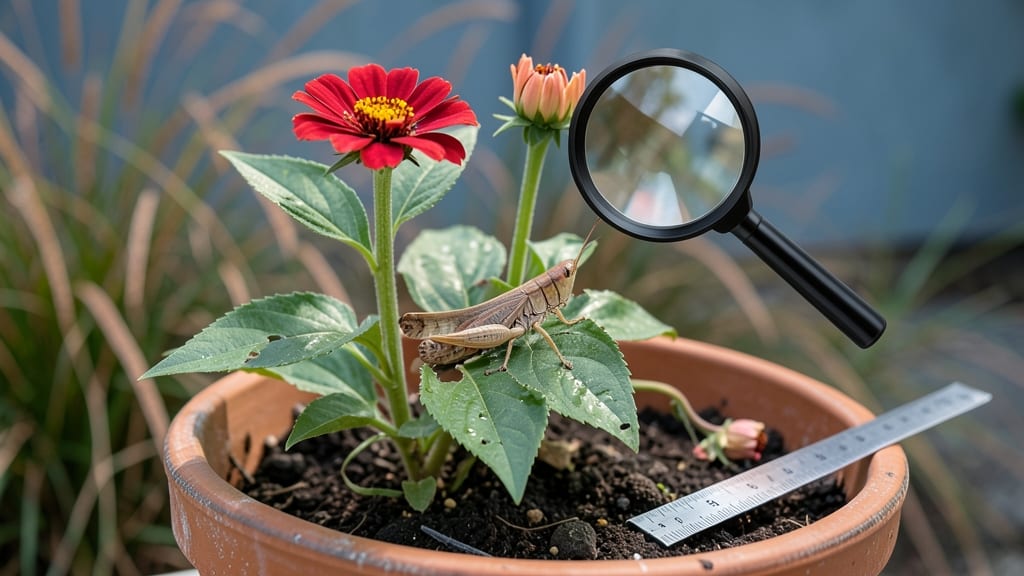
Grasshopper leaf damage turns your thriving plants into skeleton leaves overnight. 🌱 I’ve watched my tomatoes, beans, and even prized roses get stripped down to nothing in days—until I learned the telltale signs and fast fixes that actually work.
The damage isn’t just chewed edges; look for jagged notches along leaf margins, missing chunks, and frass (tiny black pellets) scattered like confetti. Grasshoppers target young, tender growth first, so if you spot this, act fast—these pests multiply like crazy in warm weather.
With the right traps, sprays, and companion plants, you can stop an infestation before it takes over. I’ve tested what works (and what doesn’t) over three summers, and the solutions here are the ones that saved my garden every time.
No more helplessly watching your plants get devoured—here’s how to reclaim your garden, organically or chemically, before the damage spreads beyond repair.
Why it happens
When your garden’s greenery starts looking like a grasshopper buffet, it’s not just bad luck—it’s biology in action. Grasshoppers are voracious herbivores with a taste for tender plant leaves, stems, and even flowers.
But why do they suddenly decide your yard is their personal salad bar? Let’s break down the science—and the triggers—behind their leaf-munching rampage.
🌱 Overpopulation and Ideal Conditions
Grasshoppers thrive when three key factors align: food, warmth, and water. Here’s how your garden might be unwittingly inviting them:
- Abundant Host Plants: Grasshoppers prefer broadleaf plants like beans, corn, grasses, and ornamentals (think roses, lavender, or even young trees). If your yard is a lush, diverse garden, it’s like a five-star restaurant to them. Pro tip: 🌡️ Monitor plant health—stressed or overwatered plants release more sugars, making them even more appetizing.
- Warm, Dry Climates: Grasshoppers are cold-blooded, so they’re most active in temperatures between 75–95°F (24–35°C). Drought conditions can also concentrate them in smaller areas, increasing damage. Watch for: Brown, crispy patches in lawns or fields—this is their happy place.
- Lack of Natural Predators: Birds, spiders, and parasitic wasps keep grasshopper populations in check. But if your area has fewer predators (due to pesticide use, habitat loss, or urbanization), the grasshoppers throw a population party. Actionable fix: Install birdhouses or native plant buffers to attract their enemies.
🍃 Plant Stress Signals Grasshoppers
Grasshoppers aren’t just random snackers—they’re opportunistic and can detect when plants are weak. Here’s how your garden might be sending out “eat me” signals:
| Stress Factor | Why Grasshoppers Love It | How to Fix It |
|---|---|---|
| Overwatering or Underwatering | Soft, mushy leaves (from overwatering) or drought-stressed foliage (from underwatering) are easier to chew and packed with nutrients. | 💡 Water deeply but infrequently (1–2 inches per week) and improve soil drainage. |
| Nutrient Deficiencies | Plants low in nitrogen (e.g., yellowing leaves) or phosphorus (purple stems) become desperate energy sources for grasshoppers. | 🌱 Test soil and amend with compost or balanced fertilizer (10-10-10). |
| Pesticide Overuse | Chemicals can kill beneficial insects (like ladybugs) that compete with grasshoppers for food, leaving your plants defenseless. | ✨ Switch to selective pesticides or use neem oil as a deterrent. |
🐝 Seasonal Swarms and Life Cycles
Grasshoppers don’t just appear out of nowhere—they follow a predictable life cycle that peaks during late summer. Here’s how timing plays a role:
- Nymph Stage (Spring/Summer): Young grasshoppers (nymphs) start small but eat nonstop to grow. They target new growth first, which is softer and more nutritious. Look for: Tiny, irregular holes in leaves.
- Adult Stage (Late Summer): Fully grown grasshoppers can fly up to 20 miles in search of food, making them a mobile disaster for gardens. Peak damage months: July–September.
- Drought-Induced Swarms: If your region experiences prolonged dry spells, grasshoppers may migrate en masse to greener pastures—yours included. Sign of trouble: Suddenly seeing hundreds in one area.
🌍 Human Activity Accelerates the Problem
Sometimes, the issue isn’t nature—it’s us. Unintentional human actions can turn your garden into a grasshopper magnet:
- Lawn Mowing Patterns: Cutting grass too short removes natural barriers and exposes tender new shoots that grasshoppers adore. Solution: Mow high (3–4 inches) to discourage them.
- Monoculture Landscaping: Planting large swaths of the same crop (e.g., a cornfield or vegetable garden) creates a buffet effect. Grasshoppers swarm where food is easy to find.
- Urban Sprawl Encroachment: As wild habitats shrink, grasshoppers move into suburban and urban areas with abundant gardens. Pro tip: Plant diverse, native plants to disrupt their feeding patterns.
Stop Grasshoppers Chewing Leaves
Grasshoppers may seem harmless, but their appetite for your plants can turn your garden into a buffet gone wrong. The good news? You can take action to stop the damage before it spreads.
Here’s how to tackle the problem based on the root cause—whether it’s an infestation, habitat attraction, or seasonal surge—and prevent future attacks.
If your garden is already under siege, the first step is to reduce the grasshopper population quickly. Here’s how:
- 🍳 Set up traps: Use commercial grasshopper traps (like pheromone-based ones) or DIY versions with soapy water and a light source to lure and drown them overnight.
- 👨🍳 Handpick during dawn/dusk: Grasshoppers are sluggish in cooler temps. Wear gloves, shake them into a bucket of soapy water, and dispose of them far from your garden.
- 🔪 Introduce natural predators: Encourage birds (like sparrows or meadowlarks) by adding birdhouses or feeders. Frogs and toads also feast on grasshoppers—create a small pond to attract them.
⏰ Pro tip: Repeat trapping every 3–4 days until you see a noticeable drop in activity (usually 1–2 weeks). Consistency is key!
Grasshoppers thrive in dry, weedy areas. To make your garden less inviting:
- 💡 Mow high and often: Keep grass at 3–4 inches tall to discourage egg-laying. Tall grass hides them and their eggs.
- 🌡️ Reduce mulch near plants: Grasshoppers hide in thick mulch. Use straw or wood chips sparingly, especially around vulnerable seedlings.
- 🎯 Remove weeds and debris: Overgrown areas attract grasshoppers. Clear dead plants, leaf litter, and tall weeds regularly.
- ✨ Add water sources: A shallow dish with water and pebbles can attract beneficial insects (like ladybugs) that prey on grasshoppers.
🔥 Bonus: Plant grasshopper-repellent herbs like mint, basil, or catnip near high-risk plants. The strong scent confuses them!
New growth is the most tempting target. Shield tender plants with these physical barriers and organic sprays:
- 🛡️ Use row covers: Lightweight fabric covers (like floating row covers) block grasshoppers while allowing sunlight and water through. Secure edges with soil or bricks.
- 🍅 Spray with neem oil or insecticidal soap: Mix 1 tsp neem oil or 1 tbsp insecticidal soap per quart of water, then spray leaves early in the morning to avoid harming bees. Reapply every 5–7 days.
- 🌱 Plant sacrificial crops: Let grasshoppers feast on fast-growing, less valuable plants like corn or sunflowers to protect your prized veggies.
⚠️ Warning: Avoid chemical pesticides like malathion—they can harm bees and beneficial insects. Opt for targeted, organic solutions instead.
Grasshoppers lay eggs in soil during late summer/fall. Break their lifecycle with these steps:
- 🔍 Till or aerate soil in fall: Disturb egg beds by lightly tilling or raking garden beds where grasshoppers were active. This exposes eggs to predators and drying.
- 🌱 Plant cover crops: Oats or rye smother egg beds and outcompete grasshopper favorites like alfalfa or clover.
- 🐞 Monitor for nymphs in spring: Check for tiny grasshoppers (nymphs) emerging in May. Act fast—early intervention prevents full-grown jumpers!
💡 Pro tip: Use a soil thermometer to time your tilling. Eggs hatch when soil temps hit 60°F—strike before they emerge!
With a mix of trapping, habitat tweaks, and protective measures, you can reclaim your garden from grasshopper leaf damage. Start today—your plants will thank you!
Frequently asked questions about grasshopper leaf damage
What do grasshopper-damaged leaves look like?
Look for jagged, irregular holes along leaf edges—not clean cuts like snails leave. You’ll also spot tiny black frass (fecal pellets) scattered on leaves and soil. Young plants often get completely skeletonized, while mature leaves show scattered notches. Check undersides too—grasshoppers often hide there.
Are grasshoppers worse at certain times of year?
Yes! Damage peaks July through September when adult grasshoppers are most active. Nymphs (baby grasshoppers) cause early-season damage in May-June, while egg-laying occurs in late summer/fall. Drought years make infestations 10x worse—these pests swarm for water and food.
Will bird feeders actually help control grasshoppers?
Birds like meadowlarks, sparrows, and robins eat grasshoppers voraciously. Place feeders near your garden (but not too close to attract them to your plants). Add a shallow water dish too—birds need water to hunt effectively. Just avoid chemical pesticides first, as they can harm the birds you’re trying to attract.
Can I use dish soap to kill grasshoppers?
Yes, but use it correctly—mix 2 tablespoons of mild dish soap with 1 gallon of water in a spray bottle. Spray directly on grasshoppers (especially nymphs) during early morning when they’re sluggish. Reapply every 3-4 days. The soap breaks down their protective wax layer, causing dehydration. Avoid spraying flowers to protect pollinators.
Why do grasshoppers seem to ignore some plants?
Plants with fuzzy or hairy leaves (like lamb’s ear or Russian sage) or strong scents (mint, lavender, catnip) repel grasshoppers. They also avoid plants with toxic compounds like pyrethrins (found in chrysanthemums) or high silica content (like bamboo). Even plant placement matters—grasshoppers prefer open areas over dense foliage where they’re more visible to predators.