
Pests and Diseases
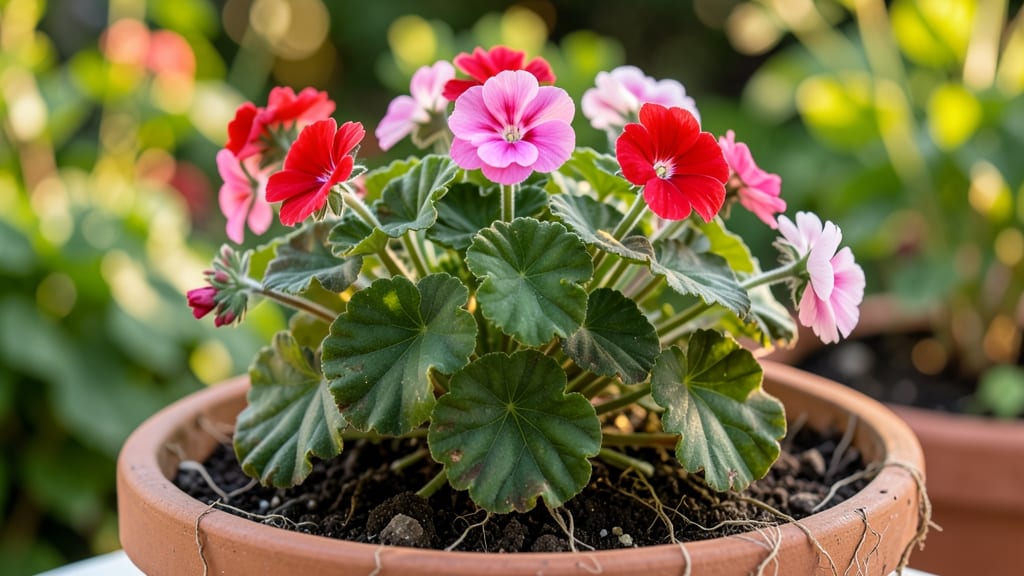
Geranium leaf arrangement transforms your garden into a fragrant, ever-changing masterpiece. 🌸 I’ve spent years experimenting with ways to weave these velvety leaves into borders, containers, and focal points—each arrangement telling its own seasonal story.
The key? Playing with height, texture, and scent to create layers that evolve from spring’s first blush to autumn’s golden glow.
Start with three geranium varieties—tall, medium, and trailing—to build dimension. Pair them with silver foliage like lamb’s ear or dusty miller for contrast, or tuck them beside lavender for a fragrant border.
Containers work best with 5-gallon pots and a cascading mix, while in-ground beds thrive when planted in odd-numbered clusters for natural flow. The secret? Let the leaves do the talking—their scents and colors change with the light, making every season feel fresh.
You’ll end up with a garden that smells like a stroll through a cottage garden but stays low-maintenance and pest-resistant. The right arrangement repels aphids naturally while attracting pollinators, so beauty and function go hand in hand.
Plus, geraniums bloom from early summer until frost, ensuring your design stays vibrant longer than most annuals.
Works in sun-drenched borders, hanging baskets, or as a striking centerpiece in mixed containers. Whether you’re filling gaps in a perennial bed or creating a fragrant pathway, this approach turns geraniums from pretty accents into the stars of the show. Ready to redesign your space?
📚 In This Guide
- What you need
- Instructions
- Tips and common mistakes
- Wrapping up and next steps
What you need
- ● Geranium leaves: 12–20 fresh, healthy leaves (harvest from disease-free plants for best results). Choose Pelargonium varieties like scented geraniums (e.g., rose, lemon, or mint-scented) for fragrance.
- ● Floral preservative: 1 packet or 1 tbsp of commercial preservative (like Floralife) to extend freshness.
- ● Container: A shallow vase, glass bowl, or decorative tray (3–6 inches wide) with a flat base for stability.
- ● Water: Distilled or room-temperature water (avoid tap water with chlorine/fluoride).
- ● Scissors or pruning shears: Sharp, clean tools to trim stems at a 45-degree angle (prevents air bubbles).
- ○ Twine or floral tape: Thin, natural-colored twine to secure leaves in place (optional but helpful for intricate designs).
- ● Decorative elements: Pinecones, dried flowers, or moss for texture (ensure they’re pest-free!).
- ● Essential oils: 2–3 drops of geranium-scented oil (diluted in water) to enhance fragrance.
- ● Chalkboard marker: For labeling your arrangement with care instructions.
- ● Spray bottle: With water to mist leaves and keep them hydrated between changes.
- ● Access to sunlight or a grow light (indirect light for 4–6 hours/day keeps leaves vibrant).
- ● Patience! Geranium leaves last 1–2 weeks with proper care—change water every 2–3 days.
- ● Work in a well-ventilated area to avoid mildew (geraniums love airflow!).
Step-by-Step instructions for crafting fragrant geranium leaf arrangements
Here’s how to transform lush geranium foliage into elegant, long-lasting designs that fill your space with natural perfume.
🌿 Step 1: Select and Prepare the Leaves
Choose healthy, mature geranium leaves—avoid any with yellowing or browning edges, as these won’t hold their scent or color well. I like to harvest leaves in the morning when their essential oils are at their peak. Gently twist or snip the stems at the base to avoid damaging the plant.
Rinse the leaves under cool water to remove dust or debris, then pat them dry with a soft towel. For a uniform look, select leaves of similar size—about 2-3 inches wide. If you’re using scented varieties like Pelargonium graveolens, the fragrance will infuse your arrangement beautifully.
✂️ Step 2: Trim and Shape the Stems
Trim the stems at a 45-degree angle about 1 inch below the leaf cluster. This increases the surface area for water absorption, keeping your arrangement fresh longer. I like to use sharp floral shears for clean cuts—dull blades crush stems and shorten their lifespan.
For a layered look, arrange stems in odd-numbered groups (3, 5, or 7) to create visual balance. Remove any lower leaves that would sit below the waterline in your container—these will rot and spoil the arrangement. If your stems are too long, trim them to 4-6 inches for a compact, elegant display.
🪴 Step 3: Choose and Prepare Your Container
Select a shallow, wide container—ceramic, glass, or even a repurposed wooden tray works well. The container should be just slightly larger than your leaf arrangement to keep the design cohesive. I often use a 6-8 inch diameter dish for small arrangements or a long, narrow tray for linear designs.
Fill the container with 1-2 inches of clean water and add a few drops of floral preservative if available. This prevents bacterial growth and extends freshness. For a rustic touch, line the container with moss or a decorative cloth before adding the leaves—just ensure the stems still have access to water.
🌱 Step 4: Arrange the Leaves for Balance and Texture
Start by placing the largest leaves at the base of the arrangement, gradually working upward to smaller leaves. Fan out the stems slightly to create a natural, organic shape. For a fragrant focal point, cluster the most aromatic leaves in the center—this ensures the scent is concentrated where it’s most noticeable.
Play with overlapping layers to add depth. If using different geranium varieties, alternate their placement for a dynamic mix of colors and scents. Step back occasionally to check your arrangement—it should look full but not crowded. Adjust stems as needed to maintain symmetry.
☀️ Step 5: Maintain and Refresh Your Arrangement
Place your geranium leaf arrangement in a spot with indirect light—direct sunlight can cause leaves to wilt faster. Refresh the water every 2-3 days or when it looks cloudy. Trim any stems that show signs of wilting by snipping just above the next leaf node to encourage new growth.
To revive drooping leaves, recut the stems at a clean angle and place them in fresh, cool water for a few hours. If the scent fades, don’t worry—geranium leaves often regain their fragrance after a quick rinse. With proper care, your arrangement can last 1-2 weeks, filling your space with a natural, uplifting aroma.
Tips & tricks for perfect fragrant geranium arrangements
Between us, these small details make all the difference in how long your arrangement stays fresh—and how fragrant it smells. Here's what nobody tells you about working with geranium foliage.
Leaf Selection Matters: Harvest leaves in the early morning when essential oils are most concentrated, and always choose mature leaves with vibrant color. The 2-3 inch width mentioned in Step 1 is ideal because smaller leaves wilt faster, while larger ones can overwhelm the arrangement. For maximum fragrance, focus on varieties like Pelargonium graveolens—their scent intensifies when fresh. I've found that leaves with slight morning dew clinging to them often have the strongest aroma.
The Angle Game: That 45-degree angle in Step 2 isn't just for looks—it's a water absorption hack. When you cut stems at this angle, you're creating more surface area for the water to travel up the stem. For best results, use sharp floral shears and make the cut just below a leaf node. If you're working with particularly thick stems, you might need to make two angled cuts to create a wider opening without damaging the stem.
Container Size Strategy: The instructions mention using a container just slightly larger than your arrangement, but here's the secret: leave at least 1 inch of space around the edges. This prevents the stems from crowding each other, which can lead to uneven water distribution. For a 6-8 inch diameter dish, aim for an arrangement that fills about 70% of the space. This also gives you room to adjust stems after placing them in water without knocking everything over.
Fragrance Preservation: When arranging your leaves in Step 4, place the most aromatic varieties in the center where they'll be most noticeable. The scent from geranium leaves actually intensifies when they're slightly bruised—gently press the leaves together in the center to release more fragrance. For an extra boost, add a few drops of food-grade essential oil (like lemon or lavender) to the water—it won't overpower the natural scent but will enhance it subtly.
Pro Tips for Geranium Leaf Arrangement
- Between us, these small details make all the difference in how long your arrangement stays fresh—and how fragrant it smells.
- Leaf Selection Matters: Harvest leaves in the early morning when essential oils are most concentrated, and always choose mature leaves with vibrant color.
- The Angle Game: That 45-degree angle in Step 2 isn't just for looks—it's a water absorption hack.
Frequently asked questions
Got questions about crafting your own geranium leaf arrangements?
Here are some of the most common concerns—plus quick, practical solutions to keep your fragrant designs thriving all season long.
How do I preserve geranium leaves for long-lasting arrangements?
To keep geranium leaves fresh, trim stems at an angle and place them in room-temperature water (not cold). Add a splash of bleach-free floral preservative or a pinch of sugar to slow wilting. Change the water every 2–3 days and store arrangements in a cool, shaded spot away from direct sunlight.
How long will a geranium leaf arrangement stay fresh?
With proper care, most geranium leaf arrangements last 7–14 days. Scented varieties like Pelargonium (scented geraniums) may hold their fragrance longer if stored in a sealed container or wrapped in damp paper towels. For extended life, consider drying leaves between layers of newspaper or using a dehydrator.
What should I do if my geranium leaves develop brown spots or pests?
Brown spots often signal fungal issues (like powdery mildew) or overwatering. Isolate affected leaves and treat with a neem oil spray or baking soda solution (1 tsp baking soda + 1 quart water). For pests like aphids or spider mites, rinse leaves with soapy water or introduce beneficial insects like ladybugs.
Can I use geranium leaves in arrangements with other flowers?
Geranium leaves pair beautifully with roses, lavender, or eucalyptus for a fragrant, textured look. Avoid mixing with very delicate flowers (like orchids) since geraniums can overpower their scent. For a modern twist, try combining them with dried flowers or preserved citrus slices.
What’s the best time of year to harvest geranium leaves for arrangements?
Harvest leaves in the early morning after dew has dried but before the heat of the day. Late spring to early summer is ideal, as leaves are lush and fragrant. Avoid harvesting after heavy rain (leaves may be waterlogged) or during extreme heat (they can wilt faster). Store harvested leaves in the fridge for up to 3–5 days if not using immediately.
Pro Tip: For extra-long-lasting arrangements, blanch geranium leaves by briefly dipping them in boiling water, then plunging into ice water. This removes air pockets in the stems, helping them absorb water better!
Wrapping up and next steps
Mastering geranium leaf arrangement is your ticket to transforming ordinary foliage into stunning, fragrant displays that brighten up any space—indoors or out! 🌿 With the right tools, techniques, and a dash of creativity, you’ve got everything you need to craft designs that last all season long.
Whether you’re battling pests, refreshing a wilted plant, or simply elevating your garden’s charm, these tips will keep your geraniums thriving.
Now’s the perfect time to roll up your sleeves and experiment! Start small—try a single pot or a mixed arrangement—and let your green thumb shine. Happy arranging! 🌸