
Pruning
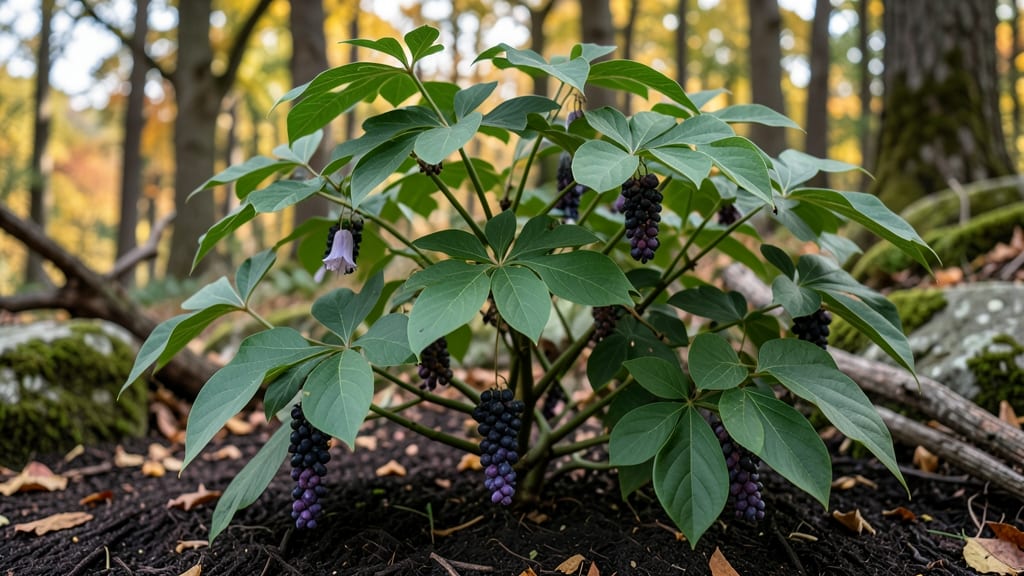
Growing five-leaf akebia fruit means turning a corner of your yard into a fragrant, edible vine wonderland. 🌿 This hardy vine thrives in zones 4-9, producing sweet, grape-like fruit that tastes like a mix of banana and pineapple—plus, it’s drought-tolerant once established.
The key? Pruning at the right time to maximize both fruit production and vine health.
You’ll need a sturdy trellis or fence for support, well-draining soil, and patience—this vine grows aggressively but rewards gardeners with minimal fuss. Plant in spring after the last frost, spacing vines 6-8 feet apart to give them room to climb.
The real magic happens when you prune: heavy pruning in late winter promotes new growth and fruit clusters, while light trimming after harvest keeps the vine manageable.
By summer, you’ll be harvesting clusters of golden fruit that ripen to a deep purple-black. The flavor is unique, and the vine’s glossy leaves add year-round interest. Just watch for powdery mildew in humid climates—spraying neem oil early prevents most issues.
Perfect for edible landscaping, this vine thrives in partial shade and handles urban pollution better than many plants. Start small, and you’ll soon have a vine that feeds you and your neighbors—with almost no effort after the first year.
📚 In This Guide
- What you need
- Instructions
- Tips and common mistakes
- Wrapping up and next steps
What you need
- ● Five-leaf akebia vine – Choose a healthy, disease-free plant (bare-root or potted). Pro tip: Look for vines with at least 3-5 mature canes for better fruiting potential!
- ● Pruning shears – Sharp, bypass-style (avoid dull tools that crush stems). Size: 6-8" blades for precision.
- ● Gloves – Heavy-duty, garden-grade (akebia thorns are serious—think rose-pruning gloves!).
- ● Disinfectant (70% isopropyl alcohol or bleach solution) – Sanitize shears between cuts to prevent disease.
- ○ Pruning sealant (optional but recommended) – Pruning wax to protect large cuts (e.g., 1/4" or wider).
- ● Trellis or support structure – Metal or wooden trellis, 8-10 ft tall (akebia is a vigorous climber!).
- ● Mulch (wood chips or straw) – 2-3" layer around the base to retain moisture and suppress weeds.
- ● Fertilizer – Balanced 10-10-10 or compost (apply in early spring).
- ● Plant tie straps – Soft fabric or rubber to secure vines to trellis.
- ● Harvest basket or mesh bag – Gentle on delicate fruit (akebia berries bruise easily!).
- ● Journal/notebook – Track pruning dates, vine growth, and fruit yield for future reference.
Step-by-step guide for growing five-leaf akebia fruit
Here’s how to cultivate this vigorous vine for a bountiful harvest—no matter your climate zone.
🌱 Step 1: Choose the Right Location and Plant in Spring
Five-leaf akebia thrives in zones 5-9 and needs a sturdy trellis or fence—this vine can climb 20-30 feet if unchecked. Plant in spring after the last frost when soil warms to 60°F. Dig a hole twice as wide as the root ball but only as deep, then loosen the roots gently before placing the plant in.
Mulch heavily with 3-4 inches of organic mulch (like shredded bark) to retain moisture and protect roots from winter cold. I always add a handful of well-rotted compost to the planting hole—this vine loves rich, well-draining soil. Water deeply right after planting to settle the soil around the roots.
☀️ Step 2: Provide Support and Prune for Airflow
Install a strong trellis or arbor immediately—akebia’s tendrils grip tightly, but without support, the plant sprawls and produces fewer fruits. Train the main vine along the trellis, tying it loosely with soft twine every 2-3 feet. Prune back any weak or crossing shoots in early spring to encourage strong new growth.
This vine needs full sun to partial shade—at least 6 hours of direct sunlight daily for best fruiting. In hotter zones (8-9), afternoon shade helps prevent leaf scorch. Watch for yellowing leaves—this usually means too much sun or poor drainage.
✂️ Step 3: Prune Annually for Heavy Harvests
Prune in late winter or early spring before new growth begins. Remove dead, diseased, or weak stems first, then cut back one-third of the oldest wood each year. This keeps the plant vigorous and encourages more fruiting canes. I always prune just above a bud facing outward to maintain an open, airy structure.
In zones 5-6, prune lightly in fall to protect against winter dieback. Avoid heavy pruning after mid-summer—new growth won’t harden off before frost. You’ll see plump, grape-like fruits forming on second-year wood, so prioritize keeping last year’s growth.
🍇 Step 4: Harvest and Maintain Through the Seasons
Fruits ripen in late summer to early fall, turning from green to deep purple-black. Harvest when they’re soft and fragrant—they won’t ripen further off the vine. Wear gloves; the fruits stain easily! Cut clusters with 2-3 inches of stem attached for best flavor. Expect 4-6 weeks of harvest season per plant.
Fertilize lightly in early spring with a balanced 10-10-10 formula—too much nitrogen reduces fruiting. Water deeply once a week during dry spells, but avoid soggy soil. In zones 7-9, reduce watering in fall to prepare for dormancy. Mulch again in late fall to insulate roots.
⏰ Step 5: Winter Care by Climate Zone
In zones 5-6, wrap the trellis and plant base with burlap or frost cloth once temperatures drop below 25°F. Cut back dead or damaged canes in early spring. In zones 7-9, minimal protection is needed—just remove fallen leaves to prevent disease. Prune lightly in late winter to shape the vine for the coming season.
Here’s the thing—akebia’s hardy but not frost-proof. If your zone gets below 0°F, mound 6 inches of mulch around the base for extra insulation. I’ve seen plants recover from -10°F with proper protection, but severe cold can kill back to the ground—just prune back to healthy wood in spring.
Tips & tricks for perfect five-leaf akebia fruit growth
Here's what nobody tells you about growing this exotic vine—these tricks will make all the difference in your harvest.
Support System Matters: I learned this the hard way after watching my first akebia sprawl uncontrollably across my yard. Install your trellis or arbor immediately—even before planting if possible. Use metal or heavy-duty wood since this vine can reach 20-30 feet and weighs more than you'd expect. The key is training the main vine along the trellis using soft twine every 2-3 feet—this creates proper airflow and prevents disease.
Pruning Precision: When pruning in late winter or early spring, focus on cutting back one-third of the oldest wood each year. This might seem counterintuitive, but it's what encourages new fruiting canes. I always look for second-year wood where the fruits form—these are the canes you want to preserve. Use sharp pruners and make clean cuts just above an outward-facing bud to maintain an open structure that catches sunlight.
Zone-Specific Sunlight: The 6 hours of direct sunlight requirement is non-negotiable for fruiting, but how you position your plant matters by zone. In cooler zones (5-6), morning sun with afternoon shade works best. In hotter zones (8-9), provide afternoon shade to prevent leaf scorch. I've noticed yellowing leaves often indicate too much sun—adjust your trellis position if this happens.
Winter Protection Hacks: For zones 5-6, I've found that wrapping the trellis and plant base with burlap or frost cloth at 25°F adds an extra layer of protection. But here's the real trick: mound 6 inches of straw mulch around the base when temperatures drop below 0°F. This insulation has saved my plants from -10°F temperatures. In spring, remove any dead canes but leave last year's growth—this is where your fruits will form.
Pro Tips for Five Leaf Akebia Fruit
- Here's what nobody tells you about growing this exotic vine—these tricks will make all the difference in your harvest.
- Support System Matters: I learned this the hard way after watching my first akebia sprawl uncontrollably across my ya...
- Pruning Precision: When pruning in late winter or early spring, focus on cutting back one-third of the oldest wood ea...
Frequently asked questions
Got questions about growing and harvesting five-leaf akebia fruit?
Here are answers to the most common ones—from climate concerns to troubleshooting—so you can maximize your harvest with confidence!
What’s the best climate zone for growing five-leaf akebia?
Five-leaf akebia thrives in USDA Hardiness Zones 6-9, where it can handle mild winters and warm summers. In colder zones (Zone 5), plant it against a south-facing wall or use winter mulch to protect roots. Avoid frost-prone areas—this vine needs consistent warmth to produce fruit!
When should I prune akebia for the best fruit yield?
Prune in late winter or early spring (before buds swell) to shape the vine and encourage fruit production. For heavy harvests, also do a light summer pruning (after fruiting) to remove dead wood and redirect energy. Never prune in fall—it can stunt growth before winter!
How do I know when five-leaf akebia fruit is ripe?
Ripe fruit turns deep purple-black and feels slightly soft when gently squeezed. It should also detach easily from the vine—if it’s still stubborn, wait 1-2 more days. Unripe fruit is hard and green; overripe fruit may split or attract pests. Harvest in batches for the best flavor!
Why isn’t my akebia producing fruit, even after years of growth?
Common culprits: lack of sunlight (needs 6+ hours daily), poor pruning (overcrowded canes), or immature vines (wait 2-3 years for first fruit). Check for pests (like aphids) and ensure the vine has a sturdy trellis or support. Male and female flowers must pollinate—if no fruit appears, plant a second vine nearby!
Can I grow five-leaf akebia in containers?
Yes! Use a large container (15+ gallons) with drainage holes and a well-draining potting mix. Choose a fast-growing variety and prune aggressively to control size. Place in full sun and fertilize monthly during growing season. Note: Containers limit root spread, so expect smaller harvests than in-ground plants.
Wrapping up and next steps
Growing five-leaf akebia fruit is a rewarding journey that blends patience with nature’s bounty—especially when you align your pruning with your climate zone. By mastering the seasonal calendar and techniques shared here, you’ll unlock heavier harvests and a thriving vine. 🌱✨
Ready to take the next step? Start small: pick one pruning task from this guide and observe how your vine responds. Over time, refine your approach, and soon, you’ll be savoring those sweet, grape-like fruits—all thanks to your green thumb and a little strategic pruning!