
Pests and Diseases
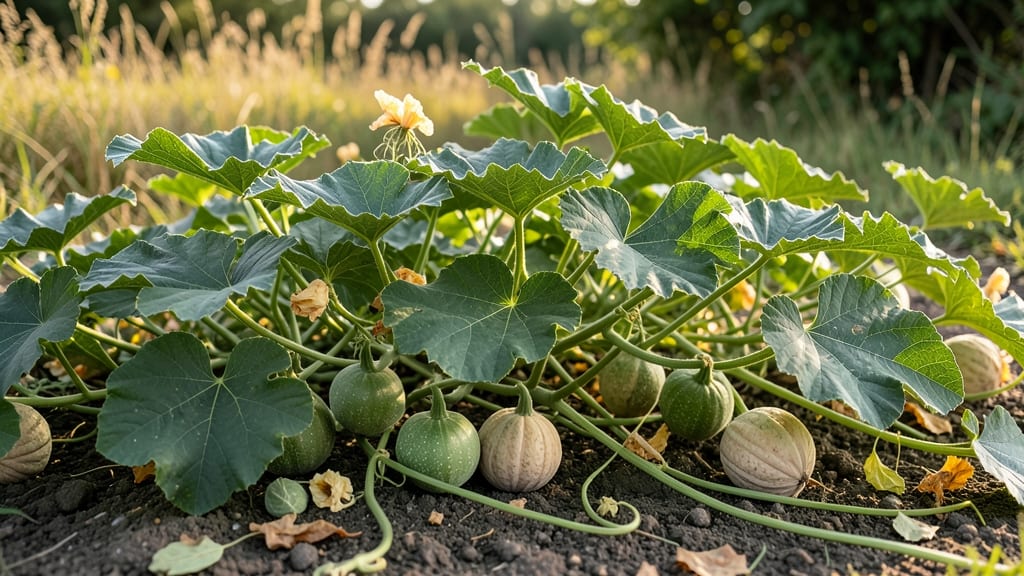
Growing fig leaf gourds transforms your garden into a lush tropical paradise with bold, heart-shaped leaves that steal the show. 🌿 These fast-growing vines thrive in warm climates, but with the right care, they’ll flourish even in short-season zones—just give them a head start indoors or extend their season with row covers.
The secret isn’t just their dramatic foliage; it’s how effortlessly they adapt to containers, trellises, or sprawling garden beds.
Start with seeds or slips, but here’s the trick: fig leaf gourds love heat and hate soggy soil. Plant them in well-draining mix with a touch of compost, and place them where they’ll get at least 6-8 hours of sunlight daily.
Water deeply but infrequently—think 1-2 inches per week—and watch those vines climb like crazy. A light feeding with balanced fertilizer every 4-6 weeks keeps them lush without overpowering their natural vigor.
By midsummer, your vines will be 10-15 feet long, their leaves reaching 12 inches wide—perfect for dramatic backdrops, living walls, or even fragrant shade. Harvest the edible gourds (yes, they’re delicious!) when they turn golden, or let them mature for storage.
The real magic? These plants double as a pest deterrent, their strong scent repelling unwanted critters while attracting pollinators.
Even in cooler climates, a 4-6 week head start indoors ensures a thriving vine. Prune sparingly to encourage bushier growth, and don’t worry if they flop—just guide them with stakes or trellises. Whether you’re growing for show or harvest, fig leaf gourds are the easy, high-impact vine every garden needs.
📚 In This Guide
- What you need
- Instructions
- Tips and common mistakes
- Wrapping up and next steps
What you need
- ● Fig Leaf Gourd Seeds – 5–10 seeds (or 2–3 starter plants if purchasing young vines). Choose heirloom varieties like Cucurbita ficifolia for best results.
- ● Well-draining potting mix – 2–3 gallons (for seedlings) or loamy garden soil (amended with compost for mature plants). Aim for a pH of 6.0–7.0.
- ● Organic compost or aged manure – 1–2 cups per planting hole (rich in nitrogen for leafy growth).
- ● Mulch (straw or wood chips) – 2–3 inches thick to retain moisture and suppress weeds.
- ● Garden trowel or spade – For planting seeds or transplanting seedlings.
- ● Watering can or hose with a gentle spray nozzle – Fig leaf gourds need consistent moisture but hate soggy roots.
- ● Trellis or sturdy fence – Vines can grow 10–20 feet long! Opt for a 5–6 foot tall structure for manageable support.
- ● Pruning shears – To trim excess vines and encourage bushier growth.
- ○ Fertilizer (balanced 10-10-10 or compost tea) – Optional but helpful for vigorous growth. Apply every 4–6 weeks.
- ● Warm climate or long growing season – Fig leaf gourds thrive in USDA Zones 9–11. In cooler zones, start seeds indoors 6–8 weeks before last frost.
- ● Full sun exposure – 6+ hours of direct sunlight daily for optimal growth.
- ● Patience! – Germination takes 7–14 days, and full maturity (edible fruits) can take 120–150 days.
Step-by-step instructions for cultivating fig leaf gourds
Here’s the method I’ve used to grow these dramatic vines—tough as nails but stunning in any garden.
🌱 Step 1: Choose the Perfect Planting Spot
Fig leaf gourds thrive in full sun to partial shade, with at least 6-8 hours of direct sunlight daily. I plant mine against a sturdy trellis or fence where they can climb 10-15 feet—their large, glossy leaves create an instant tropical backdrop. If your summers are scorching, provide afternoon shade to prevent leaf scorch, especially in the first few weeks after transplanting.
The key is well-draining soil—these vines hate soggy roots. Amend heavy clay with compost or aged manure to improve aeration. I always test soil pH first; fig leaf gourds prefer a slightly acidic to neutral range (6.0-7.0). If your soil is alkaline, mix in sulfur or pine needles to adjust naturally over time.
🌿 Step 2: Plant Seeds or Transplants at the Right Time
Start seeds indoors 8-10 weeks before your last frost date in biodegradable pots—they dislike root disturbance. Press seeds ½ inch deep in warm (70-80°F) soil and keep them moist until germination, which takes 10-20 days. Once seedlings have 2-3 true leaves, harden them off by gradually exposing them to outdoor conditions over 7-10 days before transplanting.
If using transplants, wait until soil temperatures reach 65°F—cold soil slows growth and invites rot. Space plants 3-4 feet apart to give their sprawling vines room. I bury the stems slightly deeper than they were in their nursery pots; this encourages stronger root development and stability for their heavy foliage.
☀️ Step 3: Provide Support and Encourage Climbing
Fig leaf gourds are vigorous climbers, but their large leaves need sturdy support. Install a trellis, arbor, or strong fence before planting—these vines can’t be moved once established. I use galvanized wire mesh or bamboo stakes tied with twine for a rustic look. Train the main vine along the support, tying it loosely with soft garden twine every 2-3 feet to prevent stem damage.
Prune aggressively in early spring to shape the vine and remove weak growth. Pinch back leggy stems to encourage bushier foliage. The goal is a balanced canopy—too much shade on the lower leaves leads to mildew. Watch for yellowing leaves, which signal overwatering or poor drainage. Adjust your watering if the soil stays damp for more than 24 hours after watering.
💧 Step 4: Water and Fertilize for Lush Growth
Water deeply once a week, aiming for 1-1.5 inches of water per session. Fig leaf gourds are drought-tolerant once established, but their large leaves transpire quickly in heat. I water at the base of the plant in the morning to reduce fungal risks. Mulch with 2-3 inches of organic mulch (like straw or shredded leaves) to retain moisture and suppress weeds—just keep it 6 inches away from the stem to prevent rot.
Feed with a balanced, organic fertilizer (like 10-10-10) every 4-6 weeks during the growing season. I switch to a low-nitrogen, high-phosphorus fertilizer (like 5-10-10) when flowers appear to encourage fruit set. Over-fertilizing leads to lush foliage but fewer gourds, so follow the package rates precisely. Stop fertilizing 6-8 weeks before your first frost to harden off the plant for winter.
✂️ Step 5: Harvest and Overwinter for Next Year
Fig leaf gourds produce ornamental gourds in late summer to fall. Harvest when the fruits are fully mature and hard—they won’t ripen further off the vine. Cut stems with clean pruners, leaving 1 inch of stem attached to preserve the gourd’s shape. Cure them in a dry, shaded area for 2-3 weeks before storing in a cool, dark place for up to 6 months. I display mine in baskets or hang them as natural decorations.
In colder climates, cut back the vine to ground level after the first frost. The roots are hardy in USDA zones 9-11; in colder zones, dig up the tubers in fall, store them in sand or peat moss, and replant in spring. I’ve found that mulching heavily with straw or leaves can protect the roots through mild winters, but frost will still kill the aerial parts. Even if the vine dies back, it often regrows from the roots the following spring.
Tips & tricks for growing stunning fig leaf gourds
These pro-level insights will help you cultivate those dramatic, tropical vines without the common pitfalls.
Sunlight Strategy: While fig leaf gourds thrive in full sun, I've learned that the 6-8 hours of direct sunlight should be spread throughout the day—not just concentrated in morning hours. In my experience, morning sun builds energy, but afternoon light prevents leaf scorch. If your summers are brutal, consider installing a shade cloth (30-50% coverage) during peak afternoon heat. The goal is to maintain that lush, glossy foliage without stressing the plant.
Germination Hack: The 10-20 days germination window can feel like an eternity, but I've found that pre-soaking seeds in warm water for 8-12 hours before planting cuts that time nearly in half. Use a heat mat set to 80°F to maintain consistent warmth—this mimics tropical conditions and encourages faster sprouting. Just be patient; these seeds need time to break dormancy. Once they germinate, keep the soil consistently moist but never soggy during those first critical weeks.
Support System: I can't stress enough how important that 10-15 feet of climbing space is. The large leaves create significant wind resistance, so your trellis needs to be sturdy enough to handle 100+ pounds of foliage. I recommend using 3-inch galvanized metal pipes buried 2 feet deep for the most stability. For a more decorative look, combine bamboo stakes with heavy-duty twine—just be prepared to reinforce it as the vine grows. The first 2-3 feet of growth are particularly vulnerable to wind damage.
Fertilizer Timing: The switch to low-nitrogen, high-phosphorus fertilizer when flowers appear is crucial for fruit set, but timing matters. I've found that applying this fertilizer 2-3 weeks before the first flowers appear gives the plant time to process the nutrients. Over-fertilizing at this stage can actually reduce flowering. Also, always water thoroughly after applying fertilizer to prevent root burn—these vines are sensitive to salt buildup in the soil.
Pro Tips for Fig Leaf Gourd
- These pro-level insights will help you cultivate those dramatic, tropical vines without the common pitfalls.
- Sunlight Strategy: While fig leaf gourds thrive in full sun, I've learned that the 6-8 hours of direct sunlight should be spread throughout the day—not just concentrated in morning hours.
- Germination Hack: The 10-20 days germination window can feel like an eternity, but I've found that pre-soaking seeds in warm water for 8-12 hours before planting cuts that time nearly in half.
Frequently asked questions
Got questions about growing and caring for fig leaf gourds? You’re not alone! Here are answers to the most common queries from gardeners just like you.
How long does it take for fig leaf gourds to grow and produce fruit?
Fig leaf gourds typically take 3–5 months to mature from seed to full vine growth, with fruit appearing in 4–6 months under ideal conditions. In warmer climates (zones 9–11), they may flower and fruit faster—sometimes within just 3 months! Patience is key, as these vines love to establish themselves first.
What pests or diseases should I watch out for?
Common threats include aphids, spider mites, and powdery mildew. To prevent issues:
- Spray vines with neem oil or insecticidal soap at the first sign of pests.
- Ensure good airflow to reduce mildew—prune crowded foliage.
- Check leaves daily for holes or webbing (early signs of mites).
Can fig leaf gourds survive winter, or do I need to dig them up?
In cold climates (zones 7 and below), treat fig leaf gourds as annuals—they won’t survive frost. Before the first freeze:
- Cut vines back to 6 inches and mulch heavily.
- Or, dig up the roots, pot them, and overwinter indoors near a sunny window.
Are fig leaf gourds edible, or are they just ornamental?
While not commonly eaten in the U.S., the young fruit and leaves are edible in some cultures! The skin is tough when mature, but:
- Peel and blanch young gourds (like okra) for a mild, crunchy texture.
- Leaves can be cooked like spinach—just remove the fibrous stems first.
- Always test a small amount first, as taste varies by variety.
What can I plant near fig leaf gourds for a thriving companion garden?
Fig leaf gourds thrive with companion plants that deter pests and improve growth:
- Marigolds (repel nematodes and aphids).
- Basil or oregano (enhance flavor if you’re harvesting leaves).
- Avoid planting near potatoes or fennel—they can stunt growth.
Wrapping up and next steps
Growing fig leaf gourds is a rewarding way to add tropical flair and natural beauty to your garden while keeping pests and diseases at bay. 🌿 With the right care—like choosing disease-resistant varieties, maintaining proper spacing, and staying vigilant for early signs of trouble—you’ll enjoy lush vines and stunning foliage year after year.
Ready to level up your garden? Start by planting a few fig leaf gourds this season and watch your space transform into a vibrant, low-maintenance paradise. Happy gardening! 🌟