
Flowers
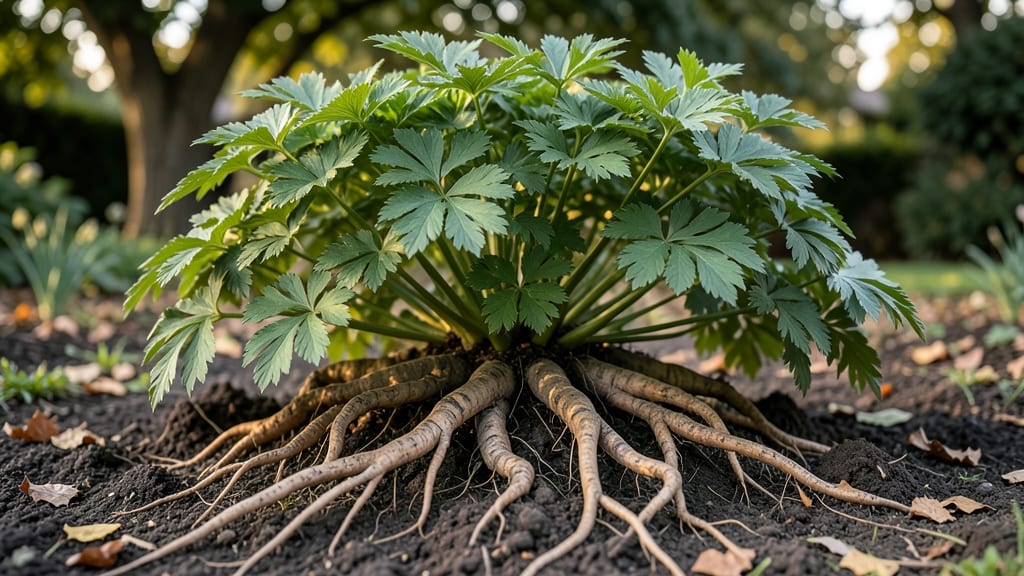
Fern leaf peony roots bring lush, fragrant blooms that outlast most garden seasons—once you plant them right. 🌿 I’ve dug up struggling peonies time and time again, and the difference between thriving clumps and sad, sparse growth always comes down to how (and when) you handle those roots.
The secret? Planting them shallow enough so they don’t suffocate, spacing them just wide enough to breathe, and giving them the right soil mix from the start.
These roots need loose, well-draining soil mixed with compost—think of it like giving them a fluffy blanket instead of a tight hug. Plant them in early fall or late winter when the ground is workable but not frozen, and keep them no deeper than 2 inches below soil level.
Too deep, and you’ll choke their growth; too shallow, and they’ll bake in summer heat. Most gardeners mess this up by following old rules about "eyebrow depth"—peony roots hate that.
Within 2-3 years, you’ll see those classic bowl-shaped blooms popping up from late spring through summer, with minimal pruning needed. The foliage stays deep green and healthy if you avoid overwatering (they’re drought-tolerant once established), and dividing clumps every 4-5 years keeps them blooming stronger.
That’s the magic of fern leaf peonies—they reward patience with years of effortless beauty.
Whether you’re planting a single root or a whole border, the key is timing and soil. Skip the guesswork with these steps, and you’ll have peonies that outshine the rest of the garden—with almost no upkeep. Let’s get those roots in the ground the right way.
📚 In This Guide
- What you need
- Instructions
- Tips and common mistakes
- Wrapping up and next steps
What you need
- ● Fern leaf peony roots: 1-3 healthy, dormant roots (available from nurseries or online plant sellers in early spring or fall)
- ● Choose roots with at least 3-5 eyes (buds) and no signs of rot or damage
- ● Well-draining soil: 1 bag (1 cubic yard) of garden loam or peony-specific soil mix
- ○ Optional: Amend with compost (1 part compost to 3 parts soil) for extra nutrients
- ● Planting location: Full sun to partial shade (6+ hours of sunlight daily)
- ● Space 2-3 feet apart between plants for optimal growth
- ● Basic gardening tools: 1 hand trowel or garden spade
- ● 1 pair of pruning shears (for cleanup)
- ● 1 watering can or hose with a gentle spray nozzle
- ● Mulch: 2-3 inches of organic mulch (e.g., straw, wood chips, or shredded bark)
- ● Fertilizer: 1 slow-release granular fertilizer (10-10-10 ratio) or compost tea for a natural boost
- ● Soil pH tester: Ensures your soil is slightly acidic to neutral (6.0-7.0)
- ○ Plant support: A small stake (optional, if your garden has strong winds)
- ● Drip irrigation system: For consistent moisture without overwatering
Step-by-step guide to planting and caring for fern leaf peony roots
Here's how to establish these stunning perennials for decades of low-maintenance blooms.
🪴 Step 1: Choose the Perfect Planting Location
Fern leaf peonies thrive in full sun to partial shade, needing at least 6 hours of direct sunlight daily. I always select a spot with morning sun and afternoon shade—this prevents leaf scorch while ensuring robust blooms. The soil should drain well but retain moisture; peonies despise soggy roots.
Test your soil's drainage by digging a 12-inch deep hole. If water pools after 30 minutes, amend with 1-2 inches of coarse sand or perlite mixed into the native soil. Peonies also appreciate slightly acidic to neutral soil (pH 6.5-7.5). A simple soil test kit confirms your pH before planting.
🌱 Step 2: Plant Roots at the Correct Depth and Spacing
Dig holes 18-24 inches apart—this gives mature plants room to spread without crowding. The "eyes" (buds) on the root should sit 2 inches below the soil surface. Planting too deep delays blooming; too shallow risks frost damage. I mark the planting depth with a pencil on the shovel before digging.
Place the root in the hole with the eyes facing upward, then backfill with native soil mixed with 2-3 inches of compost. Water deeply to settle the soil, then add a 2-inch layer of mulch around the base (but not touching the crown). This protects roots from temperature swings and retains moisture.
☀️ Step 3: Water Established Plants Strategically
Newly planted peonies need 1 inch of water weekly during the first growing season, more in extreme heat. I water deeply at the base—never overhead—to prevent fungal diseases. Once established (after 2-3 years), peonies tolerate drought better but still bloom most prolifically with consistent moisture.
Watch for wilting leaves as your signal to water. Fern leaf peonies show stress by drooping slightly before wilting, giving you a clear cue. Mulch helps maintain even moisture, but check soil 2 inches deep—if it's dry, water thoroughly until it's damp but not soggy.
✂️ Step 4: Prune Minimally for Year-Round Interest
Unlike other peonies, fern leaf varieties keep their foliage through winter, adding texture to the garden. I remove only dead or diseased stems in early spring, cutting them back to the ground. Never prune healthy stems—fern leaf peonies bloom on old wood, so aggressive pruning reduces next year's flowers.
After blooming, I trim spent flowers back to the first set of healthy leaves. This encourages bushier growth and prevents seed formation, which drains the plant's energy. A light cleanup in late fall removes any remaining debris, keeping the planting area tidy.
⏰ Step 5: Fertilize Lightly for Long-Term Health
Peonies dislike rich soil—they prefer lean conditions. In early spring, I sprinkle 1/4 cup of 5-10-10 fertilizer around each plant, then water it in. This gives a gentle boost without encouraging excessive foliage at the expense of blooms. Avoid high-nitrogen fertilizers—they produce lush leaves but fewer flowers.
I also top-dress with 1 inch of compost annually in early spring. This improves soil structure over time without overwhelming the plant. Fern leaf peonies are forgiving, but too much fertilizer leads to weak stems that flop under heavy blooms.
Tips & tricks for perfect fern leaf peony planting
These simple strategies will help you establish healthy, thriving fern leaf peonies that reward you with years of stunning blooms.
Sunlight Strategy: While fern leaf peonies tolerate partial shade, I've found they produce their most vibrant blooms when planted in locations with morning sun and afternoon shade. This balance prevents leaf scorch while ensuring robust flower development. If your garden receives intense afternoon sun, consider planting near a structure that provides natural shade during those critical hours.
Planting Depth Precision: The 2-inch depth for the "eyes" (buds) is non-negotiable—planting too deep delays blooming for years, while planting too shallow risks frost damage. I always use a pencil to mark the correct depth on my shovel before digging. This visual cue prevents common mistakes when working with multiple plants. For extra insurance, I place a small stone at the 2-inch mark in the hole before positioning the root.
Watering Wisdom: That 30-minute drainage test is your best friend for determining soil amendments. If water pools after 30 minutes, you know you need to add sand or perlite to improve drainage. I've learned the hard way that soggy roots lead to root rot, which can kill peonies within weeks. A well-draining soil structure is more important than any other factor for long-term peony health.
Fertilizer Timing: The annual 1-inch compost top-dressing is my secret weapon for maintaining healthy peonies without overfeeding. I apply this in early spring after the first signs of new growth appear. This timing ensures the nutrients are available when the plant needs them most, without encouraging excessive foliage growth that can weaken the stems and reduce flowering.
Pro Tips for Fern Leaf Peony Roots
- These simple strategies will help you establish healthy, thriving fern leaf peonies that reward you with years of stunning blooms.
- Sunlight Strategy: While fern leaf peonies tolerate partial shade, I've found they produce their most vibrant blooms when planted in locations with morning sun and afternoon shade.
- Planting Depth Precision: The 2-inch depth for the "eyes" (buds) is non-negotiable—planting too deep delays blooming for years, while planting too shallow risks frost damage.
Frequently asked questions
Got questions about growing and caring for fern leaf peony roots? You’re not alone! Here are some of the most common queries—and their answers—to help you cultivate stunning, low-maintenance blooms all year round.
How do I know if my fern leaf peony roots are healthy before planting?
Healthy roots should be firm, plump, and free of soft spots, mold, or dark discoloration. Look for multiple buds (eyes) along the roots—each one is a potential growth point. If the roots feel shriveled or smell foul, soak them in lukewarm water for 2–3 hours to rehydrate before planting. Avoid roots with signs of rot or pest damage.
When is the best time to plant fern leaf peony roots for year-round blooms?
The ideal planting window is early spring (just as new growth begins) or early fall (6–8 weeks before the first frost). Planting in spring gives roots time to establish before summer heat, while fall planting allows them to root before winter dormancy. Avoid planting in extreme heat or cold—roots struggle to adapt under stress.
Can I grow fern leaf peonies in containers, or do they need garden soil?
Yes! Fern leaf peonies thrive in large containers (at least 12–18 inches deep) with well-draining soil mixed with compost. Use a pot with drainage holes and replant every 2–3 years to refresh the soil. Just ensure they get 6+ hours of sunlight daily—even container plants need bright light to bloom reliably.
How much pruning do fern leaf peonies really need for minimal effort?
Minimal pruning is key! Trim back dead or yellowed foliage in early spring and cut back spent blooms to the first set of healthy leaves after flowering. Avoid heavy pruning—fern leaf peonies bloom on new wood, so aggressive cuts can reduce next year’s flowers. A light tidy-up keeps them looking neat without sacrificing blooms.
What pests or diseases should I watch for with fern leaf peony roots?
Keep an eye out for apeworms (tiny white grubs that chew roots) and powdery mildew (white fungal spots on leaves). To prevent pests, mulch around plants to deter grubs and space them for airflow. If mildew appears, spray with a neem oil solution or fungicide. Healthy soil and proper watering (avoid overhead watering) go a long way in prevention!
Pro Tip:
For extra-long blooms, fertilize lightly with a balanced 10-10-10 formula in early spring and mid-summer. Over-fertilizing can lead to leafy growth at the expense of flowers—so go easy!
Wrapping up and next steps
Fern leaf peony roots are a game-changer for gardeners craving low-maintenance beauty with year-round appeal! Their hardy nature, minimal pruning needs, and stunning foliage make them a must-have for any garden.
Whether you're a seasoned green thumb or just starting, these roots offer effortless elegance—just plant, nurture, and enjoy the rewards.
Ready to transform your garden? Take the next step: Pick your fern leaf peony roots, find the perfect spot, and give them the love they deserve. Your dream garden is just a few clicks (or shovels) away! 🌿✨