
Diseases
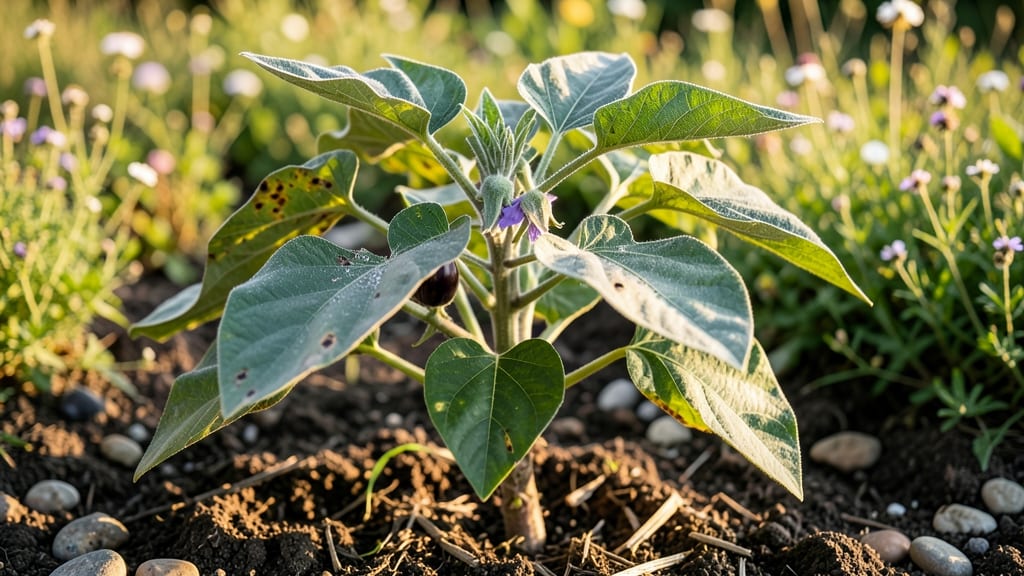
When your eggplant leaves develop strange spots, streaks, or rot, it’s not just cosmetic—it’s a cry for help. 🌱 These eggplant leaf diseases pictures often reveal telltale patterns that can turn a thriving plant into a shadow of itself, but knowing the signs means you can act fast.
From powdery white coatings to sunken brown patches, each symptom tells a different story about what’s attacking your crop. The most common culprits are fungal infections like early blight or bacterial wilt, which thrive in warm, humid conditions.
I’ve seen my own plants go from healthy and glossy to spotted and wilted in just a few days—usually after a heavy rain or overcrowded beds. The good news? Most of these issues respond well to early intervention, whether it’s adjusting watering habits or applying targeted treatments.
By the end of this guide, you’ll recognize the exact patterns to watch for and know how to stop them before they spread. We’re talking savable harvests, not lost seasons. The key is acting before the disease moves from leaves to fruit, where it’s harder to treat.
Prevention starts with spacing plants properly, removing infected foliage immediately, and choosing disease-resistant varieties. Even if you’ve already spotted trouble, there’s still time to turn things around—let’s get to the solutions.
Root Causes Of Leaf Troubles
Eggplant leaves don’t just turn spotty or wilt for no reason—there’s always a specific trigger lurking behind the damage. Understanding these causes is the first step to saving your plants.
Below, we break down the most common culprits, from microscopic invaders to environmental missteps, and explain why they target your eggplants like a buffet.
Fungi are the #1 cause of eggplant leaf diseases, thriving in warm, damp conditions. These microscopic organisms don’t just appear—they wait for the perfect moment to strike. Here’s how:
- High Humidity + Warmth = Fungal Party
Fungi like Alternaria and Septoria love temperatures between 75–85°F (24–29°C) and 90%+ humidity. If your garden is a sauna after rain or irrigation, spores land, germinate, and feast on your leaves within 48 hours.
- Poor Air Circulation = Fungal Highways
Overcrowded plants create stagnant air, trapping moisture on leaves. Fungal spores hitchhike on water droplets, spreading from leaf to leaf like a game of microbial hopscotch. Powdery mildew, for example, forms a white, dusty film because its spores germinate and spread via wind and water.
- Old or Damaged Leaves = Open Invitation
Fungi exploit weak spots—think tears, insect bites, or yellowing leaves. Once they breach the leaf’s defenses, they release enzymes that break down plant tissue, causing necrotic (dead) spots or lesions.
💡 Pro Tip: Fungi can’t survive extreme conditions. Drenching soil with copper fungicide or baking soda spray (1 tsp baking soda + 1 quart water + a drop of dish soap) disrupts spore germination.
Insects don’t just eat your eggplant leaves—they create wounds that invite diseases. Here’s how pests turn your plants into a disease buffet:
- Chewing Insects (Aphids, Caterpillars, Flea Beetles)
These critters bite or chew leaves, leaving open sores where bacteria (like Xanthomonas) or fungi can colonize. For example, aphids excrete honeydew, a sticky residue that feeds sooty mold fungi, turning leaves black.
- Sucking Insects (Spider Mites, Whiteflies)
These pests pierce plant cells to suck sap, weakening leaves and making them susceptible to viral infections. Their saliva contains toxins that disrupt the plant’s immune response, leaving it defenseless.
- Nematodes: The Underground Saboteurs
These microscopic worms live in the soil and penetrate roots, causing stunted growth and yellowing leaves. A weakened root system can’t absorb nutrients, leading to nutrient deficiencies that stress the plant—making it an easy target for diseases.
🔥 Action Step: Use neem oil or insecticidal soap to smother pests before they cause damage. Row covers can also block flying insects like whiteflies.
Your eggplant’s environment isn’t just background noise—it’s a disease accelerator. Extreme or inconsistent conditions force plants into survival mode, weakening their defenses. Here’s how:
- Temperature Swings
Eggplants thrive in 70–85°F (21–29°C). Sudden drops below 50°F (10°C) or heatwaves above 90°F (32°C) shock the plant, causing chlorosis (yellowing) and necrosis (browning). Weakened leaves can’t fight off pathogens.
- Overwatering or Poor Drainage
Soggy soil drowns roots and creates anaerobic conditions, where root rot fungi (Pythium, Phytophthora) thrive. Waterlogged leaves also trap moisture, perfect for foliar diseases like early blight.
- Nutrient Imbalances
A lack of nitrogen = pale, weak leaves (easy prey for fungi). Too much phosphorus = purple stems (a sign of stress). Magnesium deficiency = interveinal chlorosis (yellowing between veins), making leaves vulnerable to pathogens.
- Contaminated Water or Soil
Using untreated water (from ponds or standing rain barrels) can introduce bacterial or fungal spores. Reusing infected plant debris in compost recycles pathogens back into your soil.
🌡️ Quick Fix: Mulch with straw to regulate soil temperature and improve drainage. Test soil pH (6.0–6.8 is ideal) and amend with compost for balanced nutrients.
Just like humans, plants have an immune system. But when eggplants are genetically susceptible or chronically stressed, their defenses crumble. Here’s why:
- Genetic Vulnerability
Some eggplant varieties are bred for disease resistance, while others are sitting ducks. For example, ‘Black Beauty’ is prone to verticillium wilt, a fungal disease that clogs xylem vessels, cutting off water and nutrients.
- Chronic Stress (Drought, Transplant Shock, Over-Fertilizing)
Stressed plants produce more sugars in their leaves, which attract pests and fungi. Transplant shock (from moving seedlings) delays recovery, leaving them defenseless for weeks.
Fixing Common Eggplant Leaf Issues
Now that you’ve identified the problem plaguing your eggplant leaves, it’s time to take action! The good news? Most leaf diseases and pests can be managed—sometimes even reversed—with the right approach.
Below, we’ll break down practical solutions tailored to each cause, from quick fixes to long-term prevention. Grab your gloves and let’s get those leaves back to their healthy, vibrant selves!
Fungal infections like early blight, late blight, and powdery mildew thrive in damp, warm conditions. The key is to cut off moisture, improve airflow, and apply targeted treatments before the disease takes over.
🍳 Treat Early Blight & Late Blight
- Remove Infected Leaves Immediately
- Snip off yellowing or spotted leaves with clean shears (don’t compost them—dispose of them in the trash).
- Pro tip: 💡 Sterilize your pruners with rubbing alcohol between cuts to avoid spreading spores.
- Apply Copper or Fungicide Sprays
- Organic option: Use a copper fungicide (like copper sulfate) or a baking soda spray (1 tsp baking soda + 1 quart water + a drop of dish soap).
- Chemical option: Spray with chlorothalonil or maneb as a last resort (follow label instructions).
- Best time to spray: 🌡️ Early morning or evening when humidity is high but leaves are dry.
- Improve Air Circulation
- Space plants 18–24 inches apart and prune lower leaves to allow sunlight and air to reach the center of the plant.
- Avoid overhead watering—use a drip irrigation system or water at the base.
- Rotate Crops & Solarize Soil
- Plant eggplants in a different spot next season (fungi can survive in soil for years).
- Solarize the soil in late summer by covering it with clear plastic for 4–6 weeks to kill fungal spores.
👨🍳 Tackle Powdery Mildew
- Wash Leaves with Soapy Water
- Mix 1 tsp mild dish soap + 1 quart water and spray on leaves every 3–5 days until spores disappear.
- Warning: ⚠️ Avoid harsh soaps—they can damage leaves.
- Use Neem Oil or Sulfur Spray
- Neem oil (1 tsp + 1 quart water + a drop of soap) disrupts fungal growth and deters pests.
- Sulfur dust (applied in dry conditions) is effective but can burn leaves if overused.
- Boost Plant Resilience
- Plant resistant varieties like ‘Black Beauty’ or ‘Ichiban’.
- Add compost to improve soil health—stronger plants fight disease better.
Bacterial spots and viral infections (like tobacco mosaic virus) are trickier because they often have no cure. Your best defense? Prevention and containment.
🔪 Handle Bacterial Leaf Spot
- Destroy Infected Plants
- If bacteria are severe, pull up and destroy the plant (don’t compost it).
- Pro tip: ✨ Disinfect tools and hands after handling infected plants to avoid spreading bacteria.
- Use Copper-Based Bactericides
- Spray copper hydroxide (like Kocide) every 7–10 days as a preventive measure.
- Avoid Overwatering & Wet Foliage
- Water only at the base and never late in the day.
- Mulch with straw to reduce soil splashing onto leaves.
🛡️ Stop Viral Spread (Like Tobacco Mosaic)
- Remove Infected Plants ASAP
- Viruses spread via sap, tools, and even hands—quarantine sick plants immediately.
- Sanitize Everything
- Wash hands with soap before and after gardening.
- Disinfect tools with bleach water (1 part bleach to 10 parts water) or rubbing alcohol.
- Wear gloves when handling plants.
- Prevent Aphid & Thrip Infestations
- These pests transmit viruses. Control them with:
- Insecticidal soap (spray every 5–7 days).
- Ladybugs or lacewings (natural predators).
- Yellow sticky traps to catch flying insects.
- These pests transmit viruses. Control them with:
Pests like aphids, spider mites, and flea beetles weaken plants, making them susceptible to diseases. Act fast to restore leaf health!
🕷️ Deal with Spider Mites & Aphids
- Blast Them Off with Water
- Spray leaves with a strong stream of water (early morning) to knock off mites and aphids.
- Use Horticultural Oil or Soap
- Neem oil or insecticidal soap (1 tsp per quart of water) smothers pests without harming plants.
- Reapply every 5–7 days until they’re gone.
- Introduce Beneficial Insects
- Ladybugs, lacewings, and predatory mites eat aphids and spider mites.
- Buy them from garden centers and release them in the evening.
🐞 Stop Flea Beetles from Chewing Leaves
- Cover Seedlings with Row Covers
- Use fine mesh fabric until plants are established (flea beetles attack young leaves).
- Apply Diatomaceous Earth (DE)
- Sprinkle food-grade DE around the base of plants—it dehydrates beetles on contact.
- Use Yellow Traps
- Hang yellow sticky traps to catch adult beetles before they lay eggs.
The best cure? A healthy, resilient plant that diseases can’t latch onto! Follow these easy maintenance tips to protect your eggplants year-round.
| Prevention Tip | How to Do It |
|---|---|
| Rotate Crops | Plant eggplants in a different spot each year (avoid nightshades like tomatoes/peppers for 3 years). |
| Improve Drainage | Amend soil with compost or sand to prevent waterlogging. |
| Water Wisely | Drip irrigation or soaker hoses (never overhead). Water early in the day. |
| Prune for Airflow | Remove crowded leaves and suckers to reduce humidity. |
| Strengthen Plants | Use balanced fertilizer (10-10-10) and mulch with straw to retain moisture. |
| Monitor Regularly | Inspect leaves weekly—catch problems early before they spread. |
Final Thought: 🎯 An ounce of prevention is worth a pound of cure! By combining quick fixes (like pruning and sprays) with long-term habits (crop rotation, soil health), you’ll keep your eggplants thriving—and your leaves spot-free! 🌱💚
Frequently asked questions
How can I tell if my eggplant's brown spots are from disease or just sunburn?
Disease spots usually appear concentrated on lower leaves and have irregular shapes with yellow halos, while sunburn creates dry, crispy patches on upper leaves exposed to direct sunlight. Check for other symptoms: fungal spots often have a powdery texture (like mildew) or dark concentric rings.
What's the fastest way to stop powdery mildew from spreading to my other plants?
Isolate infected plants immediately and spray them with a 1:10 baking soda solution (1 tsp baking soda + 1 quart water + 1 drop dish soap) every 5 days. Remove all infected leaves and improve airflow by spacing plants 18-24 inches apart—this cuts off the mildew's moisture supply.
Can I still harvest eggplant fruit if the leaves have bacterial spots?
Yes, but only if the fruit hasn't been directly contaminated. Wash fruits thoroughly before eating. The real risk is fruit rot—remove any spotted fruit immediately. For next season, choose disease-resistant varieties like 'Ichiban' or 'Black Beauty'.
Why do my eggplant leaves keep getting yellow between the veins?
This interveinal chlorosis usually means magnesium deficiency or poor drainage. Try applying Epsom salt solution (1 tbsp per gallon of water) every 2 weeks. Also check soil pH—eggplants prefer 6.0-6.8. If drainage is poor, amend soil with compost or perlite.
Is it safe to compost eggplant leaves with fungal diseases?
No—composting infected plant material recycles spores back into your soil. Always dispose of diseased leaves in the trash (sealed bag). For severe cases, solarize the soil (cover with clear plastic for 4-6 weeks) to kill remaining pathogens before replanting.