
Pruning
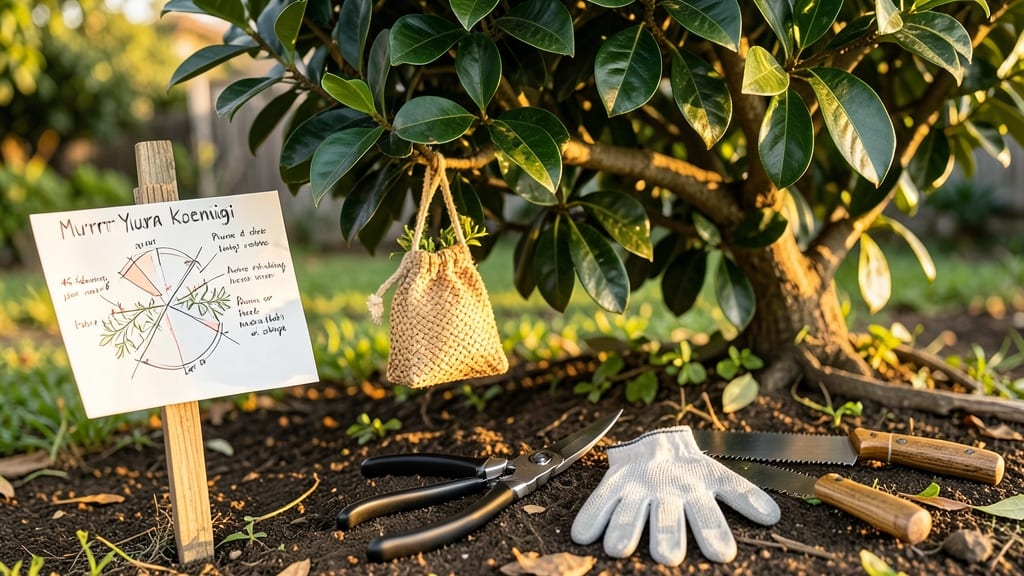
Pruning your curry leaf tree isn’t just about shaping—it’s about unlocking year-round growth that keeps your kitchen stocked with fresh leaves. 🌿 I’ve learned the hard way that aggressive cuts backfire, but the right approach turns a scraggly bush into a lush, productive powerhouse.
The key is timing: prune right after harvest or during late winter when new growth is about to burst forth.
You’ll need just three tools: sharp pruning shears, a small saw for thicker branches, and rubbing alcohol to sterilize cuts. Focus on removing dead wood first, then thin out crowded branches to let sunlight reach the inner canopy.
Never take more than 25% of the foliage at once—this tree is a slow grower, and patience pays off with thick, aromatic leaves all season.
After pruning, you’ll notice fresh green shoots within 2-3 weeks, and the plant will reward you with even more leaves than before. The secret? Prune at a 45-degree angle just above a leaf node, and always cut just outside the branch collar.
This keeps diseases at bay and encourages strong regrowth—no chemical fertilizers needed.
For those who’ve accidentally over-pruned, don’t panic: curry leaf trees are resilient. Water deeply after trimming, and within a few months, you’ll see new growth pushing through. The best part? Every snip you make now means more leaves for your curries next year—so grab those shears and get to work!
📚 In This Guide
- What you need
- Instructions
- Tips and common mistakes
- Wrapping up and next steps
What you need
- ○ Pruning shears: Bypass pruners (sharp, 6–8" blades) for small branches (1/4"–3/4" thick). Optional: Anvil pruners for thicker branches (up to 1" thick), but avoid for greenwood to prevent crushing.
- ● Loppers: Bypass-style (20–24" long) for medium branches (3/4"–2" thick). Look for ratcheting handles for extra leverage.
- ● Pruning saw: Curved-tooth saw (8–10" blade) for branches thicker than 2". Must be sharp to avoid tearing.
- ● Gloves: Heavy-duty, cut-resistant (e.g., mechanics’ gloves or gardening gloves with Kevlar®) to protect from thorns and sap.
- ● Safety glasses: ANSI-rated to shield eyes from debris.
- ● Ladder: Aluminum extension ladder (16–20 ft, D-rated) if branches are >6 ft high. Always use stabilizers!
- ● Disinfectant: 70% isopropyl alcohol or bleach solution (1:9 ratio) to sterilize tools between cuts (prevents disease).
- ○ Pruning sealant: Tree wound dressing (e.g., Tanglefoot Tree Wound Pruning Seal) for cuts >1/2" thick. Optional: Beeswax or petroleum jelly (DIY alternative).
- ● Compost or mulch: Organic mulch (wood chips, straw) to replenish soil after pruning.
- ● Watering can: 5-gallon capacity for post-pruning hydration.
- ● Trash bags: Heavy-duty, 30-gallon for debris disposal.
- ● Weather check: Prune on a dry, cloudy day (avoid rain for 24 hours before/after).
- ● Tree health: Ensure the tree is disease-free (no yellowing leaves, oozing sap, or pests).
- ● Safety first: Wear long sleeves/pants to avoid thorns and sap irritation.
- ● Plan ahead: Sketch a pruning map of branches to remove (aim for 25% max of foliage per session).
Step-by-step guide to pruning your curry leaf tree
Here’s my go-to method for keeping your curry leaf tree thriving year-round with a full, healthy canopy.
✂️ Step 1: Prune in the Right Season
Curry leaf trees respond best to pruning during their active growing season, which is typically spring (March–April) or early summer (May–June). Avoid heavy pruning in winter or late fall, as the tree needs all its energy to survive dormancy. If you must prune outside these windows, do only light maintenance to remove dead or diseased branches.
Look for new growth at the ends of branches—this is your signal that the tree is ready for pruning. I always wait until I see at least two sets of new leaves before cutting, as this ensures the tree has enough energy to recover quickly. Never prune when the tree is flowering or fruiting, as this stresses the plant and reduces your harvest.
✂️ Step 2: Remove Dead, Diseased, or Crossing Branches First
Start by inspecting the tree for dead, damaged, or diseased branches. These are easy to spot—they’ll be brown, brittle, or lacking leaves. Use clean, sharp pruning shears to make a clean cut just above a leaf node (the bump where leaves or branches grow). Cutting at an angle helps water run off and prevents rot.
Next, remove any branches that are rubbing against each other or growing inward. These "crossing branches" compete for sunlight and can create wounds that invite pests or disease. I always prioritize this step first—it’s like decluttering a closet before reorganizing. Once these branches are gone, the tree’s energy can focus on growing outward in a balanced shape.
✂️ Step 3: Shape the Canopy for Airflow and Light
Curry leaf trees thrive when they get plenty of circulation and sunlight. Step back and visualize the tree’s shape—aim for a rounded, open canopy that lets light reach the lower branches. Start at the outermost branches and work your way inward, cutting back one-third of the new growth from the tips. This encourages bushier growth and prevents leggy, sparse branches.
For a fuller look, you can also prune the inner branches that are growing toward the center of the tree. Cut these back to a leaf node facing outward. Avoid over-pruning the center, though—this can create a "hole" in the canopy that’s hard to fill. Think of it like sculpting: you’re shaping, not hacking.
✂️ Step 4: Thin Out Overcrowded Areas
If your curry leaf tree has dense clusters of branches growing too close together, it’s time to thin them out. Focus on the innermost branches first, as these often get shaded and produce fewer leaves. Remove one in three branches in crowded areas to improve airflow and reduce humidity, which helps prevent fungal diseases like powdery mildew.
When thinning, always cut back to a strong, outward-facing branch or leaf node. Avoid leaving stubs—these can rot and attract pests. If you’re unsure which branch to keep, choose the one that’s healthier and growing in the direction you want. This step is all about balance—you want the tree to look lush but not so dense that sunlight can’t reach the center.
⏰ Step 5: Clean Up and Monitor After Pruning
After pruning, sterilize your tools with rubbing alcohol to prevent spreading disease. Remove all pruned branches from the area—leaving them on the ground can harbor pests or fungi. If you’re pruning a large tree, consider composting the healthy branches or using them for cuttings to propagate new plants.
Water the tree deeply after pruning to help it recover. Keep an eye on it over the next two weeks—you should see new growth at the pruned areas within that time. If the tree looks stressed (yellowing leaves, wilting), it might need a light fertilizer to bounce back. Pruning is like giving your tree a haircut—done right, it looks better and grows stronger!
Tips & tricks for perfect curry leaf tree pruning
These simple tricks will help you keep your curry leaf tree looking lush and healthy year after year.
Seasonal Timing Tip: I can't stress enough how important it is to prune during the active growing season (spring or early summer). The tree's energy is focused on growth during this time, making it much more resilient to pruning. If you notice new leaf growth appearing—especially when you can see two sets of fresh leaves—your tree is ready. This is your green light to start pruning! I've learned the hard way that pruning outside these windows can stress the tree and even reduce your harvest.
Tool Preparation: Before you even touch your tree, make sure your pruning shears are clean and sharp. I always sterilize mine with rubbing alcohol between trees to prevent spreading any potential diseases. A dull blade can crush stems instead of making clean cuts, which can damage the tree and invite infections. Think of it like using a dull knife in the kitchen—it just doesn't work right! For larger branches, consider using pruning saws or loppers to make cleaner cuts.
Visual Pruning Guide: When shaping your canopy, imagine you're creating an open umbrella shape. Start at the outer edges and work your way inward, cutting back about one-third of the new growth from each branch tip. This creates a natural, balanced shape that allows sunlight to reach all parts of the tree. For the inner branches growing toward the center, cut them back to an outward-facing leaf node. This simple visual approach has helped me avoid those awkward "holes" in the canopy that can happen when you over-prune the center.
Post-Pruning Care: After you've finished pruning, don't just walk away! Water your tree deeply to help it recover from the stress of pruning. I always keep an eye on my trees for the next two weeks, watching for new growth at the pruned areas. If I notice any signs of stress like yellowing leaves or wilting, I'll give them a light dose of fertilizer to help them bounce back. This aftercare is just as important as the pruning itself for keeping your tree healthy and thriving.
Pro Tips for Curry Leaf Tree Pruning
- These simple tricks will help you keep your curry leaf tree looking lush and healthy year after year.
- Seasonal Timing Tip: I can't stress enough how important it is to prune during the active growing season (spring or e...
- Tool Preparation: Before you even touch your tree, make sure your pruning shears are clean and sharp. I always steril...
Frequently asked questions
When is the best time to prune a curry leaf tree?
The ideal time to prune your curry leaf tree is during the late winter or early spring (February–March), just before new growth begins. This minimizes stress and promotes vigorous regrowth. Light pruning can also be done in summer to shape the tree, but avoid heavy cuts during monsoon season or flowering time (June–July).
How much can I trim without harming the tree?
You can safely remove up to 25–30% of the foliage in a single session without causing major stress. For mature trees, focus on dead, diseased, or overcrowded branches first. Avoid excessive pruning—this can reduce leaf production, which is crucial for curry leaves. Thin out rather than shear for a healthier canopy.
What should I do if my curry leaf tree bleeds sap after pruning?
Sap bleeding is normal and harmless! It’s the tree’s way of sealing wounds. To minimize mess, prune on a dry day and avoid heavy rains for 24–48 hours. If the sap bothers you, wear gloves and clean tools with rubbing alcohol afterward. Over time, the cuts will heal, and new growth will emerge.
Can I propagate new plants from pruned curry leaf branches?
Hardwood cuttings
(4–6 inches long) taken during pruning can root easily. Dip the cut end in rooting hormone (optional) and plant in a mix of sand and compost. Keep the soil moist and place in partial shade until roots form (4–6 weeks). This is a great way to expand your curry leaf garden!
What if my tree isn’t growing back after pruning?
If your curry leaf tree shows no new growth 4–6 weeks post-pruning, check for:
- Over-pruning (trimmed too aggressively)
- Pests/diseases (inspect leaves for holes or discoloration)
- Poor soil/nutrients (add compost or fertilizer)
- Water stress (ensure consistent moisture)
Wrapping up and next steps
Pruning your curry leaf tree isn’t just about shaping a stunning canopy—it’s a year-round ritual that boosts health, flavor, and productivity! 🌿 By following the right techniques, timing, and tools, you’ll unlock lush growth, vibrant leaves, and even better harvests.
Whether you’re trimming for aesthetics, maintenance, or propagation, every snip brings your tree one step closer to its full potential.
Ready to give your curry leaf tree the TLC it deserves? Roll up your sleeves, grab your pruners, and start pruning today! For extra confidence, revisit the FAQs or dive deeper into seasonal care tips—your thriving tree is waiting for you! ✨