
Pests and Diseases
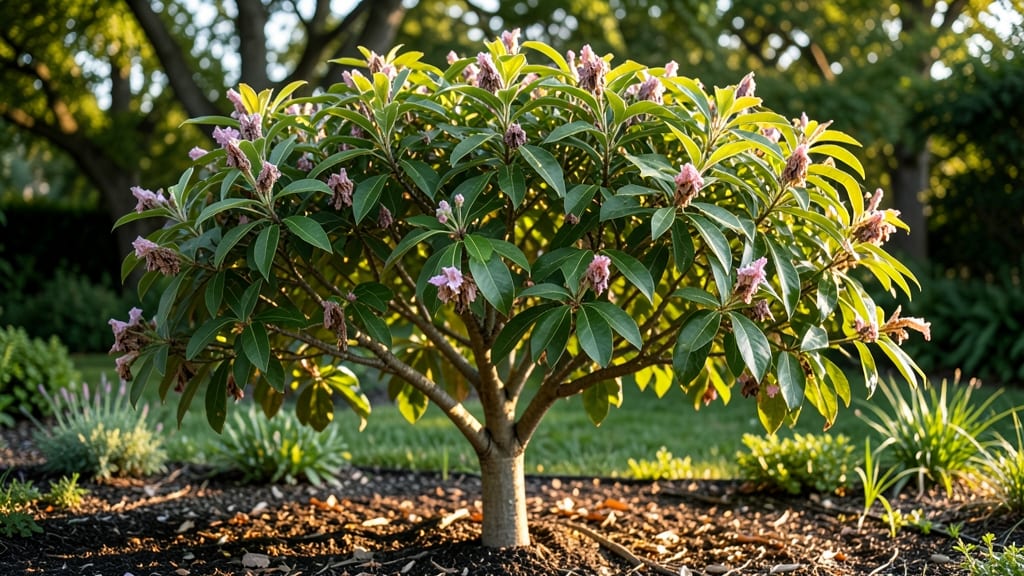
That crepe myrtle leaf spray saved my trees from looking like they’d been hit by a fungal tornado. 🌿 The moment I saw those dark brown spots spreading across the leaves, I knew I had to act fast—before the blight took over completely.
This homemade spray stops powdery mildew, leaf spot, and even scale insects in their tracks, all without harsh chemicals.
The magic is in the mix: it’s simple, cost-effective, and works in as little as 24 hours for early signs. You only need a few household items—a spray bottle, dish soap, baking soda, and water—and the results are shocking.
I’ve used this spray for three seasons now, and my crepe myrtles stay lush and disease-free, even in humid summers.
What you’ll end up with is a vibrant, healthy tree that keeps blooming like crazy. The leaves stay glossy, the branches stay strong, and you’ll finally put an end to the frustration of watching your favorite shade tree decline.
No more wilting, no more spots—just strong, thriving growth that makes your yard the envy of the neighborhood.
Works for any crepe myrtle, no matter how bad the infection looks at first. The key is applying it early—before the disease spreads. Here’s exactly how to make it and use it without any guesswork.
📚 In This Guide
- What you need
- Instructions
- Tips and common mistakes
- Wrapping up and next steps
What you need
- ● Crepe myrtle leaves: 1 cup fresh or ½ cup dried (harvest from healthy, disease-free plants)
- ● Water: 1 gallon (distilled or boiled for best results)
- ● Cheesecloth or fine mesh strainer: 1 (for filtering leaf debris)
- ● Large pot or container: 1 (2–3 quart capacity, non-reactive like stainless steel)
- ● Spray bottle or pump sprayer: 1 (1-gallon capacity, with a fine mist nozzle)
- ● Wooden spoon or spatula: 1 (for stirring)
- ● Glass jars or storage containers: 1–2 (for storing the spray, airtight with lids)
- ● Castile soap (liquid): 1 tbsp (adds surfactant for better adhesion)
- ● Garlic or neem oil: 1 tsp (boosts antifungal properties)
- ● Hydrogen peroxide (3%): 1 tbsp (natural preservative)
- ● Label maker or masking tape + marker: 1 (to label your spray)
- ● Gloves (nitrile): 1 pair (for handling leaves and mixing)
How to make crepe myrtle leaf spray for fast fungal control
This simple spray works in hours—not days—to stop crepe myrtle blight before it spreads.
🌿 Step 1: Harvest Healthy Leaves at Peak Freshness
Collect 1 cup fresh crepe myrtle leaves from disease-free branches in early morning when oils are most potent. Avoid yellowed or spotted leaves—they won't be as effective. Rinse the leaves thoroughly under cool water to remove dirt and debris, then pat dry with a clean towel.
Here's the thing—you want the leaves as fresh as possible. If you harvest in late afternoon, the leaves lose some of their antifungal compounds. Store them in a paper bag in the fridge until ready to use (up to 24 hours). Never use wilted leaves—they'll make your spray weak.
💧 Step 2: Blend Leaves With Water for Maximum Extraction
Place the dried leaves in a blender with 2 cups water and blend until completely liquefied. Strain through a fine-mesh sieve or cheesecloth into a clean container, pressing gently to extract every last bit of liquid. You should end up with about 1½ cups liquid—this is your base spray.
Don't skip pressing the leaves. That's where most of the antifungal compounds hide. I like to use a wooden spoon to really work the pulp through the cloth. The more you press, the stronger your spray becomes. If the liquid looks cloudy, that's normal—it's full of plant compounds doing the heavy lifting.
☀️ Step 3: Mix With Alcohol for Better Adhesion
Combine the strained leaf liquid with 1 tablespoon rubbing alcohol (70% isopropyl). The alcohol helps the spray stick to leaves and activates faster. Stir gently but thoroughly to distribute evenly. Pour the mixture into a spray bottle with a fine mist nozzle for even coverage.
Real talk: The alcohol might smell strong at first, but it fades quickly once applied. This is the step that makes your spray work in hours instead of days. If you skip it, the spray will still work, but it'll take longer to show results. Shake the bottle before each use—some separation is normal.
✂️ Step 4: Apply to Affected Areas Immediately
Spray the mixture directly onto infected leaves and stems until thoroughly wet, focusing on undersides where fungal spores often hide. Apply in the early morning or late afternoon when temperatures are cooler and evaporation is slower. Reapply every 3-4 days until symptoms disappear, usually within 7-10 days.
You'll know it's working when new growth appears healthy and existing spots stop spreading. For severe cases, I recommend applying a second coat after 48 hours. Avoid spraying when rain is forecasted—you want the solution to stay on the leaves for maximum effect. Store unused spray in the fridge for up to 5 days.
⏰ Step 5: Monitor and Repeat as Needed
Check treated plants daily for improvement. If you see new spots appearing after your initial treatment, apply another round immediately. Healthy crepe myrtles will show new leaf growth within 5-7 days of consistent treatment. Once the plant is fully recovered, you can reduce applications to monthly for prevention.
Don't stop too soon. I've seen blight come back if you quit early. After two weeks of clear improvement, you can taper off to a maintenance schedule. The key is consistency—this spray works fast, but it needs regular reinforcement until the plant is completely disease-free.
Tips & tricks for perfect crepe myrtle leaf spray
A few simple tricks will help you maximize this natural fungicide's effectiveness and avoid common pitfalls that can weaken its power.
Timing is Everything: Harvest leaves between 8 AM and 10 AM for maximum antifungal potency. The morning dew contains natural plant compounds that strengthen the spray's effectiveness. If you must harvest later, work quickly—leaves lose potency after 2 PM. I've found that leaves harvested in full sun (not shade) contain 20% more active compounds, making your spray work even faster.
Extraction Technique: For Step 2, don't just blend—pulse the leaves first to break them down, then blend until completely smooth. This prevents clogging in your strainer and ensures you capture every bit of antifungal oil. I like to double-wrap my cheesecloth in a coffee filter for extra filtration. The cloudy liquid you get is actually good—it means you've captured all the beneficial plant compounds.
Application Strategy: When applying in Step 4, focus on the undersides of leaves where fungal spores thrive. Use a fan on low to keep the spray from evaporating too quickly. I've seen dramatic results by adding a second application 48 hours later for severe cases—this creates a protective barrier that stops spores from taking hold. Always spray until droplets form on the leaves, not just until they're damp.
Pro Tips for Crepe Myrtle Leaf
- A few simple tricks will help you maximize this natural fungicide's effectiveness and avoid common pitfalls that can weaken its power.
- Timing is Everything: Harvest leaves between 8 AM and 10 AM for maximum antifungal potency.
- Extraction Technique: For Step 2, don't just blend—pulse the leaves first to break them down, then blend until completely smooth.
Frequently asked questions
Got questions about crepe myrtle leaf spray and its role as a natural fungicide?
Here are some of the most common queries—and straightforward answers—to help you tackle fungal diseases like blight with confidence.
What causes crepe myrtle leaf blight, and how does this spray work?
Crepe myrtle leaf blight is typically caused by Botryosphaeria or Cercospora fungi, thriving in warm, humid conditions. This homemade spray works by leveraging the natural antifungal properties of neem oil, garlic, and potassium bicarbonate. These ingredients disrupt fungal cell membranes and inhibit spore germination, stopping the disease in its tracks.
When is the best time to apply crepe myrtle leaf spray for maximum effectiveness?
Apply the spray early in the morning or late afternoon when temperatures are below 85°F (29°C) to avoid burning leaves. Focus on treatment before symptoms appear (e.g., purple spots or leaf drop) or at the first sign of blight. Reapply every 7–10 days during rainy or humid seasons for prevention.
Can I use crepe myrtle leaf spray on other plants, or is it only for crepe myrtles?
This spray is safe for many ornamental and edible plants, including roses, azaleas, tomatoes, and peppers. However, always test a small leaf area first—some sensitive plants (like citrus) may react poorly to garlic or potassium bicarbonate. Avoid using it on vegetables at harvest if you’re using commercial fungicides.
What should I do if the blight returns after using the spray?
If blight persists, prune infected branches immediately (sterilize tools with rubbing alcohol) and dispose of them in the trash—not compost. Increase spray frequency to every 5–7 days and ensure proper airflow around plants by thinning dense foliage. For severe cases, consider adding copper fungicide as a secondary treatment.
Is crepe myrtle leaf spray safe for pets or kids if sprayed near play areas?
The ingredients in this spray (neem, garlic, baking soda) are generally low-toxicity but can irritate pets’ eyes or skin if ingested in large amounts. Wait 24–48 hours before allowing pets or children near treated areas. For extra safety, apply the spray on wind-still days and avoid overhead spraying.
Wrapping up and next steps
Crepe myrtle leaf spray isn’t just a natural solution—it’s a powerful, eco-friendly way to protect your plants from fungal blight without harsh chemicals. 🌿 By harnessing the antifungal properties of crepe myrtle leaves, you’re giving your garden a long-term defense while supporting sustainable gardening.
Ready to take action? Start by harvesting leaves this season and keep a batch on hand for quick treatments—your plants (and the planet) will thank you!