
Pests and Diseases
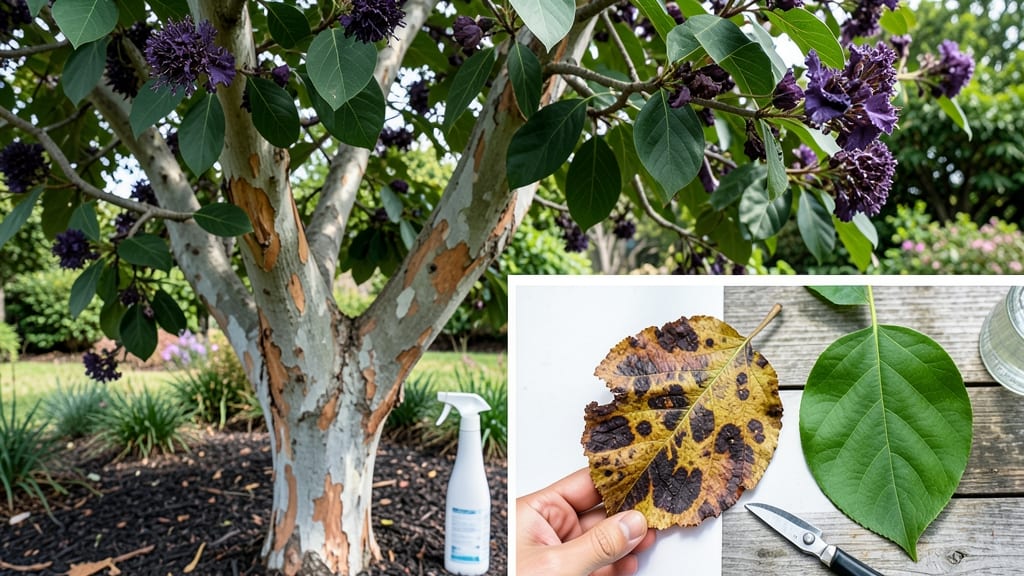
When your crepe myrtle leaves start showing dark spots and yellowing edges, you’re dealing with leaf spot—a fungal infection that can turn your showy tree into a sad, spotty mess. 🌿 I’ve battled this problem for years, and I’ve learned the three simple steps that actually work to diagnose, treat, and prevent it for good.
The fungus thrives in wet, humid conditions, so poor air circulation and overhead watering are usually to blame.
Most people panic and grab the strongest fungicide, but the real fix starts with pruning out infected branches and adjusting how you water—just a few minutes of effort can save your tree from decline.
By the time you’re done, your crepe myrtle will be back to its vibrant, healthy self, with fewer spots and stronger growth. The best part? These steps work whether you’re dealing with a young tree or a mature one that’s been struggling for years.
No need for complicated treatments—just smart care. Let’s get your tree looking its best again, without the guesswork.
Why it happens
Crepe myrtle leaf spot isn’t just random bad luck—it’s often a sign your tree is under stress or battling unseen enemies. Let’s break down the key culprits behind those unsightly brown or purple spots, so you can tackle the problem at its source.
🌧️ Fungal Spores in Humid Conditions
The most common cause of crepe myrtle leaf spot is fungal infection, primarily from pathogens like Cercospora or Alternaria. These fungi thrive in warm, humid environments—think summer afternoons with lingering moisture. Here’s how it works:
- Spores land on leaves, often from splashing water (rain, overhead irrigation, or even dew).
- Ideal conditions (60–80°F and high humidity) trigger germination within 3–7 days.
- Infection spreads rapidly, creating circular or irregular spots with dark borders and lighter centers.
Pro tip: 🌡️ Fungal spores love stagnant water—avoid watering leaves (aim for the soil instead) and prune for airflow.
🍃 Poor Air Circulation & Crowded Foliage
Crepe myrtles with dense, tangled branches create the perfect fungal buffet. Why? Stagnant air traps moisture, giving spores a 24/7 party spot on your tree’s leaves. Overgrown canopies or nearby structures (like fences) worsen the issue.
Actionable fix:
- Prune thin, dead, or crossing branches to improve airflow.
- Space plants 6–10 feet apart to reduce humidity buildup.
- Remove leaf litter below the tree—it’s a fungal spore hotel!
🌱 Weakened Tree Defense Systems
A crepe myrtle under stress is vulnerable to leaf spot. Common stressors include:
- Nutrient deficiencies (e.g., low nitrogen or potassium). Yellowing leaves or stunted growth? Your tree’s immune system is compromised.
- Drought or overwatering. Both disrupt root health, making leaves easier targets for fungi.
- Physical damage (e.g., hail, pests like lace bugs). Open wounds let spores invade like uninvited guests.
Quick check: 💡 If your tree looks generally unhealthy (wilting, sparse foliage, or odd growth), address the root cause first—fungicides alone won’t fix it.
🌿 Seasonal Timing & Overlapping Infections
Leaf spot often flares up in late spring to early fall—the fungal “sweet spot.” But here’s the kicker: Some spores survive winter on fallen leaves or bark, ready to re-infect as soon as conditions improve.
Break the cycle:
- Rake and dispose of fallen leaves in fall (don’t compost them—they’re spore bombs!).
- Apply a preventive fungicide (like copper or neem oil) in early spring before spores wake up.
Fixing Fungal Foliage Foes
Now that you’ve identified the culprit behind your crepe myrtle’s spotted leaves, it’s time to take action! Leaf spot diseases thrive in damp, warm conditions, but with the right approach, you can restore your tree’s health.
Below are practical, step-by-step solutions tailored to the root causes—plus prevention tips to keep future outbreaks at bay.
Cause: Fungal spores spread when infected leaves stay on the plant. Fix:
- 🔪 Prune and dispose: Snip off all leaves with dark spots, black veins, or yellowing edges. Use clean, sharp pruners to avoid spreading spores.
- 🗑️ Bag and trash: Place infected foliage in a sealed plastic bag (not your compost bin—fungi can survive there!) and toss it in the outdoor trash.
- 🌿 Clean up debris: Rake and remove fallen leaves from the ground beneath the tree. Fungal spores lurk here and can reinfect the plant.
💡 Pro Tip: Sterilize your pruners with 70% rubbing alcohol or a 10% bleach solution (1 part bleach to 9 parts water) before and after pruning to prevent cross-contamination.
Cause: Poor circulation and overhead watering create the perfect fungal buffet. Fix:
- ✂️ Thin the canopy: If your crepe myrtle is overgrown, prune to open up the center. Aim for good airflow—fungi love stagnant, humid pockets.
- 💦 Water at the base: Switch to drip irrigation or soaker hoses to keep leaves dry. Water early in the morning so foliage has time to dry before evening.
- 🌧️ Avoid overhead sprinklers: If you must use them, water before 10 AM to minimize leaf wetness (the fungus’s favorite condition).
🌡️ Heat Tip: If your region has high humidity, consider a small fan on low speed near the tree (especially in containers) to improve airflow.
Cause: Severe infections or repeated outbreaks require chemical intervention. Fix:
- 🍄 Choose the right fungicide:
- Preventative: Use a copper fungicide (like Copper Sulfate) or a neem oil spray (organic option) every 2–4 weeks during rainy seasons.
- Curative: For active infections, opt for a fungicide with chlorothalonil (e.g., Daconil) or propiconazole (e.g., Banner Maxx). Follow label instructions carefully.
- 🕒 Timing is key: Apply fungicides at the first sign of spots or before rainy seasons to prevent outbreaks.
⚠️ Warning: Always wear gloves and a mask when handling chemicals, and avoid spraying on hot, sunny days to prevent leaf burn.
Cause: Weakened trees are more susceptible to diseases. Fix:
- 🌱 Fertilize properly: Use a balanced, slow-release fertilizer (like 10-10-10) in early spring. Avoid over-fertilizing with nitrogen, which promotes lush (but vulnerable) growth.
- 💧 Mulch correctly: Apply 2–3 inches of organic mulch (wood chips or pine straw) around the base, but keep it 6 inches away from the trunk to prevent moisture buildup.
- ☀️ Prune for sunlight: Ensure your crepe myrtle gets at least 6–8 hours of sunlight daily. Shady spots slow drying and encourage fungal growth.
🎯 Prevention Power Move: Plant resistant varieties like ‘Natchez’ or ‘Tonto’ crepe myrtles, which are bred to handle leaf spot better than others.
- ❌ Ignoring the problem: Leaf spot won’t disappear on its own—act fast!
- ❌ Using contaminated tools: Reusing pruners or rakes without cleaning spreads spores.
- ❌ Overwatering: Crepe myrtles hate soggy roots—water only when the top 2 inches of soil are dry.
- ❌ Skipping prevention: Even after treatment, reapply fungicides if conditions (like rain) persist.
With these steps, your crepe myrtle should bounce back in 4–6 weeks. Keep an eye out for new spots, and adjust your care routine as needed. Healthy trees are happy trees—and fungus-free! 🌿✨
Frequently asked questions about crepe myrtle leaf spot
What do crepe myrtle leaf spot symptoms look like?
Leaf spot typically appears as dark brown or purple circular spots with lighter centers, often surrounded by yellowing edges. You may also see black veins spreading through the leaf. Severe cases cause leaves to drop prematurely, leaving your tree looking sparse and unhealthy.
Can I save my crepe myrtle if it already has leaf spot?
Yes! Act fast by pruning infected branches, improving airflow, and applying fungicide (copper or neem oil). With consistent care, most trees recover within 4-6 weeks. The key is catching it early and addressing the root causes—like poor watering habits or overcrowded foliage.
How often should I apply fungicide to prevent leaf spot?
For prevention, apply fungicide every 2-4 weeks during rainy seasons or when humidity is high. If treating an active infection, follow the product's instructions—usually once every 7-14 days until symptoms disappear. Always rotate between copper-based and organic options to avoid resistance.
Will leaf spot kill my crepe myrtle tree?
Leaf spot itself rarely kills mature trees, but severe or repeated infections can weaken the plant, making it vulnerable to other diseases or pests. The real danger comes from ignoring the problem—untreated leaf spot can lead to defoliation, stunted growth, and even death in extreme cases. Act quickly to protect your tree's health.
What's the best time of day to water my crepe myrtle to prevent leaf spot?
Water early in the morning (before 10 AM) to give leaves plenty of time to dry. This prevents moisture from lingering on foliage, which is the fungus's ideal breeding ground. Avoid evening watering—wet leaves overnight create perfect conditions for fungal spores to spread.