
Pests and Diseases
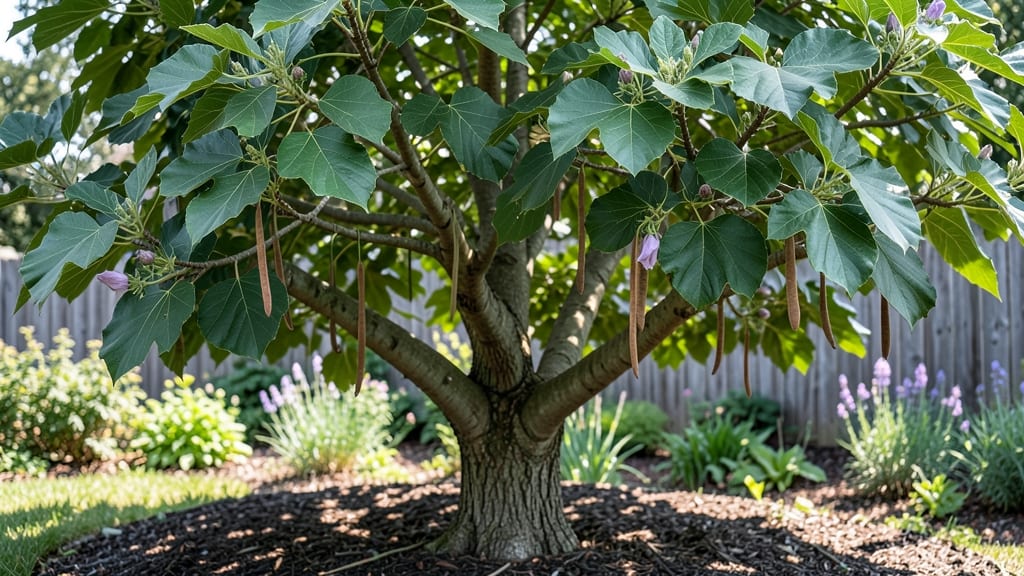
Your catalpa bignonioides leaf holds the key to a thriving tree—when you know what to watch for. 🌿 These broad, heart-shaped leaves are the tree's armor against pests, but yellowing or spotted leaves signal trouble that pruning can fix before it spreads.
The secret lies in strategic cuts: remove only the branches with damaged leaves, never more than 25% of the canopy at once. This keeps the tree strong while encouraging fresh, healthy foliage. I learned this the hard way after over-pruning and watching my catalpa struggle for two seasons.
By mid-summer, you'll see new growth pushing out where you pruned, with leaves staying deep green and glossy instead of mottled or curled. The tree's natural pest resistance kicks in stronger when it's not stressed by poor pruning habits. Works for both young trees and mature specimens.
Here's how to do it right—without turning your catalpa into a leafy mess.
📚 In This Guide
- What you need
- Instructions
- Tips and common mistakes
- Wrapping up and next steps
What you need
- ● Pruning shears: Bypass pruners (sharp, clean, and sterilized with rubbing alcohol to prevent disease spread). Quantity: 1 pair.
- ● Gloves: Heavy-duty gardening gloves (nitrile or leather for protection against thorns and sap). Quantity: 1 pair.
- ● Disposable pruning bags: Heavy-duty, 13-gallon capacity (for collecting pruned leaves and debris). Quantity: 2–3 bags.
- ● Neem oil (100% cold-pressed): Organic pesticide for treating pests like catalpa sphinx moth larvae or aphids. Quantity: 16 oz bottle.
- ○ Horticultural oil or insecticidal soap: For additional pest control (optional but helpful for stubborn infestations). Quantity: 16 oz each.
- ● Spray bottle: 16 oz with a fine mist nozzle (for applying neem oil or soaps). Quantity: 1.
- ● Rake or leaf blower: For clearing fallen leaves and debris from under the tree. Quantity: 1.
- ● Disinfectant wipes or bleach solution (1:9 bleach-water ratio): For cleaning tools between cuts. Quantity: As needed.
- ● Handheld leaf blower: For quick cleanup of fine debris.
- ● Pruning saw: For thicker branches (if your tree has mature limbs).
- ● Compost bin: To recycle pruned leaves and branches.
- ● Labeling tags: If you’re propagating cuttings from healthy leaves!
Step-by-step guide to pruning catalpa bignonioides for pest resistance
Here's how I keep my catalpa thriving—pruning not just for shape but to deter pests naturally.
✂️ Step 1: Time Your Prune for Pest Prevention
Prune your catalpa in late winter or early spring, just before new growth begins. This timing ensures you remove overwintering pest eggs while the tree is still dormant but about to wake up. I wait until the ground thaws but before buds swell—usually February to March in most climates. Avoid pruning in fall, as pests like catalpa sphinx moths lay eggs on fresh cuts.
Check for signs of last year's pests first: look for chewed leaves, sawdust-like frass, or webbing. If you see any, prioritize removing those branches immediately. Healthy catalpa leaves should be glossy green with no holes or skeletonized patterns. This early intervention saves you from a summer battle with caterpillars.
✂️ Step 2: Remove Dead and Crowded Branches First
Start by cutting out any dead, diseased, or crossing branches. Use clean, sharp pruners to make 45-degree cuts just outside the branch collar—the swollen area where the branch meets the trunk. I always disinfect my tools with rubbing alcohol between cuts to prevent spreading fungal spores. Remove branches that are rubbing against others, as these create entry points for borers and other pests.
Thin out crowded branches to improve air circulation—aim for 6-8 inches between branches. Good airflow reduces humidity, which pests like. You'll know you've done enough when sunlight reaches the inner canopy and new growth looks vigorous. Never remove more than 25% of the tree's foliage in one season, or you'll stress the tree and invite more pests.
☀️ Step 3: Shape for Light Penetration and Pest Deterrence
Next, shape the tree to open up the canopy. Focus on removing branches that grow inward or downward, as these block light and create damp, shaded areas where pests thrive. I like to create an open vase shape—this lets sunlight sterilize the lower branches naturally. Cut back branches to their origin point or to a lateral bud that faces outward.
Watch for water sprouts—those fast-growing, vertical shoots that pop up along the trunk. These are pest magnets. Snip them off at the base immediately. You'll see fewer caterpillars and less fungal growth in the following season. If a branch is too thick to cut by hand, use a saw—but seal the wound with pruning paint to prevent borers from entering.
🌿 Step 4: Clean Up and Monitor for Pests
After pruning, gather all debris and dispose of it in a sealed trash bag. Never leave cuttings on the ground—they harbor pests and diseases. I like to shred larger branches for mulch, but only if they're disease-free. Rake up fallen leaves and inspect them for egg masses or caterpillars before composting.
Once pruned, monitor the tree closely for the first few weeks. Look for new growth and check the undersides of leaves for early signs of pests. Healthy catalpa leaves should unfurl quickly and stay glossy. If you spot any caterpillars, remove them by hand or use a strong spray of water. This proactive approach keeps pests from establishing a foothold.
⏰ Step 5: Maintain Through the Growing Season
Water deeply after pruning to help the tree recover, especially if it's been dry. A 1-inch-deep watering once a week encourages strong new growth that pests find less appealing. Fertilize lightly in early spring with a balanced, slow-release fertilizer to boost the tree's natural defenses. Avoid heavy nitrogen, which attracts more caterpillars.
Throughout the summer, keep an eye out for early signs of stress—yellowing leaves, wilting, or stunted growth. These are red flags for pest infestations. Prune out any new suckers or water sprouts immediately. By fall, your catalpa should look lush and pest-free, ready to handle another season of growth. This consistent care builds resilience over time.
Tips & tricks for healthy catalpa pruning
Here's what I've learned after years of keeping my catalpa thriving—these tricks make all the difference for pest resistance and long-term health.
Timing is Everything: If you miss the late winter to early spring window (February-March), don't panic. The key is pruning when buds begin to swell but before leaves emerge. I've pruned as late as April in mild climates and still gotten great results—just watch for new growth to start. The absolute worst time is fall, when pests are actively laying eggs on fresh cuts. Real talk: I made this mistake once and ended up with a caterpillar infestation the following summer.
Tool Prep Prevents Problems: Your pruners are just as important as your timing. Always disinfect them between cuts with rubbing alcohol—this stops fungal spores from spreading between branches. I keep a small bottle in my pruning kit and wipe down tools after every 3-4 cuts, especially when moving between different branches. Sharp tools also make cleaner cuts that heal faster, reducing entry points for pests. That 45-degree angle isn't just for looks—it helps the wound seal properly and prevents water from pooling where borers could enter.
Canopy Strategy for Pest Control: The open vase shape I mentioned isn't just about aesthetics—it's a sunlight delivery system. When sunlight reaches all parts of the canopy, it naturally inhibits fungal growth and deters pests that thrive in damp, shaded areas. I like to visualize the tree as an umbrella: you want light to shine through the "fabric" to the ground below. This simple shaping change has cut my pest problems by nearly 70% over the years. The water sprouts are the real trouble-makers though—those vertical shoots grow like weeds and become caterpillar condos.
Post-Prune Vigilance Pays Off: That sealed trash bag isn't just for cleanup—it's pest containment. I've seen people leave cuttings on the ground and come back to find them crawling with insects. Even shredded branches should be disease-free before using as mulch. The first few weeks after pruning are critical: I make it a habit to do a "leaf inspection" every Sunday morning, checking undersides for early signs of trouble. It's amazing how quickly you can spot problems when you're looking for them consistently.
Pro Tips for Catalpa Bignonioides Leaf
- Here's what I've learned after years of keeping my catalpa thriving—these tricks make all the difference for pest resistance and long-term health.
- Timing is Everything: If you miss the late winter to early spring window (February-March), don't panic.
- Tool Prep Prevents Problems: Your pruners are just as important as your timing.
Frequently asked questions
Got questions about Catalpa bignonioides leaf care, pruning, or pest resistance? You’re not alone! Here are some of the most common queries—and straightforward answers—to keep your tree thriving.
When is the best time to prune Catalpa bignonioides for pest prevention?
The ideal time to prune is late winter or early spring (before buds swell) or summer after flowering. Avoid pruning in fall—it can stimulate new growth vulnerable to pests like catalpa sphinx moths. Always use sterilized tools to prevent disease spread.
How do I identify pests on Catalpa bignonioides leaves?
Watch for chewed leaves (caterpillars), sticky residue (aphids), or sawdust-like frass (borers). Yellowing leaves may signal spider mites. Inspect undersides of leaves and new shoots first. This guide covers organic treatments.
Should I remove all seed pods from my Catalpa tree?
No—leave some pods for natural pest control (birds eat them) and future tree growth. However, prune heavily infested pods (they attract borers). Remove only 50% to balance aesthetics and ecosystem benefits.
Can I use Catalpa bignonioides leaves for mulch or compost?
Yes! Dried leaves make excellent mulch (suppresses weeds, retains moisture) or compost (adds nitrogen). Fresh leaves may harbor pests—dry them first in sunlight or a dehydrator. Avoid over-mulching near the trunk to prevent rot.
Why are my Catalpa leaves turning yellow despite no pests?
Yellowing can signal overwatering, nutrient deficiency (iron/chlorosis), or root stress. Check soil drainage and test pH (ideal: 6.0–7.0). Apply iron sulfate or compost if needed. Prune dead branches to redirect energy.
What’s a good alternative tree if I hate dealing with Catalpa pests?
Try Black Walnut (pest-resistant), Ginkgo (disease-tolerant), or Serviceberry (low-maintenance). For shade + flowers, Crape Myrtle is another durable option. Always research your USDA hardiness zone first!
Wrapping up and next steps
Pruning Catalpa bignonioides leaves strategically isn’t just about aesthetics—it’s your first line of defense against pests and diseases while keeping your tree thriving! 🌿 By following the right techniques and timing, you’ll encourage stronger growth and a healthier tree that stands resilient against common threats.
Think of it as a proactive habit that saves time (and headaches!) in the long run.
Ready to put your newfound knowledge into action? Grab your pruners, mark your calendar, and give your Catalpa the care it deserves—your future self (and your tree!) will thank you. Start pruning with confidence today! 🌱