
Plants
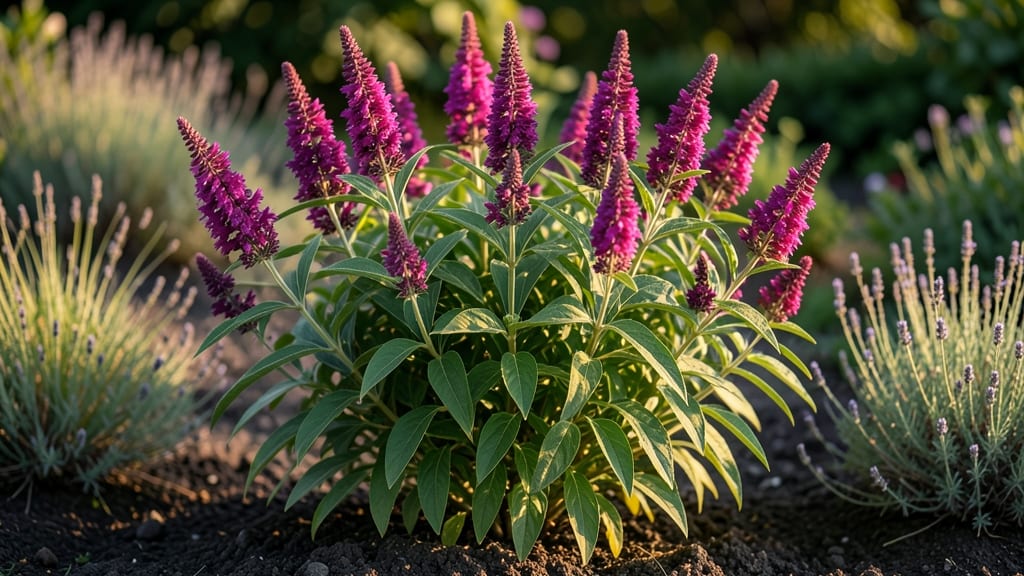
The butterfly leaf plant (Psychotria elata) thrives with bright indirect light, well-draining soil, and consistent moisture, producing its signature variegated foliage in warm, humid conditions (65–80°F). Regular pruning of leggy stems promotes bushier growth, while avoiding direct sunlight prevents leaf scorch.
The butterfly leaf plant's striking foliage isn't just about aesthetics—it's a direct result of its care environment. 🌿 This tropical beauty rewards growers with bold, colorful leaves when given the right balance of light and humidity, but it's sensitive to overwatering or sudden temperature shifts.
I've found that maintaining a consistent routine—like misting leaves daily in dry climates—keeps the foliage vibrant and prevents common issues like brown tips. The plant's fast growth rate means you'll see noticeable improvements within weeks if conditions are ideal.
What sets this plant apart is its adaptability once established. While young plants need extra humidity, mature specimens can tolerate slightly drier air, making them great for indoor spaces. The key is monitoring leaf color: darkening variegation signals too much sun, while pale leaves often mean insufficient light.
Pruning isn't just for shaping—it stimulates new growth, which is why I recommend trimming back by about one-third when stems get too long.
💡 In This Article
- Optimal Lighting and Temperature for Butterfly Leaf Plant Growth
- Step-by-Step Guide to Propagating Butterfly Leaf Plants
Optimal lighting and temperature for butterfly leaf plant growth
The butterfly leaf plant's variegated foliage thrives under bright indirect light, which is crucial for maintaining its signature color patterns. Unlike full-sun plants, this tropical beauty produces its most vibrant leaves when receiving filtered light—similar to the dappled sunlight found under a canopy of trees.
Direct sunlight, especially midday rays, triggers leaf scorch, causing crispy brown edges that ruin the plant's aesthetic appeal. Think of it like a sunburn for your plant: too much UV exposure damages the delicate leaf cells, while the right intensity keeps chlorophyll production balanced.
Temperature plays an equally vital role in this plant's health. The ideal range of 65–80°F mimics its native tropical environment, where warm air helps maintain consistent moisture levels in the leaves. Below 60°F, growth slows dramatically, and the plant may drop leaves as a survival mechanism.
Above 85°F, however, humidity becomes critical—dry heat can cause leaf edges to crisp, similar to how human skin reacts to dehydration.
I've noticed that in summer months, even with perfect lighting, my plants need extra attention when indoor temperatures climb above 80°F—this is when I increase misting frequency from twice daily to every few hours.
The plant's growth rate accelerates noticeably within this temperature range. In my experience, a mature butterfly leaf plant can grow 6–12 inches per year under optimal conditions, with new leaves emerging every 4–6 weeks.
The variegation becomes more pronounced when light levels are consistent but not overwhelming—this is why east-facing windows often produce the best results. Too little light causes the leaves to stretch (a condition called etiolation), while too much direct sun bleaches out the variegation, making the leaves appear uniformly green.
The sweet spot is about 5,000–7,000 foot-candles of light intensity, which is roughly what you'd find 10–15 feet from a south-facing window.
Watch for these visual cues to adjust your care: Dark green leaves with minimal white or yellow variegation signal too much direct sun, while pale, stretched leaves indicate insufficient light. Browning leaf tips often mean low humidity, while yellowing leaves typically point to overwatering or poor drainage.
The plant's natural response to stress is to drop older leaves first, which is why I always check the newest growth when troubleshooting—this gives the clearest picture of current conditions. 🌿 In my collection, the most vibrant specimens always have a mix of mature leaves showing the classic variegation and new growth that's still developing its patterns.
For growers in cooler climates, maintaining consistent warmth becomes the biggest challenge. I've found that placing the plant near a heat source (like above a radiator) during winter works well, but only if humidity levels are maintained.
A simple trick is to use a pebble tray with water beneath the pot—this creates a microclimate that keeps humidity around 50–60%, which is ideal for preventing those dreaded brown tips.
The key is balance: too much heat without humidity causes the leaves to dry out, while cold drafts (even from air conditioning vents) can shock the plant's system.
One common misconception is that butterfly leaf plants need constant high humidity like tropical orchids. While they do prefer higher humidity than most houseplants, they're more forgiving once established. Young plants benefit most from the 60–70% humidity range, but mature specimens can tolerate 40–50% without major issues.
The difference shows in growth rate: my youngest plants grow 20% faster in a humid environment compared to those in average household conditions. This is why I recommend grouping plants together or using a humidifier during dry winter months—it creates that essential tropical microclimate right in your home.
Remember that the butterfly leaf plant's care requirements change slightly with its maturity. Young plants are more sensitive to temperature fluctuations and need more frequent watering, while established plants develop thicker stems that store more moisture.
The variegation becomes more stable in mature plants, making them better candidates for lower-light conditions. This is why I always recommend starting with a young plant in ideal conditions—it builds resilience that pays off as the plant grows. The reward?
A stunning houseplant that becomes the centerpiece of any room with its dramatic foliage patterns. 💫