
Pests and Diseases
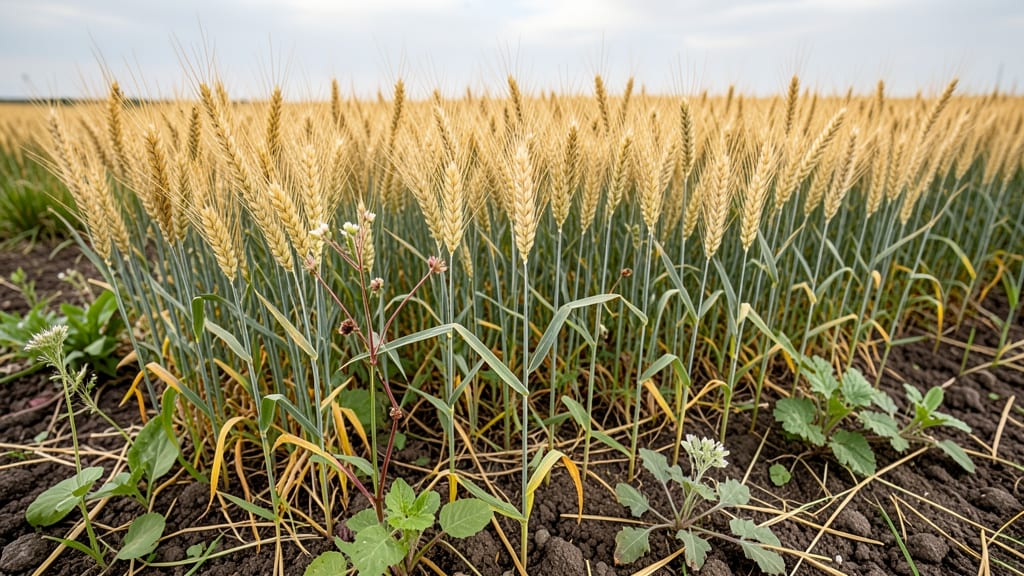
Broadleaf weeds in wheat fields steal nutrients and sunlight from your crop, and I’ve seen firsthand how quickly they can turn a healthy stand into a patchwork of struggling plants. 🌱 The moment I noticed chickweed creeping between my wheat rows, I knew I had to act fast—before the weeds outcompeted the grain.
These invaders aren’t just unsightly; they reduce yield and make harvest more difficult, especially if they mature alongside your wheat.
The key to beating them is early detection and targeted action. Walk your fields regularly, especially after rains when weeds germinate fast. Look for the classic broadleaf shapes—round leaves, yellow flowers, or the telltale rosettes of dandelions.
Manual removal works for small patches, but larger infestations need smarter strategies like spot-treating with vinegar-based herbicides or cultivating between rows to disrupt weed growth without harming the wheat.
What you’ll achieve is a cleaner, more productive field where your wheat gets the resources it needs. The plants will stand taller, fill out better, and resist lodging—no more thin spots or stunted growth. Plus, you’ll protect your soil’s long-term health by avoiding harsh chemicals that can disrupt the ecosystem.
This approach works for any wheat variety, whether you’re growing hard red winter wheat or soft white spring wheat. The secret is consistency: monitor, act early, and repeat as needed. Your harvest—and your wallet—will thank you.
The Hidden Triggers Behind Weed Spread
Broadleaf weeds thriving in wheat fields aren’t just random bad luck—they’re the result of specific environmental, agricultural, and biological factors working in their favor. Understanding these causes is the first step to stopping them before they take over.
Let’s break down the key reasons why these weeds become such persistent pests in wheat crops.
Healthy soil is the foundation of a strong wheat crop—and the opposite is true for weeds. When soil isn’t properly managed, broadleaf weeds like chickweed, henbit, or wild mustard seize the opportunity to dominate. Here’s how it happens:
- Excessive tillage: Frequent plowing or deep tillage disrupts the natural soil structure, exposing weed seeds buried deep underground. Some seeds, like those of Lamium species (dead-nettle), can remain dormant for years but germinate when disturbed.
- Imbalanced nutrients: Over-fertilization, especially with nitrogen, can create lush conditions that benefit weeds as much as crops. Weeds like Chenopodium album (lambsquarters) thrive in nutrient-rich soils, outcompeting wheat for resources.
- Compaction and poor drainage: Compacted or waterlogged soils slow wheat growth, leaving gaps for weeds to establish roots quickly. Poor drainage also creates microclimates where moisture-loving weeds like Polygonum (smartweed) flourish.
Actionable fix: Adopt no-till or reduced-till practices to preserve soil structure, use cover crops to outcompete weeds naturally, and conduct soil tests to avoid over-fertilizing.
Weeds don’t just sprout from the soil—they often hitch a ride into fields through contaminated seed, equipment, or crop residue. Here’s how:
- Impure wheat seed: Some commercial wheat seed mixes contain <1% weed seeds (a legal but problematic threshold). Weeds like Galium aparine (cleavers) or Veronica species can slip through certification processes and establish themselves in the field.
- Harvest equipment carryover: Combine harvesters, seed drills, and other machinery can transfer weed seeds from infested fields to clean ones. Even a few seeds left in crevices or on tires are enough to start a new infestation.
- Crop residue leftovers: Wheat stalks and chaff harbor weed seeds, especially if not properly shredded or removed. Weeds like Raphanus raphanistrum (wild radish) germinate from residue if not managed post-harvest.
Actionable fix: Source certified weed-free seed, clean equipment thoroughly between fields (especially after harvesting), and implement burning or chopping of residue to eliminate seed sources.
Broadleaf weeds are opportunists—they exploit weather patterns that weaken wheat while giving them an edge. Key triggers include:
- Cool, wet springs: Many weeds, such as Stellaria media (chickweed), germinate best in temperatures between 40–60°F. Excessive rainfall softens the soil, making it easier for weed seeds to sprout before wheat emerges.
- Drought stress on wheat: When wheat struggles due to dry conditions, broadleaf weeds like Amaranthus (pigweed) take over by accessing deeper moisture reserves through extensive root systems.
- Extended growing seasons: Warmer winters in many regions allow perennial weeds (e.g., Convolvulus arvensis, bindweed) to survive and regrow year after year.
Actionable fix: Monitor weather forecasts to time pre-emergent herbicide applications (if used) during optimal weed germination windows. For organic growers, mulching or smother crops can suppress weeds during favorable conditions.
Weeds don’t operate in a vacuum—they’re part of a complex ecosystem where natural predators, soil microbes, and even wheat’s own biology play a role. Sometimes, the absence of these factors tips the balance in favor of weeds:
- Lack of natural predators: Many broadleaf weeds have few natural enemies in wheat fields. For example, Cirsium arvense (Canada thistle) spreads aggressively when insect herbivores or fungal pathogens aren’t present to control it.
- Soil microbial imbalances: Beneficial microbes that suppress weed growth (e.g., Trichoderma fungi) may be outcompeted by synthetic fertilizers or monoculture practices, reducing their weed-suppressing effects.
- Wheat variety susceptibility: Some wheat cultivars grow slowly early in the season, leaving gaps for weeds to establish. Fast-emerging wheat varieties (e.g., spring wheats) can shade out weeds more effectively but may still struggle if planted too late.
Actionable fix: Introduce beneficial insects (like lady beetles for aphids that stress wheat), use compost teas to boost soil microbes, and select competitive wheat varieties that close canopy quickly.
By addressing these root causes—whether through smarter soil practices, rigorous seed sourcing, or leveraging nature’s own checks and balances—you can starve broadleaf weeds of the advantages they rely on. The key is proactive management, not just reactive spraying.
Tactical Weed Control Without Chemicals
Broadleaf weeds in wheat fields can feel like an uphill battle, but with the right strategies, you can reclaim your crops without relying on herbicides. Below, we’ve mapped out practical, herbicide-free solutions based on the root causes of infestations—so you can act fast and keep your fields thriving.
Cause: Small, localized weeds that spread before you notice them. Fix: Act before they dominate.When weeds are still young and manageable, physical removal is your best first line of defense. Here’s how:
- 🔥 Scout regularly: Walk your fields weekly (or after rain) to spot weeds early. Look for mustards, chickweed, or henbit—they’re common broadleaf invaders.
- 🍳 Hand-pull or hoe: For small patches, use a stiff-bladed hoe or weeding knife to cut weeds at the soil line. Avoid tilling, which can bury weed seeds and trigger germination.
- 👨🍳 Timing matters: Remove weeds before they seed (usually May–June for most regions). A single missed window can mean 10x the work next year.
💡 Pro Tip: Use a flame weeder (propane torch) for larger areas—it’s fast, chemical-free, and works best on young weeds (<1 inch tall). Just avoid wheat that’s taller than 6 inches to prevent damage.
Cause: Weeds thrive when wheat is stressed or thin. Fix: Strengthen your wheat’s natural defenses.Healthy wheat outcompetes weeds for sunlight, water, and nutrients. Try these adjustments:
- ✨ Optimize planting density: Aim for 1.2–1.5 million seeds/acre to ensure full canopy closure by early spring. Dense stands block weed growth.
- 📊 Adjust nitrogen levels: Over-fertilizing can favor weeds. Split applications (e.g., 50% pre-plant, 50% at jointing) reduce excess growth that weeds exploit.
- 🌾 Rotate crops: If possible, break the wheat-monoculture cycle with cover crops like rye or clover. They suppress weeds and improve soil health.
💡 Pro Tip: Plant early-maturing wheat varieties to close the canopy faster. Varieties like ‘Fallang’ or ‘Reed’ (depending on your region) can shade out weeds before they seed.
Cause: Weed seeds lie dormant in the soil, waiting for the right conditions. Fix: Disrupt their lifecycle with smart farming.Break the weed cycle with these low-tech, high-impact methods:
| Tactic | How It Works | When to Do It |
|---|---|---|
| 🔪 Mulching | Spread straw or wood chips (2–3 inches thick) after harvest to block light and smother weed seeds. | Fall (after wheat harvest) or spring (before planting). |
| ⏰ Strategic tillage | Use a shallow disk or rotary hoe in late summer/early fall to bury weed seeds deeper than 1 inch, where they’ll struggle to germinate. | August–September (after wheat harvest). |
| 🌱 Cover crops | Plant cereal rye or buckwheat after wheat to deplete soil moisture and nutrients, leaving less for weeds. | Late summer/fall (before winter) or spring (post-wheat). |
💡 Pro Tip: If using tillage, avoid deep plowing—it can bring dormant weed seeds to the surface. Stick to shallow (2–3 inch) passes for best results.
Cause: Weeds exploit weak spots in your field’s ecosystem. Fix: Introduce natural predators or physical barriers.Leverage nature’s tools to keep weeds in check:
- 🐞 Encourage beneficial insects: Lady beetles, lacewings, and parasitic wasps feed on weed seeds and seedlings. Plant flower borders around fields to attract them.
- 🌿 Use livestock grazing: Sheep or goats can graze weeds like dandelions or plantains without harming wheat (time grazing for late fall or early spring when wheat is dormant).
- 🧱 Install barriers: For perennial weeds like bindweed, use landscape fabric or black plastic mulch in high-risk areas to block light.
✨ Bonus: Try vinegar-based sprays (3–5% acetic acid) for spot treatments on stubborn weeds. Test on a small area first—it’s non-selective but effective for small patches.
Remember: The key to long-term success is consistency. Combine early action, competitive wheat, and soil disruption to starve weeds before they become a problem. Start with one or two tactics this season, then expand next year based on what works best for your field.
Frequently asked questions
What are the most common broadleaf weeds found in wheat fields?
Look for chickweed (small, oval leaves), henbit (purple flowers), wild mustard (yellow blooms), and dandelions (toothed leaves). These weeds thrive in wheat because they germinate early and compete aggressively for nutrients. Identifying them early is key to preventing yield loss.
Can I use vinegar to kill broadleaf weeds in wheat without harming the crop?
Only for spot treatments on young weeds (<1 inch tall) using 3–5% acetic acid vinegar. Apply carefully on windless days and avoid spraying wheat—vinegar is non-selective and will damage your crop. Test a small area first to confirm safety.
How often should I scout my wheat fields for weeds?
Walk your fields weekly during active growth (spring to early summer) and after rains. Weeds like chickweed can go from seedling to flowering in 3–4 weeks, so early detection is critical. Use a 10-foot square as your sampling unit for consistency.
Will cover crops actually help reduce broadleaf weeds in wheat?
Yes! Cover crops like rye or buckwheat outcompete weeds for light and nutrients. Plant them after wheat harvest to deplete soil moisture and suppress weed germination. They also improve soil structure, making it harder for weeds to establish roots.
What’s the best time of year to tackle perennial weeds like bindweed?
Target perennial weeds in late fall or early spring when wheat is dormant. Use shallow tillage (2–3 inches) to bury roots or apply smothering mulch. Avoid summer treatments—heat stress can make wheat more vulnerable to weed competition.