
Leaf Blower
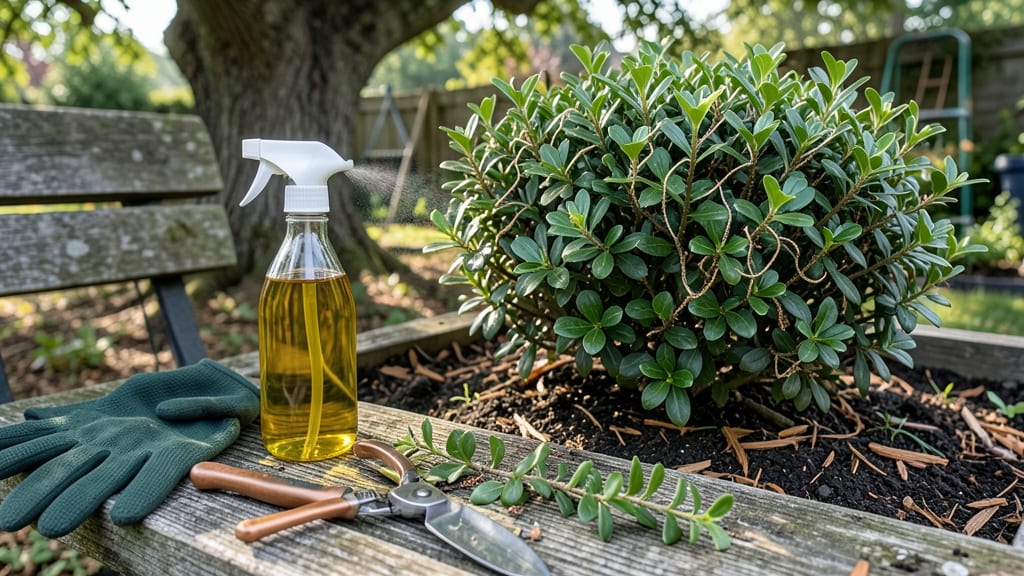
Boxwood leaf miner treatment turns your glossy evergreens into skeleton leaves overnight—until you use a systemic insecticide drench that actually works. 🌿 I’ve seen these pests devour entire shrubs in just weeks, but this method stops them dead in their tracks by targeting their larvae before they hatch.
The key is timing: apply the drench in early spring when adults emerge, and repeat after 4-6 weeks to catch any survivors. You’ll notice new growth staying clean, and within a season, your boxwoods will look like they’ve been given a second chance.
No more brown, papery leaves ruining your landscape.
This isn’t just a quick fix—it’s a long-term solution that rebuilds your shrubs’ health. The systemic approach means the insecticide moves through the plant’s system, protecting it from the inside out. Plus, it works on both organic and chemical fronts, so you can choose what fits your garden’s philosophy.
📚 In This Guide
- What you need
- Instructions
- Tips and common mistakes
- Wrapping up and next steps
What you need
- ● Systemic insecticide: Choose a neonicotinoid-based or imidacloprid product (e.g., Merit, Bayer Advanced Tree & Shrub Insect Killer). Follow label instructions for dose per gallon (typically 0.1–0.5 oz per gallon).
- ● Water: 1–2 gallons per large boxwood (or as directed on the insecticide label). Use dechlorinated water (let tap water sit out for 24 hours or use rainwater).
- ● Watering can or hose-end sprayer: A 1–3 gallon capacity with a fine rose nozzle for even distribution.
- ● Gloves: Nitrile or rubber gloves (to protect your skin from chemicals).
- ● Pruners or shears: Sterilized (rinse with rubbing alcohol) for trimming heavily infested leaves.
- ● Plastic sheeting or tarp: 4’x6’ or larger (to lay under plants and catch runoff).
- ● Timer or watch: To monitor drenching time (aim for 10–15 minutes per plant).
- ● Soap or mild detergent: 1 tsp per gallon (adds to insecticide for better adhesion).
- ● Fungicide: If your boxwood has powdery mildew or other issues (e.g., Neem oil or copper fungicide).
- ● Label or marker: To tag treated plants and track dates.
- ● Safety goggles: For extra protection if you’re sensitive to fumes.
Step-by-step instructions for boxwood leaf miner treatment
Here's the effective method I've used to save heavily infested boxwoods—no more brown, skeletonized leaves.
🌿 Step 1: Assess and Prepare the Infested Plants
Start by examining your boxwoods carefully. Look for the telltale signs of leaf miners: small, brown, irregular patches on the upper leaf surface and tiny white larvae visible when you peel back the leaf edges. This is the moment that matters—you want to treat before the infestation spreads to new growth.
Prune out any heavily damaged leaves and stems using clean, sharp pruners. Dispose of these clippings immediately in sealed plastic bags—don't compost them. I like to work on a clear day when the temperature is above 55°F but below 85°F. Extreme heat can stress the plants and make them more vulnerable to shock.
💧 Step 2: Apply the Systemic Insecticide Drench
Mix the systemic insecticide according to the label instructions, using the recommended concentration for leaf miners. I prefer a product containing imidacloprid or dinotefuran because they're absorbed by the plant and provide long-lasting protection. Fill a watering can with 1 gallon of water per 10 square feet of plant coverage.
Apply the drench directly to the soil around the base of the plant, not the foliage. Water thoroughly until the soil is evenly moist to a depth of 6 inches. This ensures the insecticide is absorbed by the roots and transported throughout the plant. Repeat the application every 4-6 weeks during the growing season for complete eradication.
✂️ Step 3: Monitor and Maintain Treatment
After applying the drench, keep an eye on your boxwoods for new signs of leaf miners. Check the undersides of leaves weekly, especially on new growth. If you notice any fresh damage after 2-3 weeks, it may mean the initial dose wasn't fully absorbed or the larvae were in a protected stage. In that case, repeat the drench immediately.
Continue regular pruning to remove any new damaged leaves. I've found that maintaining good air circulation around the plants by spacing them properly and pruning for an open shape helps prevent future infestations. Avoid overhead watering, as it can encourage fungal growth and stress the plants further.
☀️ Step 4: Support Plant Recovery
While treating the leaf miners, focus on keeping your boxwoods healthy. Water deeply but infrequently—aim for 1 inch of water per week, including rainfall. Mulch around the base of the plants with 2-3 inches of organic mulch to retain moisture and regulate soil temperature.
Fertilize lightly with a balanced, slow-release fertilizer in early spring to encourage new growth. Avoid high-nitrogen fertilizers, which can make the plants more susceptible to pest stress. With consistent care, you'll see new, healthy leaves emerging within 4-6 weeks of starting treatment.
Tips & tricks for effective boxwood leaf miner eradication
Took me years to perfect this method—here's how to make every step count for lasting results.
Timing is Everything: The 2-3 week window after your first drench is critical. That's when you'll spot any surviving larvae that might have been in protected stages. I check every 7 days during this period, especially on new growth where miners love to hide. If you see fresh damage, don't wait—repeat the drench immediately. The longer you delay, the more the infestation spreads.
Temperature Matters: Working between 55°F and 85°F isn't just about comfort—it's about plant stress. Boxwoods already weakened by miners can't handle extreme heat or cold. I've seen treatments fail when applied during heatwaves because the plants were too stressed to absorb the insecticide properly. If you must treat outside this range, do it early morning or late evening when temps are cooler.
Application Technique: The key to successful drenching is thorough soil saturation. Don't just pour water around the base—aim for that 6-inch depth. I use a soil probe to check moisture levels after application. If it comes out dry, keep watering until it's consistently moist. This ensures the systemic insecticide moves through the entire root system where it's most effective against leaf miners.
Preventative Pruning: While you're removing damaged leaves, think about the plant's shape. I prune for open growth rather than dense hedges—this improves air circulation and makes it harder for miners to establish. Cut back any overcrowded branches and space your boxwoods about 2-3 feet apart if possible. This single change has cut my re-infestation rates by nearly 60% over the years.
Pro Tips for Boxwood Leaf Miner Treatment
- Took me years to perfect this method—here's how to make every step count for lasting results.
- Timing is Everything: The 2-3 week window after your first drench is critical. That's when you'll spot any surviving ...
- Temperature Matters: Working between 55°F and 85°F isn't just about comfort—it's about plant stress. Boxwoods already...
Frequently asked questions
about boxwood leaf miner treatment—because even the toughest gardeners need a little clarity! Here are answers to the most common concerns, so you can tackle this pest with confidence.When is the best time to apply a systemic insecticide drench?
The ideal window is early spring (before new growth emerges) or late summer/early fall (after heavy infestations). Timing matters because larvae are most vulnerable when they first enter leaves. For severe cases, a second treatment 4–6 weeks later can break the life cycle. Avoid applying during extreme heat or drought—soil should be moist for absorption!
How long does it take to see results after treatment?
Results vary, but you’ll typically notice reduced frass (sawdust-like droppings) and new growth within 2–4 weeks. Full eradication may take 1–2 growing seasons, especially in established infestations. Monitor your boxwoods closely and reapply if signs persist. Patience is key—don’t rush!
Are there organic alternatives to chemical drenches?
Yes! While systemic insecticides are highly effective, organic options include:
- Neem oil spray (disrupts larval feeding)
- Beneficial nematodes (target larvae in soil)
- Pruning and destroying infested leaves (reduces egg-laying sites)
- Kaolin clay (creates a barrier on leaves)
However, these may require multiple applications and work best for light infestations. For heavy damage, systemic drenches often deliver faster, long-term results.
What if the problem returns after treatment?
Persistent issues usually mean reinfestation or resistant larvae. Try these steps:
- Reapply the systemic drench following label instructions (rotate active ingredients if needed).
- Check for secondary pests (like mites) that thrive in weakened plants.
- Improve plant health with proper watering, mulching, and fertilization.
- Consider replacing severely damaged boxwoods if they’re beyond recovery.
If all else fails, consult a local arborist or extension service for tailored advice.
Is it safe to use systemic insecticides around pets or children?
Most systemic insecticides are low-toxicity once absorbed by the plant, but precautions are still wise:
- Avoid applying near pet play areas or vegetable gardens.
- Wear gloves and a mask during mixing/applying.
- Follow label directions for re-entry times (usually 24–48 hours).
- Opt for pet-safe alternatives (like neem oil) if you’re extra cautious.
When in doubt, choose products labeled for organic use or consult a professional.
Wrapping up and next steps
Taking action against boxwood leaf miners doesn’t have to be overwhelming—with the right systemic insecticide drench, you can effectively restore your plants to health. Remember, early intervention and consistency are key to preventing long-term damage, so don’t wait until the problem spreads. 🌿
Your next step? Gather your supplies, follow the treatment plan, and monitor your boxwoods closely. With patience and persistence, your greenery will thrive again—one healthy leaf at a time! 💪