
Pests and Diseases
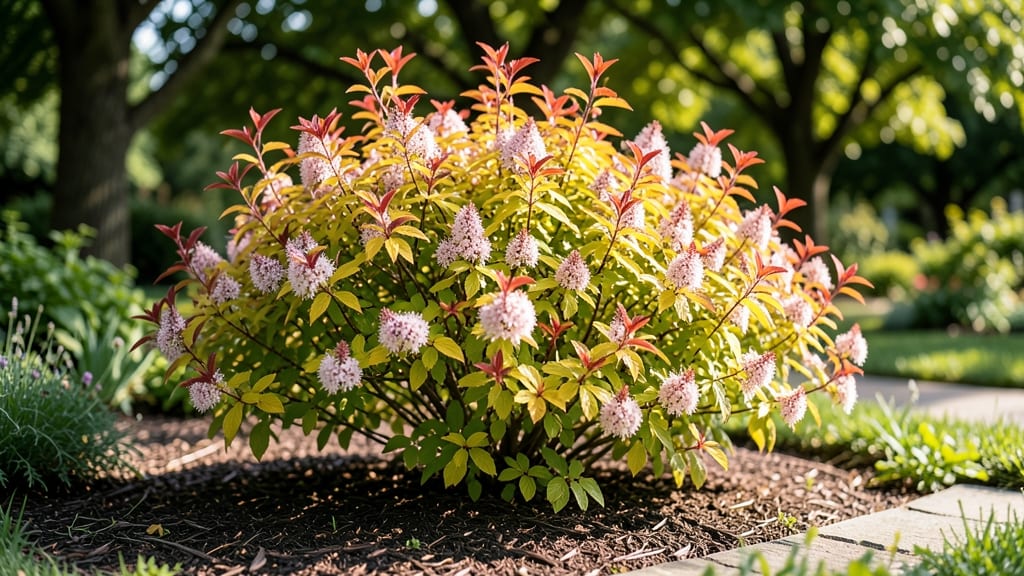
Birch leaf spirea transforms your garden into a year-round showpiece with its delicate foliage and persistent color. 🌿 I fell in love with this plant after my first season—it thrives where others fail, offering three-season interest with almost no fuss.
The fine-textured leaves resemble birch, while the airy blooms add softness to borders or mass plantings.
This hardy shrub (zones 3-8) loves full sun to partial shade and tolerates most soils, even dry or rocky ones. Plant in spring or early fall when roots establish easily, spacing them 3-4 feet apart for that airy, natural look.
Unlike fussy shrubs, birch leaf spirea rarely needs pruning—just trim back 1/3 of old stems in late winter to encourage fresh growth.
What you’ll get is a low-maintenance plant that stays compact, resists deer, and handles urban pollution better than many shrubs. The silver-blue foliage in spring shifts to golden hues in fall, while pinkish-white blooms appear in late spring to early summer.
Perfect for cottage gardens, pollinator-friendly landscapes, or as a living accent in containers.
Propagation is simple—just take softwood cuttings in summer or divide established clumps in spring. For pest control, watch for spider mites (spray with water) and powdery mildew (improve airflow).
Use it as a border plant, understory shrub, or even a ground cover substitute in sunny spots where grass won’t grow.
📚 In This Guide
- What you need
- Instructions
- Tips and common mistakes
- Wrapping up and next steps
What you need
- ● Birch leaf spirea plants (3–5 plants per 100 sq. ft. for full coverage; choose from Spiraea betulifolia varieties like 'Tiny Wine' or 'Golden Carpet').
- ● Well-draining soil mix (50% native soil + 50% compost or peat moss for optimal aeration).
- ● Organic mulch (2–3 inches of shredded bark or pine needles to retain moisture and suppress weeds).
- ● Slow-release fertilizer (10-10-10 or 5-10-5 NPK ratio, 1 lb. per 100 sq. ft.).
- ● Pruning shears (bypass pruners, sharp and sterilized to avoid disease).
- ● Garden trowel (for transplanting seedlings or dividing clumps).
- ● Garden hose or watering can (with a fine rose nozzle for gentle watering).
- ● Gloves (gardening gloves to protect hands from thorns and soil).
- ○ Stakes or plant ties (optional, for young plants in windy areas).
- ○ pH testing kit (optional but helpful; ideal soil pH: 6.0–7.0).
- ● Full sun to partial shade (6+ hours of sunlight daily for best foliage color).
- ● Hardiness zone 3–8 (check your local climate compatibility).
- ● Disease-free site (avoid planting where roses or other spireas have failed due to fungal issues).
Step-by-step instructions for planting and caring for birch leaf spirea
Here's how to establish vibrant, low-maintenance birch leaf spirea that thrives with minimal fuss.
🌱 Step 1: Select and Prepare the Planting Site
Birch leaf spirea thrives in full sun to partial shade, with at least 4-6 hours of direct sunlight daily. Choose a location with well-draining soil—this plant despises soggy roots. I always test drainage by digging a 12-inch-deep hole and filling it with water; if it doesn't drain within 2 hours, amend the soil with 2-3 inches of compost or sand to improve porosity.
For year-round color, plant in a spot where you can enjoy its white spring blooms, deep purple fall foliage, and winter interest from its exfoliating bark. The plant's airy, birch-like leaves create movement in the breeze, making it a standout in mixed borders or as a focal point in cottage gardens.
🪴 Step 2: Plant Bare-Root or Container-Grown Spirea
For bare-root plants, soak the roots in lukewarm water for 1 hour before planting to revive them. Dig a hole twice as wide and just as deep as the root ball. Gently loosen the roots if they're circling and position the plant so the top of the root ball sits 1 inch below soil level—this prevents stem rot while allowing for settling.
Fill the hole with native soil mixed with 1 part compost to encourage strong root establishment. Water deeply to eliminate air pockets, then add a 2-inch layer of mulch around the base, keeping it 3 inches away from the trunk to prevent moisture buildup. This mulch layer retains soil moisture while protecting roots from temperature swings.
☀️ Step 3: Water and Fertilize for Establishment
Keep the soil consistently moist but not waterlogged for the first 4-6 weeks—water when the top 2 inches of soil feel dry. You'll know you're doing it right when the soil holds moisture but doesn't feel soggy. Overwatering at this stage leads to root rot, which is nearly impossible to correct once established.
Apply a balanced, slow-release fertilizer (10-10-10) at planting time, then again in early spring. I avoid high-nitrogen fertilizers—they encourage leafy growth at the expense of those stunning fall colors. Instead, focus on phosphorus and potassium to support blooming and foliage development.
✂️ Step 4: Prune Strategically for Year-Round Interest
The beauty of birch leaf spirea is its minimal pruning needs. In late winter or early spring, remove dead, damaged, or crossing branches at the base. Cut just above a bud that faces outward to encourage an open, airy growth habit. Avoid heavy pruning—this plant blooms on new wood, so pruning too aggressively reduces next year's flowers.
For shape, you can lightly trim back 1/3 of the oldest stems each year to make room for new growth. The goal is to maintain a natural, layered look. If you notice leggy growth, it's a sign of insufficient light—move the plant to a sunnier spot or thin nearby competitors for better air circulation.
🌿 Step 5: Maintain Through Seasons for Longevity
Birch leaf spirea is remarkably low-maintenance once established. In fall, leave the seed heads and dried blooms for winter interest—they provide texture and food for birds. Remove them in early spring before new growth emerges to keep the plant tidy. Apply a 2-inch layer of mulch annually in late fall to insulate roots and retain moisture.
Watch for signs of stress: yellowing leaves often indicate overwatering, while brown, crispy edges signal underwatering or too much sun. If you notice powdery mildew on the foliage, improve air circulation by pruning nearby plants or spacing them further apart. This hardy shrub rarely has pest issues, but aphids may appear—simply spray with water to dislodge them if they do.
Tips & tricks for perfect birch leaf spirea planting
These insider secrets will help you establish a thriving birch leaf spirea that delivers year-round beauty with minimal effort.
Site Selection Strategy: When evaluating sunlight, prioritize the western or southern exposure for that crucial 4-6 hours of direct light—these spots get the most intense afternoon sun without the harsh midday glare. I've found that partial shade in hot climates (like under a high-canopy tree) actually preserves the deep purple fall foliage better by preventing leaf scorch. The 12-inch drainage test is non-negotiable: if water lingers, add that 2-3 inches of compost or sand to create a proper root zone.
Root Revival Technique: That 1-hour lukewarm soak for bare-root plants isn't just about hydration—it kickstarts root activity. I like to add a splash of unflavored gelatin (1/4 teaspoon per gallon of water) to the soaking solution for an extra boost of root growth hormones. This simple trick helps compensate for transplant shock, especially in cooler spring plantings.
Mulching Mastery: The 2-inch mulch layer should be organic (like shredded bark or straw) to prevent soil compaction while breaking down to nourish roots. Here's the secret: refresh that mulch annually in late fall—but only after removing the old layer first. Fresh mulch piled directly against the trunk can smother stems and invite rot, so keep it 3 inches away from the base at all times.
Pro Tips for Birch Leaf Spirea
- These insider secrets will help you establish a thriving birch leaf spirea that delivers year-round beauty with minimal effort.
- Site Selection Strategy: When evaluating sunlight, prioritize the western or southern exposure for that crucial 4-6 hours of direct light—these spots get the most intense afternoon sun without the harsh midday glare.
- Root Revival Technique: That 1-hour lukewarm soak for bare-root plants isn't just about hydration—it kickstarts root activity.
Frequently asked questions
Got questions about birch leaf spirea? You’re not alone!
This hardy shrub is a favorite for its vibrant foliage and low-maintenance nature, but even pros have a few go-to queries. Below, we’ve rounded up the most common questions—and answers—to help you grow a thriving birch leaf spirea with confidence.
What’s the best time to plant birch leaf spirea?
Plant your birch leaf spirea in early spring or early fall when soil temperatures are cool (50–70°F). This gives roots time to establish before summer heat or winter frost. Avoid planting in extreme heat—roots can dry out or struggle to acclimate. Pro tip: Water deeply after planting to settle soil around the roots!
How often should I prune birch leaf spirea?
One of its biggest perks? Minimal pruning! Trim just once a year—ideally in late winter or early spring—to remove dead, crossing, or overcrowded branches. Lightly shape it if needed, but avoid heavy cuts. Warning: Pruning too aggressively can reduce its stunning foliage display.
What pests or diseases should I watch for?
Birch leaf spirea is highly resistant to pests and diseases, but keep an eye out for spider mites (dry conditions) or powdery mildew (humid climates). Treat mites with a strong spray of water or insecticidal soap; improve airflow to prevent mildew. Good news: Healthy plants rarely need intervention!
Can birch leaf spirea survive in cold climates?
This shrub thrives in USDA Zones 3–8, making it perfect for cold-hardy gardens. It tolerates winter temperatures down to -40°F and even handles snow. Just ensure it’s planted in well-draining soil to avoid root rot in soggy conditions.
Are there any good alternatives if I can’t find birch leaf spirea?
If your local nursery is out of stock, try these low-maintenance, colorful shrubs:
- Dwarf ninebark (Physocarpus opulifolius): Similar foliage, great for pollinators.
- Japanese spirea (Spiraea japonica): Compact and drought-tolerant.
- Smokebush (Cotinus): Adds smoky purple plumes for extra drama.
Wrapping up and next steps
Birch Leaf Spirea is a low-maintenance, high-reward plant that brings year-round beauty to your garden with minimal effort.
Whether you're a seasoned gardener or just starting out, its resilient nature and vibrant foliage make it a standout choice—just be mindful of pests like spider mites and fungal diseases to keep it thriving. Ready to transform your landscape?
Grab your gloves, pick out a sunny spot, and start planting today! 🌿✨
Next steps:
- Choose your perfect birch leaf spirea variety.
- Prep your soil and get planting!
- Join gardening forums to share your progress and tips!