
Leaf Blower
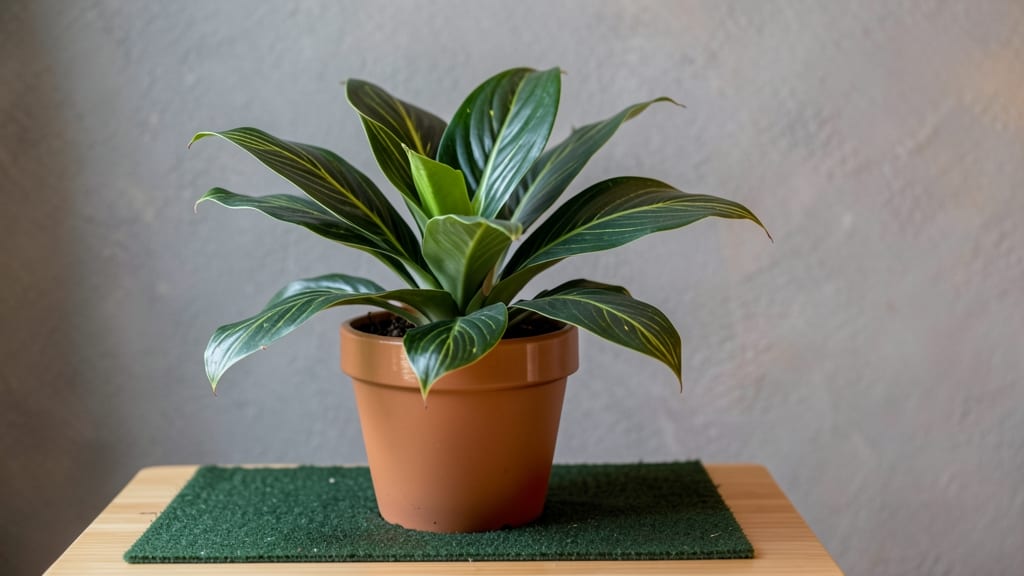
Growing a banana leaf palm (Musa basjoo) means bringing a slice of the tropics to your patio—even if you live in a cooler climate. 🌿 These towering beauties thrive in containers, their broad, banana-like leaves rustling dramatically in the breeze.
The key is mimicking their natural habitat: rich soil, consistent moisture, and protection from cold snaps that would send them into shock. Start with a 15-gallon container and well-draining potting mix mixed with compost for that lush, tropical growth.
Place it where it gets bright, indirect light—think morning sun and afternoon shade—to prevent leaf scorch. Water deeply when the top inch of soil feels dry, and you’ll see those signature leaves unfurl with striking speed, sometimes growing 12+ inches in a single season.
📚 In This Guide
- What you need
- Instructions
- Tips and common mistakes
- Wrapping up and next steps
What you need
- ● Banana leaf palm: A healthy nursery-grown plant (3–5 gallons in size) or seeds (if starting from scratch). Pro tip: 🌱 Seeds take 5+ years to mature—opt for a young plant for faster results!
- ● Container: A durable, well-draining pot (18–24" diameter) with drainage holes. Terracotta or fiberglass works best for heat retention.
- ● Potting mix: 60% well-draining soil: Mix cactus/succulent mix or orchid bark with perlite (50/50 ratio).
- ● 40% organic matter: Add peat moss or compost for nutrients.
- ● Fertilizer: A balanced palm fertilizer (e.g., 8-8-8 or 10-10-10) or slow-release granules (apply at planting and mid-season).
- ● Mulch: Orchid bark or pine needles (1–2 inches) to retain moisture and regulate temperature.
- ● Gloves & trowel: For handling soil and planting.
- ● Watering can or hose: With a gentle spray nozzle (avoid overwatering!).
- ○ pH test kit (optional): Ideal soil pH: 5.5–6.5 (slightly acidic).
- ○ Support stake (optional): For young palms to prevent leaning in windy conditions.
- ○ Humidity tray (optional): A pebble tray with water to boost humidity in dry climates.
Step-by-Step instructions for cultivating banana leaf palm in containers
Here's how to nurture this striking tropical plant into a thriving centerpiece that brings lush, architectural drama indoors.
🪴 Step 1: Select the Right Container and Drainage
Choose a 12-14 inch diameter container with multiple drainage holes—banana leaf palms hate soggy roots. I prefer unglazed ceramic pots because they wick away excess moisture through the walls while maintaining humidity around the roots. If using plastic, ensure the holes are ¼ inch or larger to prevent clogging.
Add a 2-3 inch layer of coarse gravel or orchid bark at the bottom before soil. This creates crucial airflow at the root zone and prevents compaction. Tap the container gently after adding drainage material to settle it evenly—you'll see the pieces form a stable base that won't shift when you add soil later.
🌱 Step 2: Prepare the Ideal Growing Medium
Use a well-draining potting mix formulated for tropical plants or palms. I blend 60% peat moss, 30% perlite, and 10% orchid bark for perfect aeration. Avoid garden soil—it compacts in containers and suffocates roots. Moisten the mix until it holds together when lightly squeezed but doesn't form a tight ball.
Fill the container to 1 inch below the rim, leaving space for watering. Press the soil down gently with your fingers to remove air pockets while maintaining loose structure. The surface should look slightly uneven—this helps water distribute evenly when you water from above later.
☀️ Step 3: Plant and Position for Optimal Light
Remove the banana leaf palm from its nursery pot and gently loosen the root ball if it appears compacted. Place it in the center of your prepared container, ensuring the crown sits just above soil level—burying it too deep causes rot. Fill gaps with additional moist mix, pressing lightly to secure the plant without compacting.
Position in bright, indirect light—think filtered sun through sheer curtains. Direct sunlight burns the delicate fronds, while too little light causes leggy growth. You'll know the light is right when new fronds emerge upright and vibrant green, not stretched or yellowing. Rotate the pot a quarter turn weekly to encourage even growth.
💧 Step 4: Establish a Consistent Watering Routine
Water thoroughly until water drains freely from the bottom holes, then empty the saucer after 15 minutes. Let the top 1-2 inches of soil dry out between waterings—stick your finger in to check. Overwatering is the #1 killer of banana leaf palms, so I always wait until the soil feels dry to touch before adding more moisture.
Mist the fronds 2-3 times weekly with room-temperature water to maintain humidity. In dry climates, I place the pot on a pebble tray filled with water—just ensure the pot doesn't sit directly in water. You'll notice the plant thrives when the fronds stay plump and vibrant, not crispy or drooping.
✂️ Step 5: Fertilize and Prune for Healthy Growth
Feed every 4-6 weeks during spring and summer with a balanced liquid fertilizer (10-10-10) diluted to half strength. I skip fertilizing in fall/winter when growth slows. Always water the plant first to prevent root burn—fertilizer burns are permanent damage you can't reverse.
Remove yellow or brown fronds at the base with clean, sharp pruners. Cut just above the next growth node to encourage new frond production. Never prune healthy fronds—wait until they show signs of decline. After pruning, wipe the fronds with a damp cloth to remove dust, which helps them absorb light more efficiently.
Tips & tricks for perfect banana leaf palm cultivation
These insider tricks will help you transform your banana leaf palm from a struggling houseplant into a showstopping tropical centerpiece.
The Drainage Difference: I learned this the hard way after losing two banana leaf palms to root rot—never skip the 2-3 inch layer of coarse gravel or orchid bark at the bottom of your container. This isn't just about drainage; it's about creating an oxygen-rich root zone. Tap the container gently after adding this layer to prevent shifting, which could create air pockets that trap moisture and lead to rot. The goal is a stable base that mimics the plant's natural, well-aerated growing conditions.
Soil Science Matters: That 60% peat moss, 30% perlite, 10% orchid bark mix isn't arbitrary—it's designed to balance moisture retention with airflow. When pressing the soil down in Step 2, aim for a texture that's firm enough to stay in place but still crumbles easily between your fingers. This prevents compaction while maintaining structure. Pro tip: Add a handful of worm castings to this mix for an extra nutrient boost without risking root burn.
Lighting Secrets: The "bright, indirect light" description in Step 3 can be tricky to interpret. Think of it as sunlight that's been diffused—like what you'd get under a sheer curtain on a south-facing window. If your plant starts developing yellow fronds or stretching toward the light, it's getting either too much direct sun or not enough light. Rotate that quarter turn weekly to prevent the plant from leaning toward one light source, which creates uneven growth patterns that are hard to correct later.
Watering Wisdom: The 15-minute drainage time after watering is non-negotiable—this ensures excess water completely exits the system. I've seen beginners skip this step because they think the plant needs constant moisture, but banana leaf palms actually prefer their roots to dry out slightly between waterings. Use your finger to check moisture levels: if the top 1-2 inches feel dry, it's time to water. For extra humidity in dry climates, place your pot on a pebble tray with water—but never let the pot sit directly in water, as this can lead to root rot.
Pro Tips for Banana Leaf Palm
- These insider tricks will help you transform your banana leaf palm from a struggling houseplant into a showstopping tropical centerpiece.
- The Drainage Difference: I learned this the hard way after losing two banana leaf palms to root rot—never skip the 2-3 inch layer of coarse gravel or orchid bark at the bottom of your container.
- Soil Science Matters: That 60% peat moss, 30% perlite, 10% orchid bark mix isn't arbitrary—it's designed to balance moisture retention with airflow.
Frequently asked questions
Got questions about growing Banana Leaf Palm (Musa basjoo) in containers?
You’re not alone! Here are answers to the most common queries to help you cultivate this stunning tropical plant with ease.
How fast does a Banana Leaf Palm grow in a container?
A Banana Leaf Palm can grow 2–3 feet per year in ideal conditions—think warm temperatures, bright (but indirect) light, and regular watering. In containers, growth may slow slightly compared to in-ground planting, but it still thrives with proper care. Prune older fronds to encourage new growth and keep it lush!
How often should I water my Banana Leaf Palm in a pot?
Water when the top 1–2 inches of soil feel dry (usually every 5–7 days in summer, less in winter). Overwatering is risky—ensure pots have drainage holes to prevent root rot. Pro tip: Use well-draining soil mixed with perlite or orchid bark to mimic its natural habitat.
Can Banana Leaf Palm survive winter in containers?
Yes! While it’s hardy to USDA Zone 7, protect it from frost by moving pots to a garage, shed, or covered porch when temps drop below 20°F. If left outside, mulch the base and wrap the pot in burlap for insulation. Resume outdoor care in spring once frost risk passes.
What’s the best alternative if I can’t grow Banana Leaf Palm?
Try these low-maintenance, tropical-looking palms for containers:
- Areca Palm (Dypsis lutescens) – Hardy and pet-friendly.
- Parlor Palm (Chamaedorea elegans) – Thrives in low light.
- Kentia Palm (Howea forsteriana) – Slow-growing and elegant.
Why are the leaves turning yellow or brown?
Yellowing leaves often signal overwatering or poor drainage, while brown tips usually mean underwatering or low humidity. Check soil moisture, adjust watering, and mist leaves occasionally. Pro tip: Yellow fronds can be trimmed at the base to redirect energy to new growth—just avoid cutting healthy green leaves!
Wrapping up and next steps
The banana leaf palm isn’t just a stunning tropical accent—it’s a low-maintenance, rewarding plant that thrives with the right care.
Whether you’re a beginner or a seasoned gardener, its adaptability and lush foliage make it a perfect fit for containers, bringing year-round greenery to patios, balconies, or even indoor spaces. 🌿
Ready to transform your space? Start by gathering your supplies, then follow the steps to nurture your palm with confidence. Plant one today—your tropical oasis awaits! 🌴✨