
Pests and Diseases
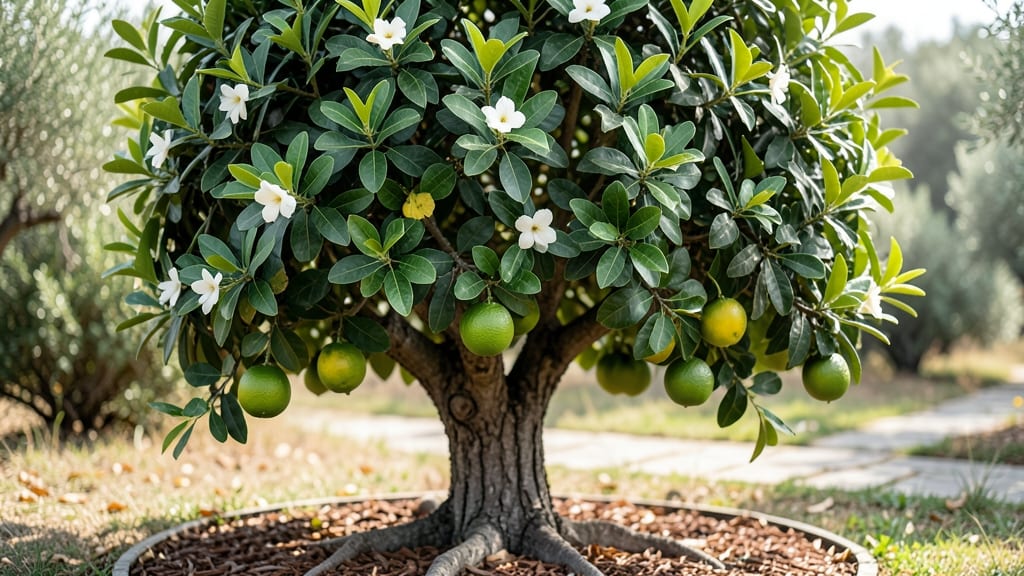
Growing Asian sour leaf (Citrus hystrix) means adding a fragrant, citrusy plant to your garden that’s as useful in the kitchen as it is beautiful. 🌿 This tropical relative of lemongrass thrives in warm climates but can also grow in containers if you live in cooler zones—just bring it indoors before frost hits.
The key is replicating its natural habitat with bright, indirect light and well-draining soil. The plant loves heat and humidity, so if you’re in a dry climate, mist the leaves occasionally or place a tray of water nearby.
It’s not fussy about soil as long as it drains well—regular potting mix with a bit of sand works perfectly. Water when the top inch of soil feels dry, but avoid soggy roots, which can lead to yellowing leaves or root rot.
Once established, Asian sour leaf grows quickly, so occasional pruning keeps it compact and encourages bushier growth. Snip back leggy stems in early spring to promote new shoots.
The leaves themselves are the star—they’re packed with citrusy flavor and used in Southeast Asian cooking, but they also make a striking ornamental plant with their glossy, wavy foliage. Common issues like yellowing leaves or pests (like spider mites) are easy to fix with proper care.
If you notice yellowing, check for overwatering or nutrient deficiencies. For pests, a simple spray of neem oil or insecticidal soap usually does the trick. With the right conditions, this plant will reward you with years of fragrant, flavorful harvests.
📚 In This Guide
- What you need
- Instructions
- Tips and common mistakes
- Wrapping up and next steps
What you need
- ● Asian sour leaf (also called "sour leaf" or "suan cai"): 1 large bunch (about 8–10 oz or 225–280g). Look for fresh, crisp leaves with a slightly bitter, tangy aroma.
- ● Garlic: 3–4 cloves, minced or crushed for that aromatic punch.
- ○ Chili pepper (optional but recommended): 1–2 Thai or bird’s eye chilies, sliced (adjust for spice tolerance!).
- ● Fish sauce: 1 tbsp (15ml). A staple in Southeast Asian cooking for umami depth.
- ● Lime or lemon juice: 1–2 tbsp (15–30ml). Freshly squeezed for that bright, zesty tang.
- ● Sugar or palm sugar: ½ tsp (2g). Balances the sourness—just a pinch!
- ● Salt: ½ tsp (3g), or to taste.
- ● Vegetable oil: 1 tbsp (15ml), for sautéing.
- ● Water: ½ cup (120ml), for steaming or quick boiling.
- ● Cutting board and sharp chef’s knife (for clean, even slices).
- ● Large skillet or wok (preferably non-stick or cast iron).
- ● Steamer basket or colander (if steaming the leaves).
- ● Mixing bowl (for tossing the dressing).
- ● Measuring spoons (for precise seasoning).
- ● Tongs or spatula (for flipping leaves gently).
- ● Shallots or scallions: 1–2 tbsp, sliced for extra flavor.
- ● Shrimp or pork: ½ lb (225g), sliced thin for a protein boost.
- ● Sesame oil: ½ tsp (2ml) for a nutty finish.
- ● Toasted garlic or chili oil: 1 tsp for depth.
- ● Fresh herbs: Cilantro or Thai basil for garnish.
How to grow Asian sour leaf at home for fresh, zesty greens
Skip the store-bought jars and grow your own vibrant Asian sour leaf—it’s easier than you think and packed with that signature tangy punch.
🌱 Step 1: Choose the Right Variety and Start Seeds Indoors
Asian sour leaf (or xà lách in Vietnamese) thrives from seed, so grab a packet of organic seeds—look for varieties like Vietnamese Coriander or Asian Mustard Greens. I like to start mine indoors 6-8 weeks before the last frost, using 2-3 inch deep biodegradable pots filled with sterile seed-starting mix. The key here is patience: these seeds germinate best in cool soil (60-65°F).
Sow seeds ¼ inch deep and space them ½ inch apart in the pot. Mist the soil lightly with a spray bottle—don’t drown them. Cover the pot with plastic wrap or a humidity dome to keep moisture high, and place it in a bright, indirect light spot (like a north-facing windowsill). Germination takes 7-14 days, so check daily for those first tiny sprouts.
💧 Step 2: Thin Seedlings and Harden Off Before Transplanting
Once seedlings have 2-3 true leaves (not just the initial cotyledons), it’s time to thin. Use scissors to snip the weaker seedlings at soil level—leave the strongest one per pot. This prevents overcrowding, which leads to leggy, weak plants. I always label my pots with the date so I don’t forget when to transplant.
2 weeks before your last frost date, start hardening off the seedlings. Move them outside to a shaded, sheltered spot for 1-2 hours the first day, gradually increasing time over 7-10 days. Watch for wilting or yellowing leaves—if you see this, they’re not ready yet. Hardened-off plants will bounce back quickly from outdoor conditions.
☀️ Step 3: Plant Outdoors in Partial Shade for Best Flavor
Transplant seedlings 12-18 inches apart in well-draining soil enriched with compost. Asian sour leaf loves partial shade (3-6 hours of sun daily)—too much direct sun makes the leaves bitter. I plant mine near taller vegetables (like tomatoes or peppers) to filter the light naturally. Water deeply after transplanting to settle the roots.
Keep the soil consistently moist but not soggy—let the top ½ inch dry out between waterings. You’ll see new growth within 7-10 days, and that’s when the real fun begins. The leaves develop their signature tangy, slightly bitter flavor when harvested young—3-4 inches tall is ideal for peak taste.
✂️ Step 4: Harvest and Encourage Continuous Growth
Harvest outer leaves first, cutting just above a set of leaves to encourage regrowth. This method keeps the plant producing for weeks longer than cutting the whole plant. I like to harvest in the morning after dew dries—the leaves are crispest then. Store unused leaves in a damp paper towel in the fridge for 3-5 days, or blanch and freeze for later.
Asian sour leaf bolts (goes to seed) quickly in heat, so if your summers are hot, succession plant every 2-3 weeks for a steady supply. In cooler climates, it’s a winter hardy green—just protect with row covers if frost threatens. The more you harvest, the more it grows, so don’t be shy!
Tips & tricks for perfect Asian sour leaf growth
Growing your own Asian sour leaf at home is simpler than you'd think—here's how to avoid common pitfalls and maximize that signature tangy flavor.
Seed Starting Wisdom: The 6-8 week indoor head start is your secret weapon for beating the heat. Use a heat mat if your home stays below 65°F—seeds germinate poorly in warmer soil. I've learned the hard way that skipping this step often results in weak seedlings that struggle to survive transplanting. Place your seed trays on a damp towel to maintain consistent moisture without overwatering.
Thinning Technique: When your seedlings reach 2-3 true leaves, don't just pull them—use clean scissors to snip at soil level. This prevents disturbing the roots of your remaining plants. I've seen beginners tug seedlings out, which can damage the root systems of neighboring plants. Label your pots with the thinning date to track growth progress accurately.
Hardening Off Hack: The gradual 7-10 day hardening process is crucial, but don't rush it. Start with just 1-2 hours on the first day, then increase by 1 hour each subsequent day. Watch for wilting—this is your cue to slow down. I've ruined batches by moving seedlings outside too quickly, so trust the process and let them adapt naturally.
Sunlight Strategy: Asian sour leaf thrives in partial shade, but "partial" means different things in different climates. In hotter regions, provide afternoon shade using shade cloth or plant near taller companions like tomatoes. In cooler areas, you can tolerate up to 6 hours of morning sun. The key is avoiding the intense midday rays that turn leaves bitter.
Pro Tips for Asian Sour Leaf
- Growing your own Asian sour leaf at home is simpler than you'd think—here's how to avoid common pitfalls and maximize that signature tangy flavor.
- Seed Starting Wisdom: The 6-8 week indoor head start is your secret weapon for beating the heat.
- Thinning Technique: When your seedlings reach 2-3 true leaves, don't just pull them—use clean scissors to snip at soil level.
Frequently asked questions
What is Asian sour leaf, and how is it different from regular greens?
Asian sour leaf (also called sour gourd or xian qie) is a unique bitter green with a sharp, tangy flavor—unlike mild greens like spinach. It’s often used in stir-fries, soups, or pickled dishes. The bitterness mellows when cooked, but it still packs a zesty punch! Think of it as a mix between kale and a citrusy herb.
Can I substitute Asian sour leaf with another green if I can’t find it?
Yes! If you’re in a pinch, try bitter melon (bitter gourd), dandelion greens, or even mustard greens—but expect a milder taste. For tanginess, add a splash of rice vinegar or lime juice to mimic the sour kick. Avoid overly sweet greens like romaine; they won’t cut through rich dishes the same way.
How long does it take to cook Asian sour leaf properly?
Cooking time is 3–5 minutes max—overcooking turns it mushy and dulls the flavor. Blanch whole leaves in boiling water for 1 minute, then shock in ice water to soften slightly. For stir-fries, add it last (after proteins/veggies) to preserve its texture and tang. Pro tip: Wilt it first in a hot pan with oil to reduce bitterness!
My Asian sour leaf looks wilted or slimy—is it still safe to use?
If the leaves are soft, yellowing, or slimy, they’re past their prime. Discard them! Fresh sour leaf should be crisp, dark green, and slightly bitter-smelling. Store unwashed leaves in a paper towel-lined bag in the fridge for up to 5 days. For longer storage, blanch and freeze—just thaw and drain well before cooking.
Why does my dish taste too bitter after cooking?
Bitterness usually means undercooking or overwhelming the flavor. Balance it with:
- Sweet: Garlic, ginger, or a drizzle of honey
- Salty: Soy sauce or fish sauce
- Acidic: Vinegar or chili (cuts bitterness naturally)
Wrapping up and next steps
Discovering the bold flavors of Asian sour leaf—also known as xīn cài—is a game-changer for your kitchen! 🌱 Whether you’re tackling pests naturally, adding a tangy twist to stir-fries, or exploring unique greens, this versatile leaf delivers both flavor and function.
Its sharp, citrusy kick and tender texture make it a standout ingredient, perfect for health-conscious cooks and adventurous eaters alike.
Ready to elevate your meals? Start small: try it in a quick stir-fry or salad, then experiment with bold dishes like sour leaf hot pot or pickled greens. Your taste buds—and your garden—will thank you! 🍽️✨