
Planting
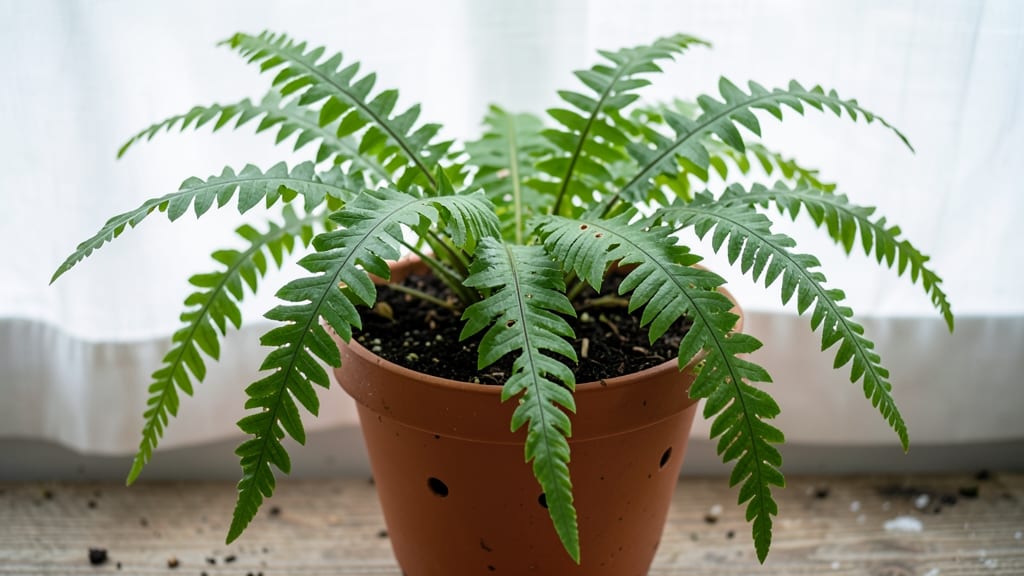
The 5-leaf shiny plant—with its velvety, deep-green leaves—is the unsung hero of houseplant collections. 🌿 I’ve grown mine for years, and its glossy foliage stays vibrant even when other plants struggle through winter.
The secret lies in its love of bright, indirect light and well-draining soil, plus a watering routine that mimics its natural habitat.
This plant thrives in containers with drainage holes, where its roots stay happy without sitting in soggy soil. A mix of potting soil and perlite keeps it from getting waterlogged, and misting the leaves occasionally keeps them looking fresh.
Unlike fussy houseplants, this one forgives minor neglect—just don’t let it dry out completely.
By spring, you’ll notice new growth emerging from the center, and those leaves stay shiny and healthy all year. The plant’s compact size makes it perfect for shelves, desks, or even hanging baskets. It’s the kind of plant that rewards patience with lush, eye-catching foliage.
Whether you’re identifying a mystery plant or looking to add a low-maintenance beauty to your collection, this guide covers everything. Let’s get those leaves glowing!
Why Leaves Lose Their Gloss
The stunning, waxy shine of a 5-leaf shiny plant (like Pilea peperomioides or Alocasia varieties) isn’t just eye-catching—it’s a sign of optimal health. But when that gloss fades, turning dull or streaky, it’s your plant’s way of signaling stress.
Let’s break down the real culprits behind that lost luster, so you can bring back the shine.
Water is the #1 factor in leaf shine—too much or too little throws the plant’s hydration balance off, dulling its natural waxy coating.
- Overwatering:
- Excess moisture dilutes the waxy cuticle (the plant’s protective, shiny layer), making leaves appear soggy and dull.
- Root rot disrupts nutrient absorption, leading to yellowing or brown patches that strip away shine.
- 💡 Test it: Stick your finger 1–2 inches into the soil. If it’s damp (not bone-dry, not soaked), hold off on watering.
- Underwatering:
- Leaves curl inward to conserve moisture, and the cuticle collapses, losing its reflective quality.
- Dry edges or crispy tips are classic signs—your plant is thirsty for hydration, not just water.
- 🌡️ Fix it: Water deeply until it drains from the bottom, then wait until the top inch of soil feels dry before repeating.
Shiny leaves thrive in bright, indirect light—too much or too little sends them into survival mode, dimming their glow.
- Too Much Direct Sun:
- UV rays bleach the waxy layer, causing white or yellow patches (like sunburn).
- Leaves may crinkle or scorch along edges, losing their smooth, reflective surface.
- 🔥 Solution: Move to a spot with filtered light (e.g., east-facing window or 2–3 feet from a south window).
- Too Little Light:
- Plants stretch (etiolation) toward light, making leaves longer and thinner with a dull, pale green hue.
- The cuticle weakens without enough energy (photosynthesis), leading to a matte finish.
- ✨ Boost it: Supplement with a grow light (12–14 hours/day) if natural light is lacking.
These tropical beauties hate extremes. Sudden changes in temperature or dry air strip away the protective wax, leaving leaves looking dusty or leathery.
- Low Humidity:
- Air dryness evaporates moisture from the cuticle faster than it can replenish, causing dull, papery leaves.
- Brown tips or curling edges are classic signs your plant is thirsting for humidity.
- 💡 Fix it: Aim for 50–70% humidity—use a pebble tray, humidifier, or mist leaves lightly (avoid over-saturating).
- Temperature Fluctuations:
- Drafts (from AC, heaters, or open windows) cause cold stress, making leaves wilt or develop dark spots.
- Extreme heat (>85°F) or cold (<60°F) disrupts wax production, leaving a sticky or dull residue.
- 🎯 Keep it steady: Place in a consistent 65–80°F zone, away from vents or doors.
Tiny invaders or hidden pathogens can chew, clog, or coat leaves, blocking their natural shine.
- Spider Mites or Mealybugs:
- These pests suck sap from leaves, leaving stippled or white webbing that dulls the surface.
- Infested leaves may yellow or drop, taking their shine with them.
- 🔪 Treat it: Wipe leaves with neem oil or rinse with soapy water (1 tsp mild soap per quart).
- Powdery Mildew:
- A white, dusty fungus coats leaves, blocking light and suffocating the waxy layer.
- Leaves may yellow and crisp, losing their gloss entirely.
- 🌿 Prevent it: Improve airflow, avoid overhead watering, and spray with baking soda solution (1 tsp per quart of water).
🔍 Pro Tip: Before diagnosing, wipe a leaf with a damp cloth—if the shine returns temporarily, the issue is likely surface-level (dust, pests, or residue). If not, dig deeper into water, light, or humidity!
Revive Your Glossy-Leafed Green Friend
Got a five-leafed beauty with dull, droopy, or discolored foliage? Don’t toss it yet! Here’s your step-by-step guide to diagnosing common issues and bringing back that lush, shiny leaf shine—fast. Each solution is paired with a prevention tip to keep your plant thriving long-term.
Cause: Too much or too little water stress can scorch or suffocate roots, turning leaves yellow, brown, or crispy.
How to Fix It:
- Check the Soil 🔍
- Stick your finger 1-2 inches deep. If it’s soggy (like a sponge), your plant’s drowning. If it’s bone-dry, it’s thirsty.
- Pro Tip: Use a moisture meter for accuracy—no more guesswork!
- Adjust Your Watering Routine 💦
- Overwatered? Let the top 2 inches dry out before watering again. Repot if soil stays compacted.
- Underwatered? Water deeply until it drains from the bottom, then empty the saucer to avoid root rot.
- Repot if Needed 🏺
- If roots smell foul or look mushy, trim the bad ones with sterilized scissors and repot in fresh, well-draining soil.
Prevent It:
- Water only when the topsoil is dry (varies by season—less in winter!).
- Use pots with drainage holes and a mix of peat, perlite, and bark for airflow.
Cause: Dry air or dust buildup dulls those glossy leaves, making them look lackluster.
How to Fix It:
- Clean the Leaves 🧼
- Gently wipe each leaf with a damp microfiber cloth or spray with room-temperature water weekly.
- Pro Tip: Use a leaf shine spray (distilled water + a drop of dish soap) for extra sparkle!
- Increase Humidity 🌬️
- Place the pot on a pebble tray with water or use a humidifier nearby.
- Group plants together to create a mini greenhouse effect.
- Mist Lightly (But Not Too Much!) 💦
- Mist leaves 2-3 times a week—avoid soggy soil. Early morning misting works best.
Prevent It:
- Wipe leaves monthly to prevent dust buildup.
- Keep plants away from heat vents or AC, which dry out air.
Cause: Spider mites, aphids, or mealybugs suck sap, causing sticky leaves, white webs, or black spots.
How to Fix It:
- Isolate the Plant 🚫
- Move it away from others to stop the spread.
- Blast Off Pests 💨
- Spray with soapy water (1 tsp mild soap + 1 quart water) or neem oil solution (1 tbsp neem oil + 1 quart water).
- Repeat every 3-5 days until gone.
- Wipe Down Leaves 🧽
- Use a cotton swab dipped in rubbing alcohol for stubborn bugs (like mealybugs).
Prevent It:
- Inspect new plants before bringing them home.
- Encourage beneficial insects (like ladybugs) by planting herbs nearby.
Cause: Too little light = leggy, weak stems. Too much sun = bleached or crispy leaves. Poor soil = nutrient deficiency.
How to Fix It:
- Check Light Levels ☀️
- Leggy plant? Move to bright, indirect light (east or north-facing window).
- Burnt leaves? Shift to dappled shade or filter light with a sheer curtain.
- Fertilize Right 🌿
- Use a balanced liquid fertilizer (10-10-10) every 4-6 weeks in spring/summer.
- Pro Tip: Dilute fertilizer to half-strength to avoid root burn!
- Refresh the Soil 🏡
- If growth is slow, top-dress with compost or repot into fresh, nutrient-rich soil.
Prevent It:
- Rotate the pot quarter-turn weekly for even light exposure.
- Flush soil every 6 months with water to remove salt buildup from fertilizers.
💡 Bonus Pro Tip: If all else fails, take a leaf cutting and propagate! Healthy cuttings often root faster than struggling plants. 🌱
Frequently asked questions
What's the best way to identify my 5-leaf shiny plant?
Look for deep green, glossy leaves arranged in clusters of 5, often with a slightly textured surface. Common varieties include Potentilla indica (five-finger plant) or Heuchera species. Check the leaf veins—if they're prominent and the edges are slightly wavy, it's likely a five-leaf shiny plant. Compare photos online with your plant to confirm!
Can I grow this plant indoors year-round?
These plants thrive indoors with bright, indirect light (like an east-facing window). Keep temperatures between 65-80°F and maintain 50-70% humidity using a pebble tray or humidifier. They’re perfect for shelves, desks, or hanging baskets—just avoid cold drafts from windows or AC vents.
How often should I water my 5-leaf shiny plant?
Water when the top inch of soil feels dry—usually every 7-10 days, but adjust for your home’s humidity. Overwatering causes root rot, while underwatering makes leaves crispy. Always use a pot with drainage holes and empty the saucer after watering to prevent soggy soil.
Why are my leaves losing their shine?
Dull leaves often signal low humidity, dust buildup, or pests. Wipe leaves with a damp cloth weekly, increase humidity with a pebble tray, and check for spider mites or mealybugs. If the problem persists, adjust light exposure—too much direct sun or too little light can also dull the gloss.
Can I propagate my 5-leaf shiny plant easily?
Yes! Take leaf cuttings in spring/summer, let them callus for a day, then place in moist potting mix. Keep the soil damp and cover with plastic wrap to retain humidity. Roots should form in 4-6 weeks. Alternatively, divide mature plants when repotting—just ensure each section has healthy roots.