
Plants
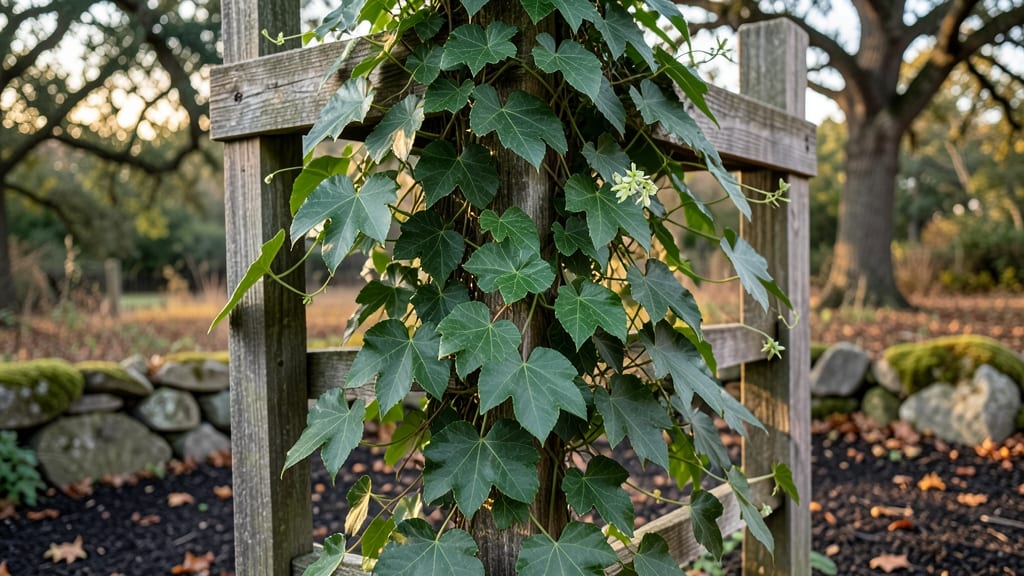
That five-leaf climbing vine turns containers into lush, tropical canopies—no jungle gym required. 🌿 The moment I spotted its deep green, star-shaped leaves unfurling in a neighbor’s pot, I knew this was the plant for small spaces.
It’s not just pretty; it’s a fast-growing privacy screen that thrives in pots, balconies, or even hanging baskets.
Identifying it is easy: those classic five leaflets per vine (hence the name) and the way it clings to surfaces with tiny suction cups. Varieties like Parthenocissus quinquefolia (Virginia Creeper) or the more compact Parthenocissus tricuspidata (Boston Ivy) both work, but the five-leaf type is the showstopper for vertical gardens.
Start with a 5-gallon container and a trellis—even a simple wire mesh—so it can scramble upward like a natural waterfall.
Care is straightforward: water when the top inch of soil feels dry, prune leggy vines in early spring, and feed with balanced fertilizer twice a year. By summer, you’ll have a 10-foot-tall green curtain that blooms with tiny white flowers (yes, really!) and turns fiery red in fall.
The best part? It’s drought-tolerant once established, so you won’t babysit it.
Perfect for urban balconies, patio corners, or even as a living room divider. Just avoid planting near driveways—those suction cups will cling to anything (including your car). Here’s how to get started without the guesswork.
Root Causes of Stunted Growth
Understanding why your five-leaf climbing vine (likely Parthenocissus quinquefolia or a similar species) struggles to thrive in containers requires digging into its natural habits and environmental needs. Below, we break down the key reasons behind slow growth, yellowing leaves, or weak vines—and how to fix them.
Climbing vines like the five-leaf variety prefer well-draining, aerated soil that mimics their forest-floor origins.
When planted in heavy, compacted, or waterlogged soil, roots suffocate, leading to: - Stunted growth (roots can’t absorb nutrients efficiently). - Yellowing leaves (a sign of oxygen deprivation). - Fungal diseases (like root rot) that weaken the plant over time.
Why it happens:
- Containers retain moisture longer than garden beds, especially in plastic or unglazed pots.
- Cheap potting mixes (often peat-heavy) break down quickly, losing structure and drainage.
- Overwatering (a common mistake) drowns roots, cutting off oxygen supply.
Actionable fix:
- Use a chunky, fast-draining mix (50% potting soil, 30% perlite/pumice, 20% compost).
- Add orchid bark (10-20%) for extra aeration in containers.
- Repot every 2 years to refresh the soil and prevent compaction.
Five-leaf vines are partial-shade lovers, but they still need bright, indirect light to fuel photosynthesis.
Without enough light: - Leaves turn pale or yellow (chlorosis, from poor nutrient absorption). - Vines grow leggy and weak (stretching toward light sources). - Slower growth (the plant conserves energy instead of producing new leaves).
Why it happens:
- Deep shade (e.g., under dense trees or north-facing windows) starves the vine of light.
- Low-light conditions (common in offices or dim interiors) reduce chlorophyll production.
- Overcrowded containers force vines to compete for light, weakening them.
Actionable fix:
- Place near east or west windows (avoid harsh southern sun, which can scorch leaves).
- Rotate the pot every few weeks for even growth.
- Supplement with grow lights (12-14 hours/day) if natural light is insufficient.
Vines are drought-tolerant but hate soggy roots. Both extremes stress the plant:
- Overwatering → Root rot (cutting off oxygen and nutrients).
- Underwatering → Wilting, crispy leaves (nutrient transport halts).
Why it happens:
- Containers dry out faster in hot weather, but some gardeners panic and overwater.
- Poor drainage (no saucer or drainage holes) traps excess water.
- Seasonal changes (e.g., winter slowdown) trick growers into thinking the vine needs more water.
Actionable fix:
- Water when the top 1-2 inches of soil are dry (stick your finger in to check).
- Use a self-watering pot or moisture meter for consistency.
- Avoid soggy bottoms—always use pots with drainage holes and a cache pot (tray with pebbles).
Five-leaf vines outgrow small pots quickly. When roots are root-bound:
- Nutrient uptake slows (limited soil volume = fewer minerals).
- Weak, sparse foliage (the plant prioritizes survival over growth).
- Yellowing between veins (often a magnesium or iron deficiency).
Why it happens:
- Root-bound vines (circling roots) strangle themselves, reducing absorption.
- Old potting mix depletes nutrients over 1-2 years.
- No fertilizer = the vine relies on stored reserves, which drain fast in containers.
Actionable fix:
- Repot every 2 years into a slightly larger container (1-2 inches wider).
- Fertilize monthly in spring/summer with a balanced liquid fertilizer (10-10-10 or 20-20-20).
- Use slow-release granules (like Osmocote) for steady nutrition.
Pro Tip: 💡 If your vine is struggling, check the leaves first—yellowing edges = overwatering; pale leaves = light deficiency; brown spots = fungal issues. Adjust one factor at a time to diagnose the real problem!
Reviving and Thriving With Your Vine
If your five-leaf climbing vine (like the stunning Parthenocissus quinquefolia or Hedera helix) has lost its luster or struggles to grow, don’t fret—there’s always a way to bring it back to life!
Below are practical, step-by-step solutions tailored to common issues, from wilted leaves to stunted growth. Each fix comes with prevention tips to keep your vine happy long-term.
Cause: Overwatering, underwatering, or poor drainage. Fix:
- Check the soil moisture 💧—stick your finger 1–2 inches deep. If dry, water thoroughly until it drains from the bottom. If soggy, let it dry out before watering again.
- Repot if needed 🏺—if roots are waterlogged or compacted, move to a pot with drainage holes and fresh, well-draining potting mix (think 60% peat/coir, 30% perlite, 10% compost).
- Adjust light exposure ☀️—place near bright, indirect light (east or north-facing windows are ideal). Avoid harsh afternoon sun, which can scorch leaves.
Prevention:
- Water only when the top inch of soil feels dry (use your finger—no guesswork!).
- Use a moisture meter 📏 if you’re unsure—it’s a game-changer for picky plants.
- Group pots together to create a humid microclimate (great for tropical vines!).
Cause: Lack of nutrients, root-bound pots, or insufficient support. Fix:
- Fertilize lightly 🌿—use a balanced liquid fertilizer (10-10-10 or 20-20-20) diluted to half-strength every 4–6 weeks during spring/summer. Skip fertilizing in winter.
- Repot if root-bound 🪴—gently remove the vine and check for roots circling the pot. If so, upgrade to a 1–2 inch larger container with fresh soil.
- Provide trellis or support 🪜—climbing vines need vertical space! Install a trellis, cage, or stakes and gently train the stems to climb. Prune leggy growth to encourage bushier, healthier vines.
Prevention:
- Rotate the pot 🌀 monthly to ensure even light exposure.
- Prune regularly ✂️—trim back overgrown stems in early spring to encourage new growth.
- Use slow-release fertilizer 🐢 for steady nutrition without overfeeding.
Cause: Spider mites, aphids, or mealybugs sucking sap from leaves. Fix:
- Isolate the plant 🛑—move it away from other houseplants to prevent spread.
- Blast pests off 💦—spray leaves with a strong stream of water or rinse under the sink.
- Apply neem oil or insecticidal soap 🌿—mix 1 tsp neem oil + 1 tsp mild soap per quart of water, spray thoroughly, and repeat every 5–7 days until pests vanish.
- Introduce beneficial insects 🐞—ladybugs or lacewings devour pests naturally (available at garden centers).
Prevention:
- Wipe leaves weekly 🧻 with a damp cloth to remove dust and deter pests.
- Quarantine new plants 🏠 for 2 weeks before introducing them to your collection.
- Encourage airflow 🌬️—avoid overcrowding pots to reduce humidity (a pest magnet).
Cause: Low humidity, cold drafts, or fluctuating temps. Fix:
- Boost humidity 💦—place the pot on a pebble tray (fill a tray with water and pebbles, then set the pot on top) or use a humidifier nearby.
- Avoid drafts ❄️—keep the vine away from AC vents, doors, or windows that open to cold air.
- Mist leaves gently 🌧️—use a spray bottle with room-temperature water in the morning (avoid evening misting to prevent fungal issues).
Prevention:
- Group plants together 🌿 to create a humid microclimate.
- Use a hygrometer 📊 to monitor humidity—ideal range is 40–60%.
- Avoid sudden temperature swings 🌡️—keep it in a stable 60–75°F environment.
Cause: Young plants, improper light, or lack of patience (many vines take 3–5 years to flower!). Fix:
- Ensure bright, indirect light ☀️—flowers/berries need 6+ hours of light daily.
- Be patient! 🕰️—Some vines (like Parthenocissus) focus on foliage first. If it’s mature (3+ years old) and still not flowering, it may need:
- A winter chill period ❄️ (some varieties need 6–8 weeks below 50°F).
- A balanced fertilizer with phosphorus (look for a 5-10-5 ratio) to encourage blooms.
- Prune strategically ✂️—trim back 1/3 of the oldest stems in late winter to stimulate new growth (and potential flowers).
Prevention:
- Research your vine’s variety 📚—some are male (no berries) or female (need a male plant nearby for pollination).
- Hand-pollinate 🐝 if needed—use a small brush to transfer pollen between flowers in the morning.
Final Pro Tip: 🌟 Observe your vine daily—small changes (like drooping leaves or yellowing) are easier to fix than full-blown crises. Keep a plant journal to track watering, light, and growth patterns—it’s a game-changer for troubleshooting!
Frequently asked questions
Is a five-leaf climbing vine the same as Boston Ivy?
Not exactly! While both have similar climbing habits, Boston Ivy (Parthenocissus tricuspidata) has three leaflets per vine, not five. The five-leaf variety you're likely thinking of is Parthenocissus quinquefolia (Virginia Creeper), which has those iconic five leaflets per leaf. They're both great for vertical gardens but have slightly different growth patterns and fall colors.
Can I grow a five-leaf climbing vine indoors?
These vines thrive indoors as long as you provide bright, indirect light (like an east-facing window) and proper support. Use a 10-15 gallon container with drainage and train it up a trellis or hanging basket. Just watch for spider mites in dry indoor air—regular misting helps prevent them.
How fast does a five-leaf climbing vine grow?
These vines are fast growers! In ideal conditions, they can climb 3-5 feet per year. With proper care (fertilizer, water, and support), you could see 10 feet of growth in just 2-3 years. The key is keeping the soil consistently moist and providing a sturdy trellis to climb.
Are the berries from five-leaf vines poisonous?
Yes, the berries are toxic if ingested—both to humans and pets. While they're not deadly, they can cause stomach upset, vomiting, or diarrhea. Keep pets and children away from the plant, especially when the berries are ripe in fall.
What's the best trellis material for this vine?
Any sturdy material works! Metal cages, wooden lattice panels, or even wire mesh (like chicken wire) are all great options. The vine uses tiny suction cups to cling, so it'll grab onto almost anything. For containers, a spiral trellis lets the vine climb in a controlled, attractive pattern.