
Plants
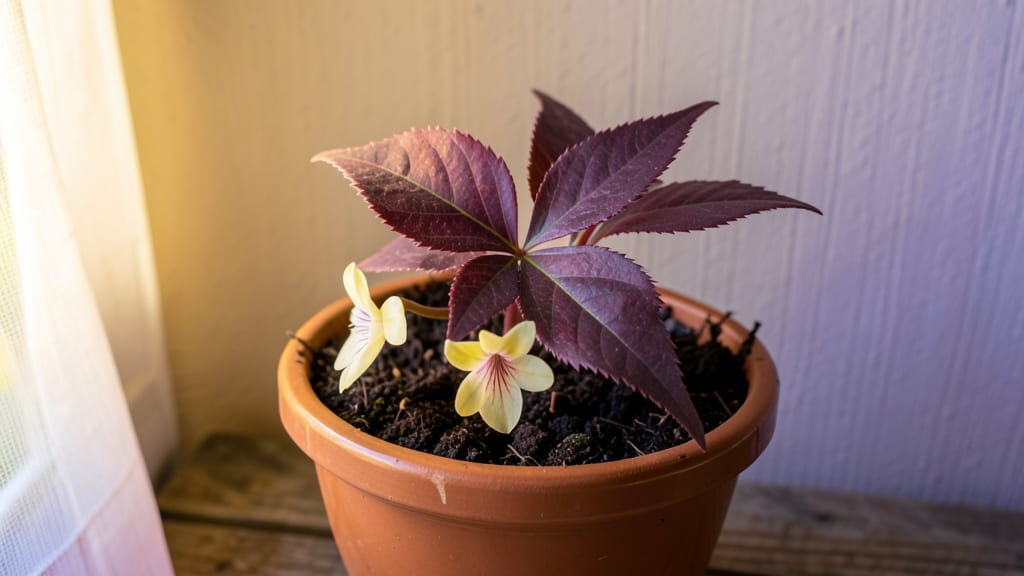
That three-leaf plant with jagged edges might be the star of your garden—or a sneaky intruder. 🌿 I’ve wrestled with these tricky foliage types, and the first step is telling them apart: poison ivy, stinging nettle, or maybe even a showy ornamental like Trifolium.
The key? Leaf shape, arrangement, and where you found it.
Poison ivy’s leaves glow red in fall and grow in clusters of three with smooth edges (though some varieties have jagged looks). Stinging nettle has serrated edges and hairy stems that sting—touch it, and you’ll know. Ornamental trifoliums, though, are safe and thrive in sunny spots with well-draining soil.
For thriving growth, most prefer 6-8 hours of sunlight and regular watering—1 inch per week—but avoid soggy soil. Prune back leggy stems in early spring to encourage bushier growth. And if you’re unsure? Snap a photo and compare before touching.
Safety first: Wear gloves when handling unknown plants, especially in wild areas. Once identified, your jagged-edged trio could be a low-maintenance ground cover or a warning sign to keep kids and pets away. Either way, you’ll know what’s growing in your space.
Understanding Leaf Edge Irregularities
If your plant’s leaves are developing jagged edges—especially on those distinctive three-leaf structures—it’s often a cry for help from the plant itself. 🌿 While some plants naturally grow serrated leaves (like certain varieties of Tradescantia or Coleus), sudden or excessive jaggedness usually signals stress.
Below, we break down the most common causes and the science behind them, so you can diagnose and fix the issue before it worsens.
Plants are like Goldilocks—they need watering that’s just right. Jagged edges often appear when moisture levels swing from drought to overhydration, causing cellular damage.
- Underwatering:
When soil dries out completely, leaf cells lose turgor pressure, leading to marginal scorch. The edges dry out first, creating crispy, jagged tips. In extreme cases, this can mimic herbivore damage (more on that below).
Actionable fix: Check soil moisture by sticking your finger 1–2 inches deep. Water when the top layer feels dry, and use a moisture meter for accuracy.
- Overwatering:
Excess water deprives roots of oxygen, triggering root rot and nutrient deficiencies. The plant responds by shedding damaged cells along leaf margins, creating ragged edges. Yellowing between veins (a sign of chlorosis) often accompanies this.
Actionable fix: Ensure pots have drainage holes, use well-draining soil (like a mix of peat, perlite, and vermiculite), and avoid letting plants sit in saucers of water.
Too much direct sunlight—especially for shade-loving plants—can cause photodamage, where leaf edges bleach and crisp into jagged patterns. This is common in plants like Calathea or Philodendron moved suddenly from low to high light.
- Signs:
- White or brown jagged patches on exposed edges (not uniform browning).
- Leaves may feel papery or brittle to the touch.
- Actionable fix:
Gradually acclimate plants to brighter light by moving them incrementally closer to a window (over 1–2 weeks). For indoor plants, use sheer curtains to diffuse harsh rays. If outdoors, provide afternoon shade.
Tiny pests like spider mites, thrips, or leafhoppers feed on leaf sap, weakening cell walls and creating jagged, irregular holes or serrations. Their damage often looks like mechanical tearing but is usually accompanied by:
- Webbing (spider mites).
- Sticky residue (aphids or mealybugs).
- Black sooty mold (a fungal growth from pest excretions).
Actionable fix:
- Inspect leaves undersides with a magnifying glass.
- Blast pests off with a stream of water or use neem oil (mix 1 tsp with 1 quart of water + a drop of dish soap).
- Isolate infested plants to prevent spread.
Plants are sensitive to dramatic changes in their environment. Sudden drops in humidity or temperature can cause cellular dehydration, leading to jagged, brittle edges—especially in tropical species like Monstera or Pothos.
- Low humidity:
Dry air pulls moisture from leaf edges, causing them to curl and fray. This is common in winter when indoor heating kicks in.
- Cold drafts:
Placing plants near AC vents, windows, or doors exposes them to temperature fluctuations, stressing the leaves.
Actionable fix:
- Use a humidifier or place a tray of water near the plant.
- Avoid placing plants in high-traffic or drafty areas.
- Group plants together to create a microclimate with higher humidity.
Too much fertilizer—especially salt-based ones like synthetic blends—can burn leaf margins, causing jagged, browned edges. This is often confused for underwatering but occurs even when soil is moist.
- Signs:
- White crust on soil surface.
- Leaf edges turn brown and brittle (not yellow).
- Actionable fix:
Flush the soil with water (let it run through the pot for 5–10 minutes) to leach out excess salts. Switch to a balanced, organic fertilizer (like fish emulsion) and dilute it to half-strength.
⚠️ Pro Tip: If your tap water is hard (high in minerals), use rainwater or distilled water for watering to prevent buildup.
Fixing Jagged Edges Naturally
Now that you’ve identified why your three-leaf plant (like a lucky bamboo or a young fern) is developing jagged edges, let’s roll up our sleeves and get it back to smooth, vibrant health!
Below are practical, step-by-step solutions tailored to the most common causes—plus prevention tips to keep your plant thriving long-term.
Symptoms: Yellowing leaves, mushy stems, or crispy jagged tips from root rot or overhydration.
How to Fix It:
- 🔥 Stop Watering Immediately – Let the soil dry out completely before watering again. Stick your finger 1–2 inches deep into the soil; if it’s damp, wait.
- 👨🍳 Repot if Needed – If the roots smell foul or look black/mushy, transfer your plant to a clean pot with fresh, well-draining soil (or a mix of perlite/sand for aeration).
- ⏰ Adjust Your Watering Schedule – Water only when the top inch of soil is dry. For lucky bamboo, use filtered or distilled water (tap water chemicals can stress it).
- 🌡️ Boost Airflow – Ensure your plant isn’t sitting in a saucer of stagnant water. Elevate pots or use a cache pot (a decorative outer pot with a drainage hole).
💡 Pro Tip: If your plant is in water (like lucky bamboo), rinse the container weekly to prevent algae buildup, which can block oxygen and cause jagged growth.
Symptoms: Brown, crispy edges, or leaves curling like a parchment from sunburn.
How to Fix It:
- 🔪 Move to Indirect Light – Place your plant 3–6 feet from a window (east or north-facing is ideal). Avoid harsh afternoon sun.
- 🌿 Use a Sheer Curtain – If natural light is unavoidable, diffuse it with a light-colored curtain to reduce intensity.
- 🥗 Mist Leaves Occasionally – Humidity helps combat dryness. Spray leaves 2–3 times a week (avoid soggy soil).
- 🌡️ Check Temperature – Keep your plant away from heaters, AC vents, or drafts. Ideal temps: 65–80°F (18–27°C).
✨ Prevention: Rotate your plant quarter-turns weekly so all sides get even light exposure.
Symptoms: Jagged edges, stunted growth, or yellowing between veins (common in nitrogen/iron deficiencies).
How to Fix It:
| Issue | Fix |
|---|---|
| Under-Fertilizing | Use a balanced liquid fertilizer (like 10-10-10) once a month in growing season (spring–fall). For lucky bamboo, dilute fertilizer to half-strength. |
| Over-Fertilizing | Flush the soil with water to remove excess salts. Repot if needed. |
| Iron Deficiency | Add chelated iron or use rainwater (tap water can lack minerals). |
| pH Imbalance | Test soil pH (ideal: 6.0–7.0). Adjust with lime (to raise pH) or vinegar (to lower pH) if needed. |
💡 Pro Tip: For water-grown plants (like lucky bamboo), change the water every 2–4 weeks to prevent nutrient depletion.
Symptoms: Tiny holes, sticky residue (honeydew), or chewed jagged edges from mites, aphids, or mealybugs.
How to Fix It:
- 🔥 Isolate the Plant – Keep it away from others to prevent spread.
- 🍳 Wipe Leaves with Soapy Water – Mix 1 tsp mild dish soap in 1 quart water, dab with a soft cloth, and rinse.
- 👨🍳 Spray Neem Oil – Mix 1 tbsp neem oil + 1 tsp soap in 1 quart water. Spray every 5–7 days until pests vanish.
- 🌿 Introduce Beneficial Insects – Ladybugs or lacewings eat pests naturally (great for long-term prevention).
🎯 Prevention: Inspect new plants before bringing them home and quarantine them for 2 weeks.
- Trim Damaged Leaves – Use sterilized scissors to snip jagged or brown edges.
This encourages new growth. - Boost Humidity – Place the pot on a pebble tray with water or use a humidifier nearby. - Repot if Soil is Compromised – Fresh, sterile soil gives your plant a clean slate.
🚀 Final Thought: Most jagged-edge issues are easily reversible with small adjustments. Monitor your plant’s progress, and don’t hesitate to tweak care as needed—your green friend will thank you with lush, smooth leaves!
Frequently asked questions
Is a three-leaf plant with jagged edges always poison ivy?
Not necessarily! While poison ivy often has three leaves, its edges are usually smooth or slightly lobed—not jagged. Common culprits with jagged edges include stinging nettle (which has serrated leaves and stinging hairs) or ornamental plants like certain Trifolium species. Always check for additional clues: poison ivy grows in clusters and causes a rash on contact, while nettle has hairy stems.
Can I grow a three-leaf plant with jagged edges indoors?
Many safe options thrive indoors, like the Trifolium species (clover) or Oxalis varieties. These prefer bright, indirect light and well-draining soil. Avoid toxic plants like poison ivy or stinging nettle—opt for pet-friendly choices like Coleus or Tradescantia, which also have jagged foliage and are easier to care for.
Why do my plant’s leaves suddenly have jagged edges?
Jagged edges often signal stress from underwatering, overwatering, or pests. Check soil moisture—dry edges mean thirst, while mushy stems indicate overwatering. Inspect leaves for tiny pests (like spider mites) or signs of sunburn (brown, crispy patches). Adjust care immediately to prevent further damage.
How do I safely remove a toxic three-leaf plant from my yard?
Wear long sleeves, gloves, and goggles when handling suspected toxic plants like poison ivy. Use a shovel to dig out roots (even small fragments can cause reactions). Bag the plant and dispose of it in sealed trash—never burn it. Wash tools and skin thoroughly with soap and water afterward.
What’s the best soil mix for a jagged-edged ornamental plant?
A well-draining mix works best—combine 2 parts potting soil, 1 part perlite, and 1 part compost. For plants like Oxalis, add a bit of sand to improve drainage. Avoid heavy clay soil, which can cause root rot and lead to jagged leaf edges.