
Pests and Diseases
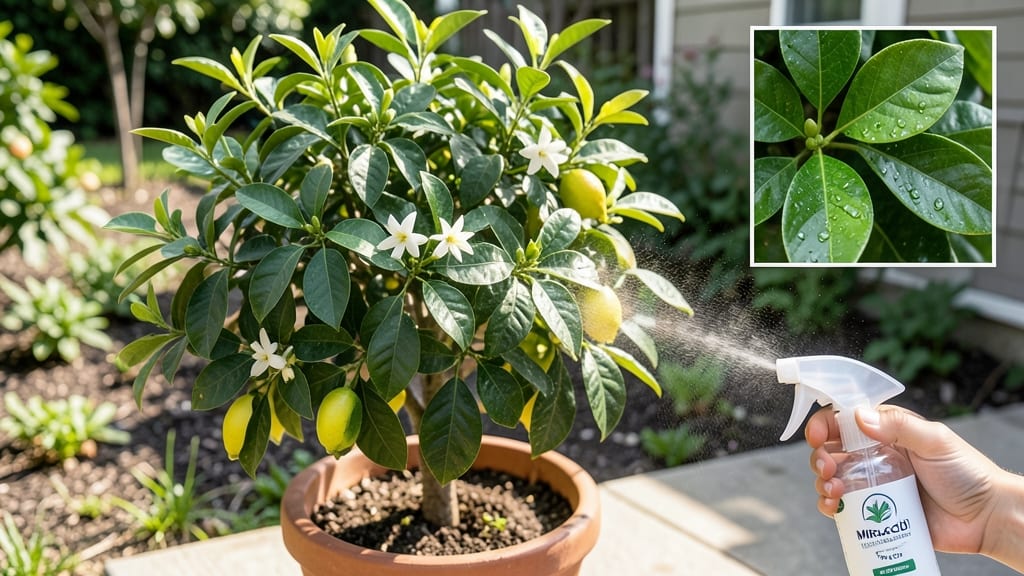
Foliar leaf refers to plant leaves showing disease symptoms—visible damage like spots, discoloration, or lesions from pathogens such as fungi, bacteria, or viruses. Recognizing and treating these issues early prevents further damage and helps restore plant vitality.
Foliar leaf issues often start with subtle signs that many gardeners overlook—like yellowing edges or tiny black specks—until the damage becomes severe. 🌿 The key is understanding the specific symptoms: powdery mildew creates a white, powdery coating, while rust spots appear as orange pustules on the leaf surface.
These pathogens thrive in humid conditions, so improving airflow around your plants can significantly reduce their spread. I always recommend examining leaves regularly, especially after rain or when plants show unusual stress.
Once you've identified the problem, treatment options range from simple sanitation to targeted interventions. For example, pruning infected leaves and disposing of them properly prevents spores from spreading to healthy foliage.
Organic solutions like neem oil or copper spray can be effective for fungal issues, while bacterial infections may require more aggressive treatments like copper-based fungicides. The goal is always to act quickly—delaying treatment often leads to irreversible damage.
💡 In This Article
- Identifying Common Foliar Leaf Diseases in Plants
- Organic and Chemical Treatments for Foliar Leaf Issues
Identifying common foliar leaf diseases in plants
Foliar diseases manifest through distinct visual cues that reveal their nature—whether fungal, bacterial, or viral. Powdery mildew, for instance, creates a white, powdery coating on leaves due to fungal spores (like Erysiphe cichoracearum) that thrive in 70-80% humidity.
These spores germinate within 4-6 hours of landing on a leaf, forming a protective mycelium network that blocks sunlight and stunts photosynthesis. 🌱 You’ll often see it first on older leaves, where it appears as fuzzy white patches that spread rapidly if left untreated.
Rust diseases, caused by fungi like Puccinia spp., produce bright orange or reddish pustules on leaf undersides, which release spores that infect neighboring plants. These pustules rupture when wet, releasing up to 10,000 spores per square inch—enough to infect an entire garden within days.
Another telltale sign is yellowing or "scorching" of leaf tissue above the pustules, a reaction to the pathogen’s metabolic byproducts. Bacterial leaf blight, on the other hand, appears as water-soaked spots that expand into irregular brown patches with yellow halos, often oozing a slimy, bacterial exudate when pressed.
Early detection is critical because these pathogens exploit plant stress—whether from poor nutrition, overcrowding, or environmental factors.
For example, fungal spores like those causing late blight (Phytophthora infestans) can spread 10 miles per hour in wind, turning a localized outbreak into an epidemic within 24 hours. 🌪️ The key is to inspect leaves regularly, especially after rain or high humidity, and look for these patterns: powdery coatings (fungal), orange pustules (rust), or water-soaked lesions (bacterial).
A handheld magnifying glass (10x magnification) helps spot early signs before they become visible to the naked eye.
Environmental triggers play a huge role in disease outbreaks. Fungal pathogens like Botrytis cinerea (gray mold) flourish in still, damp air, while bacterial infections often spike after heavy rain or overhead watering. Poor airflow—common in dense plantings or greenhouses—traps moisture, creating ideal conditions for spores to germinate.
Even a 5°F temperature drop can weaken plant defenses, making them more susceptible. This is why spacing plants 12-18 inches apart and pruning for better airflow can reduce infection rates by up to 70%.
Diagnosing the exact pathogen often requires a microscope or lab test, but field guides and smartphone apps (like PlantVillage) can help narrow it down.
For example, if you see black, tar-like spots on leaves, it’s likely sooty mold, a secondary fungal infection that thrives on honeydew secreted by aphids. 🐛 Understanding these patterns lets you tailor treatments—fungicides won’t work on bacterial infections, and vice versa—saving time and money while protecting your plants.
One common mistake gardeners make is mistaking nutrient deficiencies for foliar diseases. For instance, magnesium deficiency causes yellowing between leaf veins (interveinal chlorosis), similar to some viral symptoms. The difference? Deficiencies affect older leaves first, while diseases often start on younger foliage.
A simple soil test or leaf analysis can clarify whether the issue is biological or nutritional. 🌿 This distinction is crucial because treating a deficiency with fertilizer won’t help a fungal infection—and vice versa.
Remember: the faster you act, the better your chances of saving the plant. Even a single infected leaf can harbor enough spores to reinfect the plant after treatment if not removed completely.
Always sterilize pruners with 70% isopropyl alcohol between cuts to avoid cross-contamination. 🧪 Prevention—like rotating crops annually and choosing disease-resistant varieties—can reduce foliar issues by up to 90% over time.