
Pests and Diseases
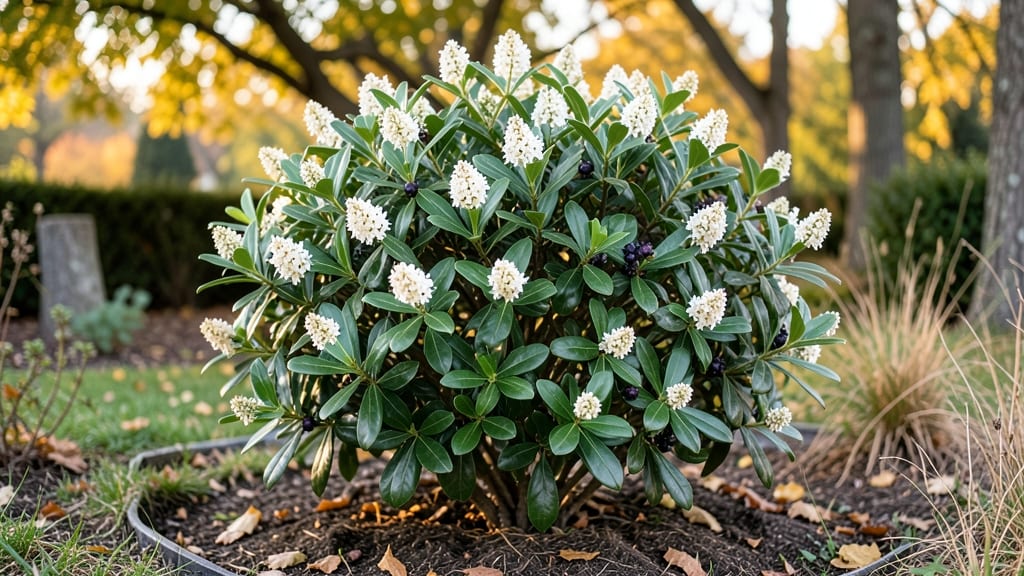
Transform your yard with wavy leaf privet ligustrum—the evergreen shrub that stays lush year-round and thrives with minimal fuss. 🌿 I learned the hard way that proper pruning turns this plant from "just another shrub" into a dramatic, textured focal point that neighbors envy.
The key? Timing, technique, and knowing when to stop cutting. This isn’t your grandmother’s privet—its distinctive wavy foliage and glossy leaves create movement in the landscape, while its dense growth blocks noise and screens unsightly views.
It’s hardy in zones 7-9 and handles heat and humidity like a champ, but even in cooler climates, it brings structure and color when other plants sleep through winter. The catch? Skip the pruning, and you’ll end up with a leggy mess instead of that neat, manicured look you’re after.
Start with clean cuts in late winter or early spring before new growth appears. Remove any dead or crossing branches first, then shape the plant by trimming back one-third of the oldest growth to encourage fresh, vibrant foliage.
For a more formal look, use hand pruners for precision, while hedge shears work better for larger areas. The goal is to maintain that wavy texture—never shear it so short you lose its signature character. Once you master the basics, you’ll discover this plant’s versatility.
Use it as a hedge, a privacy screen, or even a standalone specimen. Just watch for spider mites in hot, dry weather and treat early—prevention is easier than dealing with a webbed, struggling shrub.
With the right care, your wavy leaf privet will reward you with decades of low-maintenance beauty.
📚 In This Guide
- What you need
- Instructions
- Tips and common mistakes
- Wrapping up and next steps
What you need
- ● Pruning shears – Bypass shears (for clean cuts) or anvil shears (for thicker branches). Choose sharp, stainless-steel blades (8–10 inches long).
- ● Loppers – Bypass-style for branches ½ to 1½ inches thick. Look for ratcheting or bypass models for precision.
- ● Pruning saw – Curved-tooth or folding saw for branches over 1½ inches thick. A 7–10-inch blade works best.
- ● Gloves – Heavy-duty, cut-resistant (e.g., mechanics’ gloves) to protect against thorns and sap.
- ○ Disinfectant (optional but recommended) – 70% isopropyl alcohol or rubbing alcohol to sterilize tools between cuts and prevent disease spread.
- ○ Pruning sealant (optional) – Tree wound dressing (e.g., Tanglefoot or similar) for large cuts to reduce sap leakage.
- ● Weather check – Prune on a dry, cloudy day (avoid extreme heat or frost). Early morning or late afternoon is ideal.
- ● Safety gear – Safety glasses (to protect from debris) and long sleeves/pants (privet can be thorny!).
- ● Cleanup supplies – Garden bags or buckets for trimmings, broom, and water hose (to rinse tools).
- ● Ladder or stool – If your privet is over 6 feet tall, use a stable, extendable ladder (never a step stool!).
- ● Sharpener – A file or sharpening stone to maintain tool edges between uses.
- ● 💡 Invest in quality tools—cheap shears can crush branches, causing damage. Splurge on Felco or Corona brands for longevity.
- ● 🌡️ Avoid pruning in wet conditions—damp wood spreads fungal diseases 3x faster.
- ● 🎯 Label your tools with tape or a marker to avoid mixing up shears, loppers, and saws mid-task!
Step-by-step pruning guide for wavy leaf privet ligustrum
Here's how to keep your wavy leaf privet lush and full year-round with minimal effort.
✂️ Step 1: Prune in Late Winter or Early Spring
Timing matters most for wavy leaf privet. I always prune in late winter (just before new growth starts) or early spring—this gives the plant the entire growing season to fill out. Avoid pruning in fall or winter when the plant is dormant, as it won't recover well. Look for bare branches or areas where growth looks sparse—that's your cue to trim.
Use clean, sharp pruning shears to make cuts just above a leaf node or bud. This encourages new growth in the right direction. I like to make my cuts at a 45-degree angle to prevent water from pooling on the wound. Never leave stubs—this invites disease and weakens the plant.
✂️ Step 2: Remove Dead, Diseased, or Crossing Branches
Start by inspecting the entire plant for dead wood—branches that are brittle, brown, or snap easily when bent. These should go first. Next, look for diseased branches (yellowing, black spots, or unusual growths). Cut these out completely to prevent the issue from spreading.
Now focus on crossing or rubbing branches—these create wounds and weaken the plant. I always remove the smaller of the two branches when they cross, making the cut at the base of the branch. This keeps the plant's energy focused on stronger growth. Step back occasionally to visualize the plant's shape—you're sculpting, not just hacking.
✂️ Step 3: Thin Out the Center for Better Airflow
Wavy leaf privet can get dense, especially in the center of the plant. To keep it healthy, I thin out about 20-30% of the oldest, innermost branches. Start from the bottom and work your way up, removing branches that are growing inward or blocking light from reaching the center. This step is critical for preventing fungal diseases that thrive in shady, crowded spaces.
Make your cuts just outside the branch collar—the thickened area where the branch meets the trunk. You'll see new shoots emerge from the sides of remaining branches within a few weeks. This tells me the plant is responding well and will fill out beautifully. If you're unsure which branches to remove, err on the side of caution and leave them—you can always trim more next year.
☀️ Step 4: Shape and Maintain Year-Round Density
Now it's time to shape the plant to your liking. Wavy leaf privet responds well to light pruning, so I focus on softening the outline rather than making drastic cuts. For a formal hedge, I trim the outer growth to maintain a clean edge. For a more natural look, I let some branches grow longer while trimming others to create layers.
After pruning, I always give the plant a light fertilizer to encourage new growth. Water deeply but not excessively—privet prefers well-draining soil and doesn't like soggy roots. Watch for new leaves to emerge within 4-6 weeks. If you see sparse growth, it might need more sunlight or nutrients. This is also the time to check for pests like spider mites or aphids, which love fresh new growth.
⏰ Step 5: Light Maintenance Pruning Throughout the Year
Wavy leaf privet doesn't need heavy pruning often, but a little light maintenance keeps it looking its best. Throughout the growing season, I remove any suckers (shoots growing from the base or along the trunk) as soon as I spot them. These drain the plant's energy and can make it look messy.
In late summer, I do a quick cleanup trim to remove any overly long or leggy branches. This prevents the plant from looking ragged by winter. I also check for any deadheading—removing spent flowers if they appear. The goal is to keep the plant dense, full, and healthy without overworking it. A little effort now means less work next year.
Tips & tricks for perfect wavy leaf privet pruning
These simple strategies will help you transform your wavy leaf privet into a lush, vibrant hedge with minimal effort.
Timing is Everything: The late winter to early spring window is critical—this is when the plant is just waking up from dormancy and ready to bounce back. I've learned the hard way that pruning too early in winter can stress the plant, while waiting until late spring might miss the optimal growth period. Mark your calendar for February or March, depending on your climate, to catch that perfect moment when new buds begin to swell but haven't yet opened.
Tool Selection Matters: Using dull or dirty pruning shears creates jagged cuts that invite disease and slow recovery. I invest in high-quality bypass pruners for larger branches and hand pruners for finer trimming. Always clean your tools with rubbing alcohol before and after use—this prevents spreading any potential pathogens between plants. A sharp cut at a 45-degree angle heals faster and looks more professional than a straight cut.
Visualize the Final Shape: Before making any cuts, step back and study your privet from multiple angles. I imagine how I want the plant to look in 6 months—whether that's a formal hedge or a natural, layered silhouette. This mental exercise helps me decide which branches to keep and which to remove. For dense hedges, I focus on creating an even outline by trimming the outer growth uniformly, while for more natural looks, I leave some branches longer to create visual interest.
Post-Pruning Care: After your pruning session, give your privet a boost with a balanced, slow-release fertilizer. I use a 10-10-10 formula in early spring, followed by a light application in midsummer if needed. Water deeply but infrequently—privet prefers well-draining soil and can't tolerate soggy roots. Watch for new growth within 4-6 weeks; if you don't see fresh leaves emerging, it might be a sign to check for pests or adjust your sunlight exposure.
Pro Tips for Wavy Leaf Privet Ligustrum
- These simple strategies will help you transform your wavy leaf privet into a lush, vibrant hedge with minimal effort.
- Timing is Everything: The late winter to early spring window is critical—this is when the plant is just waking up fro...
- Tool Selection Matters: Using dull or dirty pruning shears creates jagged cuts that invite disease and slow recovery....
Frequently asked questions
Got questions about keeping your wavy leaf privet ligustrum lush and thriving?
Here are some of the most common concerns—plus expert answers to help you prune like a pro!
When is the best time to prune wavy leaf privet ligustrum for year-round growth?
Prune your wavy leaf privet twice a year: late winter/early spring (before new growth starts) to shape the plant and remove dead wood, and mid-summer (June–July) to encourage dense, bushy foliage. Avoid heavy pruning in fall—it can stimulate tender new growth that won’t survive winter.
How much can I trim back wavy leaf privet without harming it?
This hardy shrub is highly forgiving—you can safely trim up to one-third of its total height in a single session. For dense hedges, aim to remove no more than 25% per year to avoid stress. If overgrown, prune gradually over 2–3 years. Pro tip: Step back and "see the silhouette"—focus on maintaining an open center for airflow.
Why are the leaves on my wavy leaf privet turning yellow or brown?
Yellowing leaves often signal overwatering, root rot, or fungal issues (like powdery mildew). Brown edges? It could be underwatering or salt buildup from tap water. Check soil moisture (it should be evenly moist but not soggy) and improve drainage. If pests like spider mites are present, hose off leaves or treat with neem oil.
Can I use wavy leaf privet ligustrum as a privacy screen or hedge?
Absolutely!
This shrub is perfect for hedges due to its dense, glossy foliage and fast growth (12–24" per year). Space plants 3–4 feet apart for a tight hedge, and prune regularly to maintain height. For a taller screen (6–10 ft), allow more space (5–6 ft between plants). Bonus: It tolerates shearing beautifully!
Does wavy leaf privet ligustrum have any invasive tendencies?
While wavy leaf privet is non-invasive in most U.S. regions, it can self-seed if not monitored. To prevent unwanted spread, remove seed pods (if they form) and prune aggressively in early spring. It’s not as aggressive as English ivy or bamboo, but regular maintenance keeps it contained. Check local regulations—some areas restrict its planting.
What’s a good alternative if I want a similar look but lower maintenance?
If wavy leaf privet feels high-maintenance, try these low-fuss alternatives:
- Dwarf Fothergilla – Fragrant spring blooms, great for hedges, and tolerates shade.
- Oakleaf Hydrangea – Stunning fall color, compact growth, and minimal pruning needs.
- Boxwood (Buxus) – Classic hedge plant, but needs more frequent trimming.
- Abelia – Semi-evergreen, drought-tolerant, and blooms all summer.
Wrapping up and next steps
With the right tools and techniques, pruning your wavy leaf privet ligustrum can transform it into a lush, year-round green masterpiece! 🌿 Whether you’re shaping it for privacy, hedges, or ornamental beauty, consistency is key—just remember to prune in late winter or early spring and avoid over-trimming.
Now that you’re armed with expert tips, grab those shears and get pruning with confidence!
🌱 Next Steps:
- Schedule your first pruning session—early spring is your best bet!
- Monitor your plant’s growth and adjust as needed for that perfect, dense look.
- Share your progress with fellow gardeners for inspiration and tips!