
Pests and Diseases
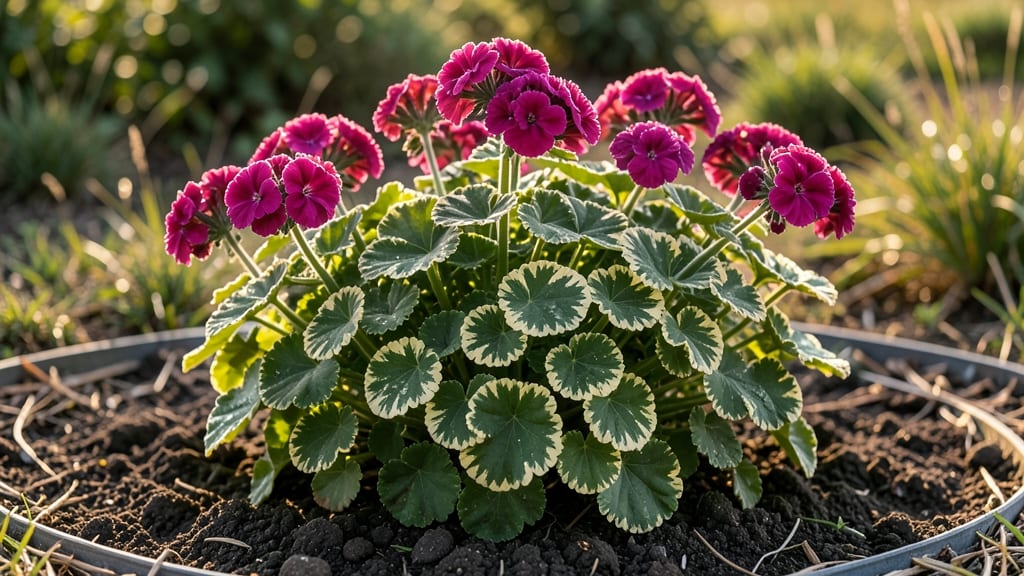
Variegated leaf geraniums bring shockingly lush color to gardens, with their striped foliage standing out against green leaves. 🌿 I’ve grown them for years, and they’ve never failed me—even through cold winters. These plants thrive in zones 5-9, making them perfect for gardeners who want year-round beauty without fuss.
They love full sun to partial shade, with well-draining soil that keeps roots happy. Watering is simple: just keep the soil evenly moist but not soggy. The variegation—those stunning white, pink, or cream stripes—will pop even more when you prune them back after blooming.
By late summer, you’ll see bold, healthy growth with clusters of delicate flowers. The scent alone makes them worth growing! They also repel pests naturally, so you’ll spend less time dealing with bugs. For best results, pair them with lavender or salvia.
These cold-hardy varieties are foolproof once you get the basics right. Ready to add some drama to your garden?
📚 In This Guide
- What you need
- Instructions
- Tips and common mistakes
- Wrapping up and next steps
What you need
- ● Variegated leaf geranium plants: Choose cold-hardy varieties like Geranium macrorrhizum or Geranium sanguineum (1–3 plants per 2–3 sq ft of space). Opt for healthy, well-established nursery stock or rooted cuttings.
- ● Well-draining potting mix: A blend of 50% peat or coconut coir, 30% perlite or coarse sand, and 20% compost (1–2 bags, ~2–3 cubic feet total). Avoid heavy clay soils.
- ● Containers (if not planting in-ground): 5–7-inch pots for seedlings (3–5 pots).
- ● 12–14-inch pots or garden beds for mature plants (1–2 per plant).
- ● Slow-release fertilizer: A balanced 10-10-10 or 20-20-20 formula (1–2 tbsp per plant at planting time). Organic options like bone meal or worm castings work too!
- ● Mulch: 2–3 inches of organic mulch (e.g., shredded bark, straw, or pine needles) to retain moisture and insulate roots in cold climates.
- ● Watering can or hose with a gentle spray nozzle: Geraniums prefer consistent moisture but hate soggy roots.
- ● Gloves and knee pads: Protect your hands and knees during planting and maintenance.
- ● Pruning shears or sharp scissors: For trimming leggy stems or shaping plants (sterilize blades with rubbing alcohol).
- ● pH testing kit: Ideal soil pH for geraniums is 6.0–7.0. Adjust with lime (to raise pH) or sulfur (to lower pH) if needed.
- ● Cold frame or frost cloth: Essential for Zone 5–7 growers to extend the season or protect young plants from late frosts.
- ● Compost or aged manure: Mix into soil at planting time for extra nutrients (1–2 gallons per plant).
- ● Stakes or small cages: Support tall varieties (like Geranium phaeum) if needed, especially in windy areas.
How to grow cold-hardy variegated leaf geraniums year-round
Here's the straightforward method I use to keep these stunning plants thriving even through winter's chill.
🌱 Step 1: Select the Right Varieties and Planting Location
Choose cold-hardy varieties like 'Rozanne' or 'Johnson's Blue' which handle Zone 4-8 climates. These varieties naturally resist winter dieback better than traditional geraniums. Plant in full sun to partial shade—at least 6 hours of sunlight daily for best variegation.
I always test the spot first by watching it for a week. If leaves stay crispy in afternoon sun, it's too harsh—geraniums prefer gentle morning light with afternoon shade in hot climates. The key is avoiding afternoon sunburn that bleaches the variegation.
🪴 Step 2: Prepare Soil and Plant at Proper Depth
Amend your garden soil with 2-3 inches of compost to improve drainage—geraniums hate soggy roots. Work the compost into the top 6 inches of soil. Dig a hole twice as wide as the root ball but only as deep as the container it came in.
Gently remove the plant from its pot and loosen any circling roots with your fingers. Set it in the hole so the top of the root ball sits 1 inch below soil level. This prevents water from pooling at the crown during winter rains. Backfill with native soil and press lightly around the base.
☀️ Step 3: Water Deeply and Establish a Consistent Routine
Water immediately after planting to settle the soil, then let it dry slightly before watering again. Geraniums need 1 inch of water weekly—more in extreme heat, less in winter. I check by sticking my finger 1 inch deep; if dry, it's time to water.
Water at the base in the morning to prevent fungal issues. Avoid getting leaves wet—this causes brown spots that ruin the variegated pattern. Mulch with 2 inches of shredded bark to retain moisture and protect roots from winter temperature swings.
✂️ Step 4: Prune for Winter Hardiness and Spring Blooms
After the first frost, cut back stems by one-third to encourage new growth in spring. Remove any dead or diseased leaves immediately—they harbor pathogens that could overwinter. I prune in stages: first the leggy growth, then again in early spring to shape the plant.
Never prune into bare wood—the variegated leaves grow from the stems. Leave 2-3 inches of growth above each node where leaves emerge. This ensures vibrant foliage returns in spring. In mild winters, you might see some leaves survive—just protect them with extra mulch.
⏰ Step 5: Winterize for Year-Round Survival
Before the ground freezes, apply 4-6 inches of straw mulch around the base. This insulates roots while allowing airflow to prevent rot. In Zone 5 or colder, mound soil up around the crown to protect it from freeze-thaw cycles.
I always mark geranium locations with stakes so I don't accidentally dig them up in spring. These plants reward patience—properly winterized variegated geraniums return with even more dramatic foliage each year. Just avoid fertilizing in fall, as new growth won't harden off before winter.
Tips & tricks for perfect variegated geraniums
These little secrets will help your cold-hardy variegated geraniums stay vibrant and healthy through every season.
Sunlight Strategy: When placing your plants in Step 1, focus on morning sun and afternoon shade—this is the key to preserving that stunning variegation. I've seen geraniums lose their beautiful patterns when exposed to harsh afternoon rays, so if your location gets intense midday sun, consider a light shade cloth during peak hours. The 6 hours of sunlight should be gentle morning light to protect those delicate variegated leaves.
Soil Preparation Insight: In Step 2, that 2-3 inches of compost isn't just about drainage—it's also about creating the perfect air-to-water ratio geraniums love. I like to mix in a handful of perlite when amending soil to give roots even better airflow. And here's a pro move: if your native soil is particularly dense, consider planting in raised beds where you can control the soil composition completely.
Winter Protection Tip: For Step 5's winterizing, don't just apply that 4-6 inches of straw mulch—create a little mound around the base of the plant. This helps prevent frost from collecting at the crown. I've also found that wrapping the crown with a breathable frost cloth in Zone 5 winters gives that extra protection without suffocating the plant. The goal is insulation, not a greenhouse effect.
Pruning Precision: When you're doing that one-third prune in Step 4, focus on removing stems that are growing inward or crossing each other. These compete for sunlight and nutrients, weakening the plant. I always prune with clean, sharp shears and dip them in rubbing alcohol between cuts to prevent spreading any potential diseases between stems.
Pro Tips for Variegated Leaf Geranium
- These little secrets will help your cold-hardy variegated geraniums stay vibrant and healthy through every season.
- Sunlight Strategy: When placing your plants in Step 1, focus on morning sun and afternoon shade—this is the key to pr...
- Soil Preparation Insight: In Step 2, that 2-3 inches of compost isn't just about drainage—it's also about creating th...
Frequently asked questions
Got questions about keeping your variegated leaf geraniums thriving? You’re not alone! Here are answers to the most common concerns—from pests to winter care—so you can enjoy these stunning plants all year long.
Can variegated leaf geraniums survive winter in cold climates?
Yes! Many cold-hardy varieties (like Geranium macrorrhizum) tolerate temperatures down to -20°F (-29°C) once established. Mulch heavily in fall and prune back in early spring to protect roots. Pro tip: Divide clumps every 3–4 years to prevent overcrowding and improve cold resilience.
What pests commonly attack variegated leaf geraniums, and how do I treat them?
Watch for aphids, spider mites, and slugs. For mild infestations, blast pests off with water or use insecticidal soap. For slugs, set out beer traps or diatomaceous earth. Preventative tip: Keep plants healthy with proper spacing and watering—stressed plants attract pests!
Why are my variegated leaves turning all green?
This usually means too little light. Variegated geraniums need 6+ hours of sunlight daily to maintain their striking patterns. Move them to a sunnier spot or supplement with a grow light. Bonus: Yellowing leaves can also signal overwatering—let soil dry between waterings!
Are there non-variegated geranium alternatives with similar cold hardiness?
Try Geranium sanguineum (blood-red blooms) or Geranium pratense (vibrant purple flowers)—both thrive in zones 3–8. For ground cover, Geranium maculatum (wild geranium) is a native, low-maintenance option. Tip: All prefer well-draining soil and minimal fuss!
How long does it take for variegated geraniums to spread and fill in?
Patience pays off! Established plants spread via rhizomes and can form dense mats in 2–3 years with proper care. Divide clumps in spring or fall to speed up coverage. Pro move: Mulch with compost to encourage vigorous growth.
Wrapping up and next steps
Variegated leaf geraniums are a fantastic choice for gardeners seeking beauty, resilience, and year-round charm! 🌿 Their cold-hardy nature and striking foliage make them perfect for adding color and texture to any outdoor space—whether you're a beginner or a seasoned plant enthusiast.
With the right care, these plants will reward you with vibrant blooms and lush growth, turning your garden into a showstopper.
Ready to level up your gardening game? Start by selecting the perfect variety for your climate, gather your supplies, and dive in! Plant your first variegated leaf geranium this season and enjoy the satisfaction of nurturing a thriving, low-maintenance plant that keeps giving back.