
Vegetables
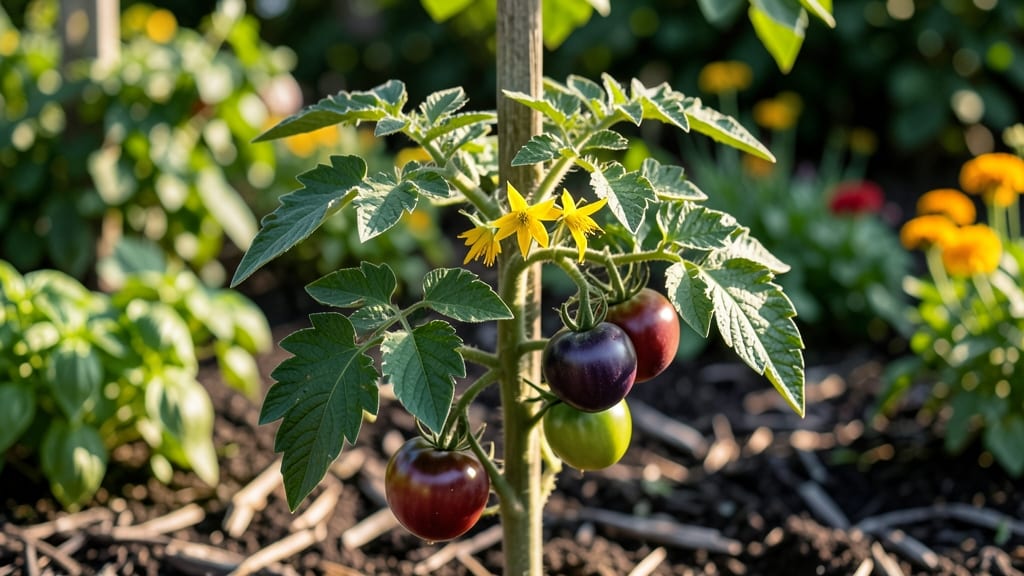
Recognizing tomato leaf types is the first step to growing the perfect plant. 🌿 Potato leaf, regular leaf, and curly leaf varieties each have distinct characteristics that affect growth, disease resistance, and even flavor.
My first year growing tomatoes, I struggled to identify my seedlings until I learned these key differences—and it completely changed how I selected varieties. The most common types include potato leaf (deeply lobed, resembling potato foliage), regular leaf (smooth-edged, classic tomato look), and curly leaf (wavy, serrated edges).
These traits aren’t just for show; they influence how the plant handles heat, humidity, and pests. For example, curly leaf varieties often thrive in hot climates, while potato leaf types can be more disease-resistant.
Once you can spot these differences in seedlings, you’ll choose plants that match your climate and growing conditions. A quick glance at the leaves tells you whether a plant will be compact, sprawling, or bushy—key details for spacing and support needs in your garden.
Understanding leaf types also helps you troubleshoot issues faster. Yellowing leaves might signal a problem, but knowing your variety’s natural leaf shape helps you distinguish between normal growth and actual stress. Let’s break down how to identify them and why it matters for your harvest.
📚 In This Guide
- What you need
- Instructions
- Tips and common mistakes
- Wrapping up and next steps
What you need
- ● Tomato plants: 3–5 mature plants (or seedlings) representing different leaf types (e.g., Solanum lycopersicum varieties like 'San Marzano,' 'Cherry,' or heirloom types). Pro tip: 💡 Check local nurseries or seed catalogs for variety-specific leaf traits!
- ● Pruning shears: Sharp, sterilized shears (e.g., blank">Felco F-2) for clean cuts without damaging leaves.
- ● Magnifying glass or loupe: 10x–20x magnification to inspect leaf details (e.g., blank">Amazon Basics Loupe).
- ● Notebook & pencil: For recording observations (e.g., leaf shape, serration depth, color).
- ● Ruler or caliper: To measure leaf dimensions (e.g., length, width, serration spacing).
- ● Camera or smartphone: With macro mode for high-resolution photos of leaf textures.
- ● Plastic bags or envelopes: For preserving leaf samples (e.g., resealable quart-sized bags).
- ○ Field guide or app: Optional but helpful—try PlantNet or iNaturalist for ID support.
- ● Leaf press: For flattening samples (e.g., blank">Aqueous Solutions Press).
- ● Herbarium paper: Acid-free paper to prevent sample degradation.
- ● Growth chart: Printable templates to track leaf development over time.
- ● Gloves: Nitrile gloves for handling sticky or resinous leaves (e.g., some heirloom varieties).
- ● Garden journal: Dedicated notebook for sketching and annotating findings.
Understanding tomato leaf types: key botanical features
Here's how to identify and work with the most common tomato leaf shapes—each tells you about growth habits and care needs.
🌿 Step 1: Identify Determinate Leaf Patterns
Determinate tomato varieties develop lobed leaves with 3-5 rounded segments that grow progressively smaller toward the plant's top. Think of them as miniature oak leaves. This growth pattern signals the plant will reach a fixed height—typically 3-5 feet—before flowering and fruiting in one concentrated burst.
Look for stiff, upright stems with leaves arranged in a spiral pattern along the main stem. The edges of these leaves often have shallow serrations (small teeth) rather than deep cuts. This leaf type is your clue that the plant will produce most of its fruit simultaneously, making it ideal for canning or sauce varieties like 'Roma' or 'San Marzano'.
🌿 Step 2: Recognize Indeterminate Leaf Characteristics
Indeterminate tomatoes display deeply lobed leaves with 5-7 pointed segments, resembling a jagged star when fully mature. These leaves are larger and more delicate than determinate types, growing continuously as the plant climbs. The stems are vining, requiring support structures like cages or stakes.
Watch for hairy stems and compound leaves where each leaflet has its own distinct shape. This leaf type indicates a plant that will keep growing and producing fruit until frost—perfect for slicing varieties like 'Beefsteak' or 'Brandywine'. The continuous growth means you'll see new leaves emerging at the top while lower leaves yellow and drop naturally.
🌱 Step 3: Spot Hybrid and Heirloom Leaf Variations
Heirloom tomatoes often feature extra-large, deeply serrated leaves with irregular shapes—some leaves may have extra lobes or uneven edges. These leaves are typically thicker and waxier, providing natural disease resistance. Look for prominent veins that create distinct patterns across the leaf surface.
Hybrid varieties may show uniform leaf shapes with smoother edges and darker green coloration. These leaves often have finer texture and less pronounced veins. The key difference is in the leaf arrangement: hybrids tend to have more compact foliage that grows closer to the stem, while heirlooms spread more widely.
✂️ Step 4: Use Leaf Shape to Guide Pruning
Determinate plants with their smaller, rounded leaves need minimal pruning—focus on removing only yellowed or diseased leaves from the bottom. The compact growth habit means you'll prune only the suckers growing in the leaf axils between the main stem and branches.
Indeterminate varieties with large, lobed leaves benefit from regular pruning to improve air circulation. Remove lower leaves that touch the soil to prevent disease, and prune suckers that grow larger than 1/4 inch in diameter. The goal is to maintain an open canopy where sunlight reaches all leaves—look for leaves casting shadows on others as your cue to prune.
💧 Step 5: Adjust Care Based on Leaf Structure
Plants with thick, waxy leaves (common in heirlooms) need even moisture—let the top 1-2 inches of soil dry between waterings. These leaves transpire less water, so deep watering once weekly is often sufficient unless temperatures exceed 85°F. Watch for leaf curling at the edges, which signals underwatering.
Varieties with delicate, hairy leaves (typical of indeterminates) require frequent light watering—keep the soil consistently moist but never soggy. These leaves lose moisture quickly, so morning watering prevents fungal issues. You'll notice wilting in the heat of the day as your signal to water more frequently.
Tips & tricks for mastering tomato leaf identification
Here's what nobody tells you about translating leaf shapes into better tomato care.
Leaf Shape as a Growth Forecast: The number of lobes and their arrangement isn't just decorative—it's a growth blueprint. Determinate varieties with their 3-5 rounded lobes will give you a 3-5 foot plant that produces all its fruit at once, perfect for canning. Indeterminate types with 5-7 pointed lobes will keep climbing and fruiting until frost, but need staking. Remember: the more lobes, the more vigorous the vine's growth pattern.
Veins Tell the Disease Resistance Story: Heirloom tomatoes with prominent, irregular veins often have thicker, waxier leaves that resist fungal diseases better than hybrids. The 1-2 inch soil moisture rule for heirlooms works because their leaves transpire less water—let the soil dry more between waterings when you see these vein patterns. For hybrids with finer veins, keep soil consistently moist to prevent wilting.
Pruning by Leaf Type: Determinate plants with smaller, rounded leaves need minimal pruning—just remove yellowed leaves from the bottom. But indeterminate varieties with large, lobed leaves require strategic pruning: remove lower leaves touching soil and any suckers larger than 1/4 inch. The shadow test works best—when leaves start casting shadows on others, it's time to prune for better air circulation.
Temperature and Leaf Texture: When temperatures exceed 85°F, all tomato leaves become more delicate, but indeterminate types with hairy stems are especially vulnerable. Morning watering becomes critical in heat—it prevents fungal issues that thrive in damp leaves. For heirlooms with waxy leaves, you can push to deep watering once weekly, but watch for leaf curling at edges as your underwatering signal.
Pro Tips for Tomato Leaf Types
- Here's what nobody tells you about translating leaf shapes into better tomato care.
- Leaf Shape as a Growth Forecast: The number of lobes and their arrangement isn't just decorative—it's a growth bluepr...
- Veins Tell the Disease Resistance Story: Heirloom tomatoes with prominent, irregular veins often have thicker, waxier...
Frequently asked questions
Got questions about tomato leaf types? You’re not alone—gardeners often wonder how leaf shapes impact growth, care, and even flavor. Here are answers to the most common queries to help you navigate your tomato plants like a pro!
What’s the difference between potato leaf and regular tomato leaves?
Potato leaf tomatoes (like ‘San Marzano’ or ‘Brandywine’) have deeply lobed, jagged leaves resembling potato plants, while regular (or standard) tomato leaves are smoother with fewer, rounded indentations. The shape doesn’t affect care, but potato leaf varieties often produce larger fruits and are prized for heirloom gardens.
When do tomato leaves fully develop, and how long until harvest?
Tomato leaves reach their mature shape 4–6 weeks after germination, but growth slows during flowering. Harvest timing depends on variety: determinate (bush) tomatoes mature in 60–70 days, while indeterminate (vining) types take 75–100+ days. Focus on leaf color (deep green) and fruit ripening cues, not just leaf size!
Why are my tomato leaves curling or yellowing? Is it related to leaf type?
Leaf curling or yellowing usually signals pests (aphids, spider mites), disease (early blight, tobacco mosaic), or environmental stress (overwatering, heat). Leaf type doesn’t cause issues, but potato leaf varieties may show symptoms faster due to their larger surface area. Check undersides for pests and adjust watering (deep but infrequent).
Can I grow tomatoes with unusual leaf types in containers?
Determinate varieties (like ‘Tiny Tim’) with smaller leaves thrive in containers, while indeterminate types (e.g., ‘Sungold’) need larger pots (10+ gallons) to support their sprawling growth. Choose compact leaf varieties (e.g., ‘Micro Tom’) for space-saving gardens. Just ensure drainage and prune regularly to prevent overcrowding.
Do tomato leaf types affect flavor or yield?
Leaf shape is mostly cosmetic, but potato leaf varieties often yield larger, fewer fruits with intense flavors (e.g., ‘Black Krim’). Regular leaf types (like ‘Cherry Roma’) produce more uniform, smaller tomatoes. For high yield, prioritize disease-resistant hybrids over leaf aesthetics—flavor and health matter more!
Wrapping up and next steps
Understanding the diverse tomato leaf types can transform your gardening game—whether you're growing heirlooms, cherry varieties, or disease-resistant hybrids!
Each leaf shape, size, and texture isn’t just botanical flair; it’s a clue to your plant’s health, care needs, and even flavor potential. 🌱 From the deep lobes of Solanum lycopersicum to the serrated edges of Solanum pimpinellifolium, embracing these differences helps you cultivate thriving tomatoes with confidence.
Ready to put your new knowledge to work? Start experimenting—try growing a few varieties side by side to compare their growth habits firsthand! Whether you’re troubleshooting pests, optimizing sunlight, or simply admiring nature’s diversity, every leaf tells a story. Happy gardening! 🌿