
Vegetables
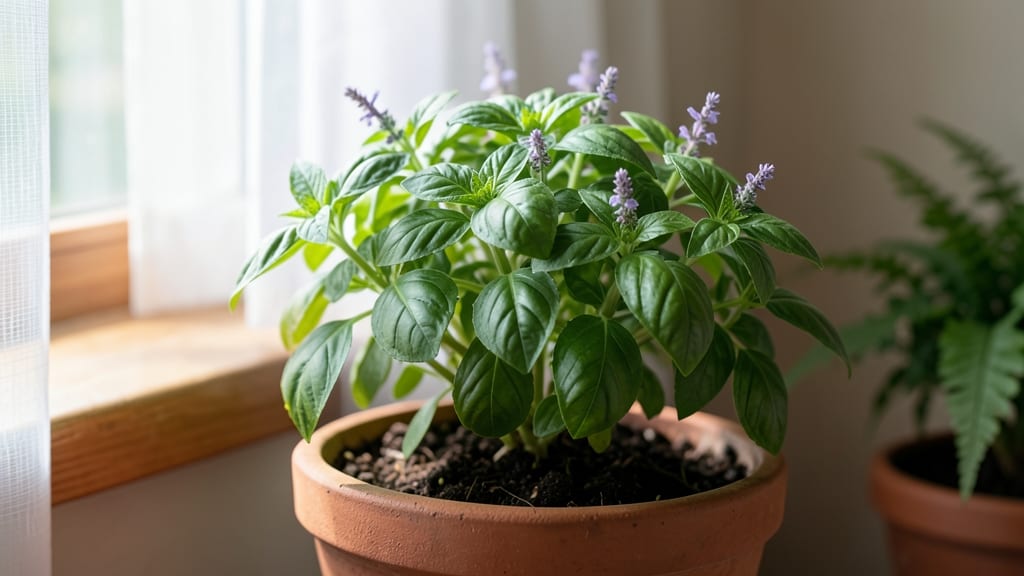
Growing salad leaf basil fast means starting with seeds in warm soil—within 7-10 days, you’ll see those first tender leaves. 🌱 I’ve learned the hard way that rushing germination by overwatering or planting too deep kills the enthusiasm before it begins.
The secret? A cozy, moist seed-starting mix and patience (yes, it’s real). This basil thrives in containers or garden beds, but 6-inch pots give you control over soil and sunlight. Keep it in bright light—even a south-facing window works—and water when the top inch feels dry.
The flavor? Peppery and sweet when harvested young, perfect for salads straight from the plant.
📚 In This Guide
- What you need
- Instructions
- Tips and common mistakes
- Wrapping up and next steps
What you need
- ● Salad leaf basil seeds: Choose a fast-maturing variety (e.g., Genovese, Sweet Basil, or Thai Basil). Aim for 20–50 seeds depending on your space.
- ● Growing containers: For pots: 4–6" diameter containers (1–2 seeds per pot) with drainage holes.
- ● For garden beds: Well-draining soil in a sunny spot (6+ hours of light daily). Space plants 12–18 inches apart.
- ● High-quality potting mix: Lightweight, organic mix with perlite or vermiculite (avoid garden soil—it’s too dense!).
- ○ Seed-starting soil (optional): For faster germination, use a sterile, seed-specific mix.
- ● Watering can or spray bottle: Gentle watering prevents seed displacement.
- ○ Gloves (optional): Protects hands from soil and sharp tools.
- ● Trowel or small shovel: For transplanting seedlings or loosening soil.
- ● Plant labels: Mark varieties if growing multiple types.
- ○ Fertilizer (optional but helpful): Balanced liquid fertilizer (e.g., 10-10-10) or compost tea for organic growth.
- ● Apply every 2–3 weeks once seedlings sprout.
- ● Grow lights (indoor only): LED or fluorescent lights (12–16 hours/day) if natural light is insufficient.
- ● Pruning shears: For harvesting leaves and encouraging bushier growth.
- ● Temperature: Ideal germination range: 70–80°F (21–27°C). Avoid cold drafts.
- ● Light: Full sun (6+ hours/day). Shade cloth (30–50%) can protect from harsh afternoon sun in hot climates.
- ● Humidity: Basil loves moisture—mist seedlings daily until established.
Step-by-Step instructions for growing salad leaf basil
Here’s how to grow tender, fast-harvest salad basil that stays productive all season.
🌱 Step 1: Start Seeds Indoors for Fast Germination
Fill small seed-starting trays with sterile seed-starting mix and moisten it until damp but not soggy. Press the soil down gently to remove air pockets—this ensures even moisture and better root contact. Plant 2-3 seeds per cell at a depth of just ¼ inch, since basil seeds need light to germinate properly. Cover the tray with a clear plastic lid or humidity dome to retain warmth and moisture.
Place the tray in a warm spot, ideally between 70-80°F. You’ll see sprouts in just 5-7 days—that’s the speed you’re after! Once the seedlings emerge, remove the lid immediately to prevent damping-off disease. Basil seedlings are delicate, so avoid disturbing them until they develop their first true leaves.
☀️ Step 2: Provide Bright, Indirect Light for Strong Growth
Move the seedlings to a location with bright, indirect light as soon as they sprout. A south-facing window works, but if your space is dim, supplement with a grow light positioned 4-6 inches above the plants. Basil grows fast, so keep the light close enough to prevent leggy, weak stems. You’ll know it’s working when the seedlings develop deep green, compact leaves with just 1-2 inches of space between nodes.
Rotate the trays a quarter turn daily so the plants grow upright rather than leaning toward the light. Overwatering is the biggest mistake here—let the top inch of soil dry out between waterings. You’ll see new growth within 10-14 days, signaling it’s time to transplant.
🪴 Step 3: Transplant Seedlings to Larger Containers
Choose 6-inch pots with drainage holes for each basil plant. Fill them with well-draining potting mix and make a small hole in the center. Gently remove a seedling by grasping the soil at its base, then place it in the new pot, ensuring the roots spread evenly. Press the soil lightly around the stem to secure it without compacting.
Water immediately after transplanting to help the roots settle. Place the pots in a location with at least 6 hours of sunlight daily, as basil thrives in warmth and light. You’ll notice new leaves forming within 3-5 days, indicating the plant has adjusted well. Keep the soil consistently moist but not waterlogged—basil hates soggy roots.
✂️ Step 4: Harvest Leaves for Continuous Production
Start harvesting the outer leaves when the plant reaches 6 inches tall. Use clean scissors or fingers to pinch above a leaf node, encouraging bushier growth. This method ensures you get tender, flavorful leaves while keeping the plant productive. Harvest every 2-3 weeks for a steady supply of salad greens.
If the plant bolts (sends up a flower stalk), snip it immediately to redirect energy back into leaf production. Basil grows quickly, so stay on top of harvesting—neglecting it leads to bitter, woody stems. With proper care, you’ll enjoy fresh salad leaves for 8-10 weeks before replanting.
Tips & tricks for perfect salad leaf basil growth
Fast germination and steady harvests start with these game-changing techniques for your salad leaf basil.
Germination Speed Hack: The ¼-inch seed depth in Step 1 is critical—any deeper and seeds won't get enough light to sprout. I've found using a fine mist spray bottle to dampen the sterile seed-starting mix gives more even moisture than watering from above. Place a small fan on low setting near the tray (not blowing directly) to create gentle airflow—this prevents mold while maintaining humidity. Those 5-7 days until sprouts appear will fly by with this setup!
Lighting Strategy: In Step 2, the 4-6 inch distance for grow lights is your sweet spot, but here's what nobody tells you: adjust the height daily as plants grow. Start with lights 6 inches away, then lower to 4 inches by day 10. Watch for leaves stretching toward the light—this is your cue to move the light closer. A simple timer set for 12-14 hours of light mimics natural daylight cycles perfectly.
Transplanting Technique: When moving seedlings to 6-inch pots in Step 3, I recommend making the hole slightly larger than the root ball—this prevents root circling. After transplanting, give the soil a gentle squeeze around the edges to eliminate air pockets without compacting. The 3-5 day window for new leaf growth is your confirmation that roots have established properly in their new home.
Harvesting Secret: In Step 4, the 6-inch height mark is just the beginning—continue harvesting the top sets of leaves every 2-3 weeks, always cutting just above a leaf node. This encourages bushier growth and prevents the plant from becoming woody. Pro tip: Harvest in the morning when leaves contain the most moisture and flavor. If you notice flower stalks forming, snip them immediately at the base—the plant will redirect its energy back to leaf production.
Pro Tips for Salad Leaf Basil
- Fast germination and steady harvests start with these game-changing techniques for your salad leaf basil.
- Germination Speed Hack: The ¼-inch seed depth in Step 1 is critical—any deeper and seeds won't get enough light to sp...
- Lighting Strategy: In Step 2, the 4-6 inch distance for grow lights is your sweet spot, but here's what nobody tells ...
Frequently asked questions
Got questions about growing salad leaf basil? You’re not alone! Here are answers to the most common queries from gardeners—whether you're a beginner or a seasoned green thumb.
How long does it take for salad leaf basil seeds to germinate?
Salad leaf basil seeds typically sprout in 7–14 days under ideal conditions (warm soil, consistent moisture, and indirect light). For faster results, pre-soak seeds for 4–6 hours or use a heat mat (70–80°F). Patience is key—don’t overwater, or seeds may rot!
Can I grow salad leaf basil indoors year-round?
Place your basil near a south-facing window or under grow lights (12–16 hours/day). Use well-draining pots with drainage holes, and keep temps between 65–75°F. Just watch for pests like spider mites—mist leaves occasionally to boost humidity.
What’s the best way to harvest salad leaf basil for maximum yield?
Pinch off leaves from the top (never more than ⅓ of the plant at once) to encourage bushier growth. For continuous harvests, use clean scissors and avoid tearing leaves. Pro tip: Harvest in the morning for the freshest, most flavorful leaves!
What can I do if my salad leaf basil turns yellow or wilt?
Yellowing leaves often signal overwatering or poor drainage. Let soil dry slightly between waterings, and ensure pots have drainage. Wilting? Check for underwatering or root rot (smelly soil = bad news). Move to indirect light if leaves scorch.
Can I substitute salad leaf basil for regular basil in recipes?
Yes! Salad leaf basil has a milder, sweeter flavor than Genovese or Thai basil, making it perfect for salads, pesto, or light dressings. For heartier dishes, mix it with traditional basil or add a pinch of red pepper flakes for depth.
Wrapping up and next steps
Growing salad leaf basil is a rewarding journey that brings fresh, aromatic greens straight to your kitchen—no matter the season! 🌱 With the right soil, light, and care, you can enjoy fast germination and year-round harvests in just a few weeks.
Whether you’re a beginner or a seasoned gardener, these hacks make it simple and fun.
Ready to dive in? Start by gathering your supplies, then plant your seeds with confidence. Your first harvest could be just 3-4 weeks away! Happy growing, and may your garden always stay vibrant and full of flavor. 🌿