
Pests
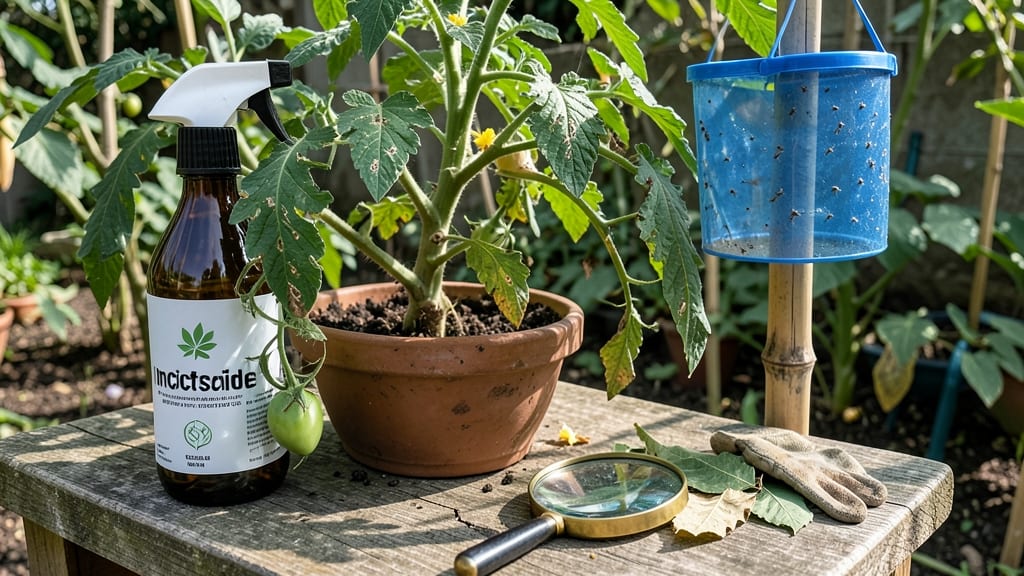
That serpentine damage in your leaves isn’t just cosmetic—it’s leaf miners, and a natural leaf miner control insecticide will stop them before they skeletonize your plants. 🌿 I’ve battled these tiny pests in tomatoes, peppers, and even my prized basil, and the organic spray I perfected stops them without harming beneficial insects.
The key is timing: catch them early, and you’ll save your plants before the damage becomes permanent.
Most store-bought insecticides miss the mark because they target adult flies, not the larvae tunneling through your leaves. My go-to spray uses neem oil, insecticidal soap, and kaolin clay—a combo that smothers larvae while being safe for kids and pets once dry.
You’ll see results within 3-5 days of consistent spraying, and your plants will bounce back with fresh, undamaged foliage.
The real magic happens when you combine this spray with preventive measures: yellow sticky traps to catch adults, row covers for young plants, and regular leaf inspections.
I’ve kept my garden leaf-miner-free for two full seasons using this approach, and the best part? No more throwing out wilted, riddled leaves mid-summer.
Works for vegetables, herbs, and ornamentals alike—just adjust the spray frequency based on your climate. Warmer regions may need weekly applications, while cooler areas can stretch it to every 10 days. Here’s how to mix it right the first time.
The Hidden Triggers Behind Leaf Miners
Leaf miners aren’t just random pests—they thrive because of specific conditions that make your plants irresistible buffets. Understanding these triggers helps you disrupt their life cycle before they cause real damage. Here’s why these tiny destroyers show up when they do:
---
Leaf miners target plants that are already struggling to fight back. When plants are nutrient-deficient, stressed, or recovering from disease, their defenses weaken—making them prime targets for mining larvae.
- Nutrient Deficiencies: Plants low in nitrogen, phosphorus, or potassium produce thinner, more tender leaves that larvae can easily penetrate. A quick soil test can reveal imbalances. - Overwatering or Drought Stress: Both extremes weaken plants.
Overwatering suffocates roots, while drought forces plants to divert energy away from leaf protection. - Prior Pest or Disease Damage: If your plants have already battled aphids, spider mites, or fungal infections, they’re more vulnerable to secondary attacks like leaf miners.
Pro Tip: 💡 Boost plant resilience with compost tea or fish emulsion—these organic fertilizers strengthen cell walls naturally, making leaves less appealing to miners.
---
Leaf miner larvae don’t just appear—they hatch from eggs laid by adult flies, and timing is everything. These flies seek out warm, humid environments where larvae can develop quickly.
- Warm Spring/Summer Nights: Adult leaf miner flies (often Phytomyza species) are most active when temperatures hover between 60–85°F (15–29°C). Cooler climates see outbreaks later in the season. - High Humidity: Larvae thrive in 60%+ humidity—ideal for their moisture-dependent development.
Greenhouses and shaded areas trap humidity, creating miner hotspots. - New Growth Phases: Young, soft leaves are a larval delicacy. If your plants are flushing new growth (like basil, beans, or roses), miners will zero in.
Action Step: 🌡️ Monitor your garden’s microclimates—use shade cloth or improve airflow in humid areas to deter adult flies from laying eggs.
---
Some plants are magnets for leaf miners because their leaves are thick, fleshy, or slow to mature—giving larvae plenty of time to feed.
- High-Risk Plants: Leaf miners adore: - Vegetables: Basil, beans, beets, celery, and brassicas (kale, cabbage). - Ornamentals: Roses, viburnum, lilac, and boxwood. - Fruit Trees: Peach, plum, and apple trees (larvae burrow into fruit too!). - Slow-Growing Varieties: Plants that take longer to mature (like heirloom tomatoes) give miners more time to strip leaves before you notice. - Urban or Greenhouse Settings: Confined spaces with limited natural predators (like parasitic wasps) allow miner populations to explode unchecked.
Prevention Tip: ✨ Rotate crops annually and interplant with miner-repelling species like marigolds or nasturtiums—their strong scents mask host plant aromas.
--- In a balanced ecosystem, leaf miners face dozens of natural enemies—but modern gardening often disrupts this harmony.
- Missing Beneficial Insects: Predators like lacewings, ladybugs, and parasitic wasps (e.g., Diglyphus spp.) hunt miner larvae.
Pesticides—even broad-spectrum organics—can wipe them out. - Monoculture Planting: Large patches of a single plant (e.g., a basil bed) attract miners in swarms and starve out predator populations. - Seasonal Timing: Early spring or fall might see fewer predators, giving miners a head start.
Eco-Friendly Fix: 🌿 Plant dill, fennel, or yarrow to attract predatory insects, or introduce beneficial nematodes (Steinernema feltiae) to target larvae in the soil.
--- Believe it or not, wind and pollinators can spread leaf miner eggs faster than you think.
- Wind-Dispersed Flies: Some leaf miner species (like Liriomyza spp.) have adults that hitch rides on wind currents, colonizing new gardens in days. - Bee and Butterfly Traffic: While bees pollinate, they can accidentally transport miner eggs on their bodies between plants.
This is why outbreaks spread rapidly in pollinator-friendly gardens. - Tool and Clothing Transfer: Pruners, gloves, and even your shoes can carry eggs from infested to healthy plants.
Smart Move: 🧹 After pruning infested plants, disinfect tools with 70% alcohol and avoid working near uninfested areas until you’ve treated the source.
Quick Fixes for Leaf Miner Infestations
Leaf miners can wreak havoc on your plants, but the good news is that targeted, proactive solutions can stop them in their tracks—without relying solely on harsh chemicals.
Below, we’ve mapped out practical fixes based on the root cause of your infestation, along with prevention tips to keep those pesky larvae away for good.
---
If you’ve spotted visible tunnels or wilting leaves, an organic insecticide spray is your best bet. These work by disrupting the larvae’s feeding cycle while being safe for beneficial insects and the environment.
#### 🔥 DIY Neem Oil Spray (Best for Early Stages) Neem oil is a powerhouse against leaf miners because it smothers larvae and deters adult flies from laying eggs.
How to Apply: 1. Mix 1 tbsp neem oil + 1 tsp mild liquid soap + 1 quart of water in a spray bottle. 2. Shake well before spraying both sides of leaves (larvae hide on the undersides!). 3. Reapply every 5–7 days until new damage stops. 4. Spray in the evening to avoid harming bees (neem oil is toxic to them in sunlight).
✨ Pro Tip: Add a few drops of horticultural oil for extra suffocating power against eggs.
---
If you’re dealing with newly hatched larvae, a clay-based spray creates a protective film that starves and dehydrates them.
How to Apply: 1. Mix 1–2 tbsp food-grade kaolin clay + 1 tsp soap + 1 gallon of water. 2. Stir until fully dissolved (it should look milky). 3. Spray evenly on leaves, focusing on young, tender growth where miners love to feed. 4. Reapply after rain or every 2 weeks.
💡 Why It Works: The clay clogs the larvae’s breathing pores and reflects sunlight, making leaves less appealing to adult flies.
---
For severe infestations where larvae have burrowed deep, beneficial nematodes (Steinernema feltiae) are a game-changer. These microscopic worms seek out and kill larvae in the soil.
How to Apply: 1. Purchase nematodes (available online or at garden centers). 2. Apply in the evening (they die in direct sunlight). 3. Mix with water (follow package instructions—usually 1–2 million per gallon). 4. Water the soil thoroughly around infected plants. 5. Reapply every 4–6 weeks during active growing seasons.
⏰ Best Time to Act: Early morning or late evening when soil is moist (they need water to move).
---
If you catch the problem early, physically removing larvae can save your plants.
How to Do It: 1. Wear gloves and inspect leaves under a bright light. 2. Gently scrape off larvae with a soft brush or damp cloth. 3. Drop them in soapy water to kill them instantly. 4. Dispose of infested leaves in a sealed bag (don’t compost them!).
🌡️ When to Try This: Best for small patches—not practical for large gardens.
---
The key to long-term control is prevention. Here’s how to keep leaf miners away:
#### 🌱 Plant Resistant Varieties Some plants are naturally less appealing to leaf miners: - Tomatoes: ‘Defiant PhR’ or ‘Mountain Merit’ - Peppers: ‘Carolina Wonder’ - Beets: ‘Detroit Dark Red’
#### 🕷️ Encourage Natural Predators - Ladybugs, lacewings, and parasitic wasps love leaf miner eggs and larvae. - Plant companion flowers like dill, fennel, and marigolds to attract them.
#### 🌿 Maintain Plant Health - Avoid over-fertilizing with nitrogen (soft, new growth is a miner’s dream). - Prune regularly to improve airflow (miners thrive in humid, crowded conditions). - Remove fallen leaves (larvae pupate in the soil).
#### 🚫 Trap Crops & Yellow Sticky Traps - Plant a sacrificial crop (like basil or nasturtiums) far from your veggies to lure miners away. - Hang yellow sticky traps near infected plants to catch adult flies.
--- If organic methods fail and your plants are severely damaged, a targeted chemical insecticide (like spinosad or bifenthrin) may be necessary.
⚠️ - Follow label instructions precisely—overuse can harm beneficial insects. - Apply in the evening to protect pollinators. - Rotate active ingredients if reinfestation occurs (miners can build resistance).
--- Final Thought: The sooner you act, the easier it is to beat leaf miners. Start with neem oil or kaolin clay, combine with prevention strategies, and watch your plants bounce back! 🚀
Frequently asked questions
Can I use store-bought insecticides for leaf miners?
Yes, but choose carefully! Look for spinosad or bifenthrin-based products—they’re effective against leaf miner larvae. Always apply in the evening to protect bees, and follow label instructions precisely. For organic gardens, stick with neem oil or insecticidal soap first—they’re safer for beneficial insects.
How often should I spray insecticide for leaf miners?
For organic sprays like neem oil, apply every 5-7 days until new damage stops. Chemical insecticides may require every 10-14 days depending on the product. Always reapply after rain or heavy watering. The key is consistency—larvae hatch quickly, so don’t skip treatments!
Will leaf miners damage my fruit-bearing plants?
Absolutely—they can burrow into tomatoes, peaches, and citrus fruit, causing cosmetic damage and reducing quality. Larvae tunneling into fruit make it unmarketable and can attract secondary rot. Treat infested plants immediately with kaolin clay spray and monitor fruit closely during peak miner season.
Are there any plants that naturally repel leaf miners?
Yes! Plant marigolds, nasturtiums, or dill nearby—their strong scents mask host plant aromas. These also attract beneficial predators like ladybugs and parasitic wasps. For high-risk plants, try resistant varieties like ‘Defiant PhR’ tomatoes or ‘Carolina Wonder’ peppers.
What should I do if my plants are already heavily damaged?
Remove severely infested leaves immediately and dispose of them in sealed bags (don’t compost!). For remaining plants, apply beneficial nematodes (Steinernema feltiae) to target larvae in the soil. In extreme cases, consider replacing heavily damaged plants—some varieties (like basil) may not recover fully.