
Plants
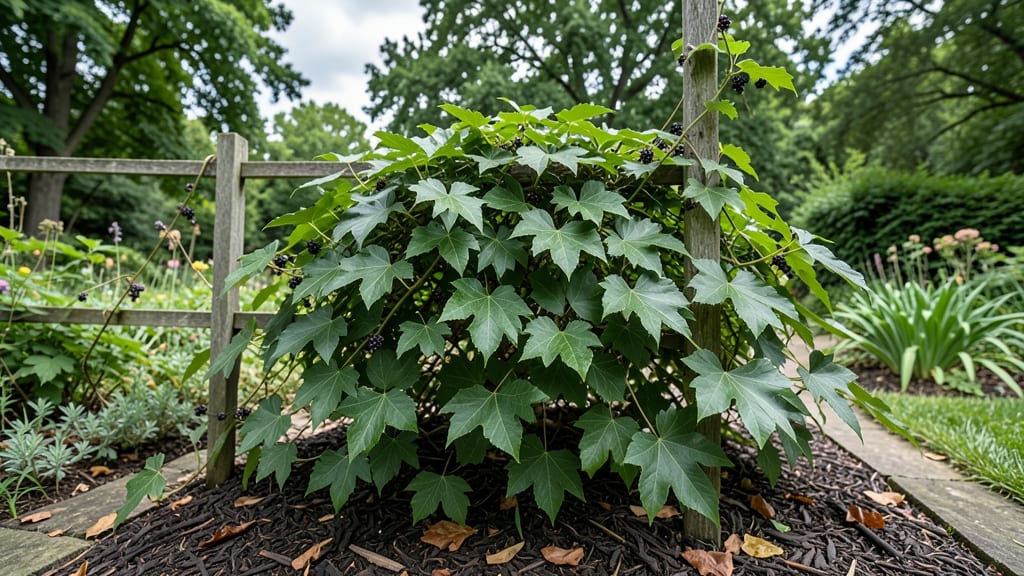
Transforming your indoor space into a lush vertical garden starts with this five-leaf climbing vine—a hardy, fast-growing beauty that thrives in containers. I’ve mastered growing Parthenocissus quinquefolia (Virginia Creeper) indoors, and its deep green, five-fingered leaves create a stunning jungle vibe without the outdoor space.
The key? Mimicking its natural habitat with the right light, soil, and support system.
This vine loves bright, indirect light but tolerates lower light better than most climbers, making it perfect for apartments or offices. Use a well-draining potting mix with organic matter, and water when the top inch of soil feels dry—overwatering is the fastest way to kill it.
A trellis, moss pole, or even a sturdy wire frame gives it the support it craves to climb and spread.
By late summer, you’ll see it transform bare walls into a vibrant green tapestry, with new growth appearing every few weeks. Prune in early spring to shape it and encourage bushier growth, and watch as it becomes the centerpiece of any room.
The best part? It’s beginner-friendly and forgiving—even if you forget to water occasionally.
Whether you’re filling a corner, dressing up a bookshelf, or creating a living room divider, this vine adapts beautifully. Just remember: the more you train it, the more dramatic it grows. Ready to bring the outdoors in?
📚 In This Guide
- What you need
- Instructions
- Tips and common mistakes
- Wrapping up and next steps
What you need
- ● Five leaf climbing vine: 1 nursery-grown plant (6–12 inches tall, potted) OR
- ● Seeds (if propagating from scratch—requires patience!)
- ● Healthy cuttings (4–6 inches long, with 3–5 leaves)
- ● Container: 1–2 drainage holes
- ● 10–15 inches in diameter (for mature plants)
- ● Material: Terracotta, ceramic, or plastic (terracotta helps regulate moisture)
- ● Potting mix: 1 bag (1–2 cubic feet) well-draining cactus/succulent mix OR regular potting soil amended with:
- ● 20% perlite or pumice (for aeration)
- ● 10% compost (for nutrients)
- ● Support structure: Trellis, lattice, or stakes (4–6 feet tall, sturdy enough to hold 10+ lbs of foliage)
- ○ Optional: Twine or soft plant ties (to secure vines gently)
- ● Tools: 1 pair pruning shears (sterilized)
- ● 1 small trowel (for repotting)
- ● 1 spray bottle (for misting seedlings/cuttings)
- ● Slow-release fertilizer (balanced 10-10-10 or organic options like worm castings)
- ● Peat moss or coconut coir (for seed-starting)
- ● Rooting hormone (for cuttings—speeds up growth!)
- ● Self-watering planter (if you travel often)
- ● Decorative pebbles or mulch (to retain moisture and add aesthetics)
Step-by-step guide to growing a thriving five-leaf climbing vine indoors
Transform your space with lush, trailing greenery using this simple, container-friendly method.
🪴 Step 1: Choose the Right Container and Drainage
Select a container that's at least 12 inches deep with drainage holes to prevent root rot. I prefer terracotta pots because they breathe and help regulate moisture levels. If your container lacks drainage, drill holes in the bottom and add a layer of small pebbles or broken pottery pieces to create a drainage layer.
For a five-leaf climbing vine, a 10-12 inch diameter pot gives enough room for roots to spread while keeping the plant manageable. Place the pot in a saucer or tray to catch excess water. This vine thrives when slightly root-bound, so avoid oversized containers that encourage too much soil moisture.
🌱 Step 2: Prepare the Potting Mix and Plant
Use a well-draining potting mix blended with 20% perlite or orchid bark to improve aeration. This vine prefers slightly acidic to neutral soil with good drainage. Fill the container about two-thirds full with the mix, leaving space for the plant and additional soil.
Gently remove the vine from its nursery pot and loosen the roots if they appear compacted. Position the plant so the base sits 1 inch below the pot’s rim. Fill the remaining space with potting mix, pressing lightly to secure the plant. Water thoroughly until moisture drains from the bottom holes—this helps settle the soil and removes air pockets.
☀️ Step 3: Position for Optimal Light and Humidity
Place your vine in bright, indirect light—think east or west-facing windows or 6-8 feet from a south-facing window. Direct sunlight can scorch the leaves, while too little light leads to leggy growth. If natural light is limited, supplement with a grow light positioned 12-18 inches above the plant for 12-14 hours daily.
Mist the leaves 2-3 times weekly or use a pebble tray filled with water to increase humidity. This vine loves moisture in the air, especially in dry indoor environments. You’ll notice healthier, glossier leaves within a few weeks of maintaining consistent humidity. Avoid letting the soil dry out completely—keep the top 1-2 inches slightly damp by watering when the surface feels dry to the touch.
✂️ Step 4: Train and Prune for Bushier Growth
Guide the vine along a trellis, moss pole, or string to encourage upward growth. Tie the main stem loosely to the support with soft plant ties or twist ties every 6-8 inches as it grows. This prevents the stem from snapping under the vine’s weight. Prune leggy stems back to a leaf node to promote bushier growth—this redirects energy to new shoots.
Trim back any yellow or damaged leaves immediately to keep the plant healthy. I also pinch off the tips of new growth in early spring to stimulate branching. This is the moment that matters: pruning in the growing season ensures you’ll have a fuller, more vibrant plant by summer. Fertilize lightly with a balanced liquid fertilizer every 4-6 weeks during the growing season to support new growth.
💧 Step 5: Maintain Year-Round Care
Reduce watering in winter months when growth slows, allowing the top 2-3 inches of soil to dry out between waterings. Overwatering in cooler months can lead to root rot. Keep the plant in 60-75°F temperatures—avoid drafts from windows or heating vents, which can stress the vine.
Watch for pests like spider mites or aphids, especially in dry conditions. Wipe leaves with a damp cloth weekly to remove dust and deter pests. If you notice yellowing leaves, check for overwatering or nutrient deficiencies. A simple adjustment—like moving the plant to brighter light or adding a balanced fertilizer—often restores health quickly.
Tips & tricks for perfect five-leaf climbing vine growth
Here's what nobody tells you about keeping your climbing vine thriving indoors without the guesswork.
Container Selection: The 12-inch depth and 10-12 inch diameter recommendations aren't arbitrary—they create the perfect balance for root development. If you're working with a shallower pot, add a layer of broken terracotta pieces at the bottom to compensate for the missing depth. This mimics the natural aeration of deeper soil while preventing root rot. I've found that wider pots encourage more lateral root growth, which translates to bushier vines.
Lighting Strategy: That 12-14 hour grow light recommendation is non-negotiable for consistent growth. If you're using natural light, rotate your plant every 2-3 weeks so all sides get equal exposure. I've seen vines develop uneven growth when left in one spot—look for leaves stretching toward the light as your first warning sign. For grow lights, position them just above the plant's height to prevent leaf burn while maintaining that crucial 12-14 hour cycle.
Pruning Timing: The early spring pinching suggestion is your secret weapon for bushier growth. When you pinch off those new growth tips, you're actually encouraging the plant to produce multiple side shoots from the leaf nodes below. I recommend doing this when you see 4-6 new leaves forming—this gives the plant enough energy to compensate for the pruning. And always use clean, sharp scissors to avoid damaging the stem, which can introduce infections.
Winter Care: That 2-3 inch soil drying guideline in winter is crucial—overwatering is the #1 cause of root rot during dormancy. I've had plants recover from winter neglect by simply moving them to brighter light and reducing watering, but recovery takes patience. A simple trick: stick your finger in the soil at the 2-inch mark. If it feels dry, it's time to water. If it's still damp, wait another day.
Pro Tips for Five Leaf Climbing Vine
- Here's what nobody tells you about keeping your climbing vine thriving indoors without the guesswork.
- Container Selection: The 12-inch depth and 10-12 inch diameter recommendations aren't arbitrary—they create the perfe...
- Lighting Strategy: That 12-14 hour grow light recommendation is non-negotiable for consistent growth. If you're using...
Frequently asked questions
Got questions about growing your own five-leaf climbing vine (Parthenocissus quinquefolia)? Here are some of the most common ones—and their answers—to help you create a thriving indoor jungle!
What’s the best container size for a five-leaf climbing vine?
A 5-gallon pot is ideal for young vines, but mature plants thrive in 10+ gallon containers with drainage holes. Since this vine grows aggressively, choose a container at least 12-18 inches deep to accommodate its root system. If growing in a smaller pot, prune roots or repot every 2-3 years to prevent crowding.
How long does it take for a five-leaf climbing vine to grow indoors?
With proper care, you’ll see noticeable growth in 3-6 months—expect 1-2 feet of new growth per season if given bright, indirect light and regular watering. For faster results, use a balanced fertilizer (10-10-10) during spring and summer. Patience is key, though—full maturity (10+ feet) may take 3-5 years in containers.
Why are the leaves turning yellow or dropping?
Yellowing leaves usually signal overwatering or poor drainage. Let the top 1-2 inches of soil dry out between waterings, and ensure your pot has drainage holes. Brown edges or crispy leaves? Underwatering or low humidity could be the culprit. Mist leaves occasionally or place a pebble tray with water nearby to boost moisture.
Can I grow a five-leaf climbing vine indoors without sunlight?
This vine needs bright, indirect light (like an east or north-facing window) to thrive. Without enough light, growth slows, and leaves may become small and leggy. If natural light is limited, supplement with a grow light (12-14 hours/day). A south-facing window or a sunny balcony can also work—just avoid harsh afternoon sun, which can scorch leaves.
What are some low-maintenance alternatives to five-leaf climbing vine?
If the five-leaf vine seems too high-maintenance, try these easy-care climbing plants:
- English Ivy (Hedera helix): Hardy and fast-growing, tolerates low light.
- Philodendron (Philodendron hederaceum): Thrives in shade, great for beginners.
- Pothos (Epipremnum aureum): Nearly indestructible, grows in water or soil.
- Boston Fern (Nephrolepis exaltata): Loves humidity, adds lush texture.
Wrapping up and next steps
Transforming your space into a lush indoor jungle with a five-leaf climbing vine is easier—and more rewarding—than you think! 🌿 Whether you’re drawn to its striking foliage, air-purifying benefits, or the joy of nurturing a thriving plant, this versatile vine delivers.
Start small, experiment with containers, and let your green thumb grow—your indoor oasis awaits!
Ready to dive in? Grab your supplies, pick your pot, and give your vine the love it deserves! 🌱 Review the checklist or browse common questions to kickstart your project today.