
Leaf Blower
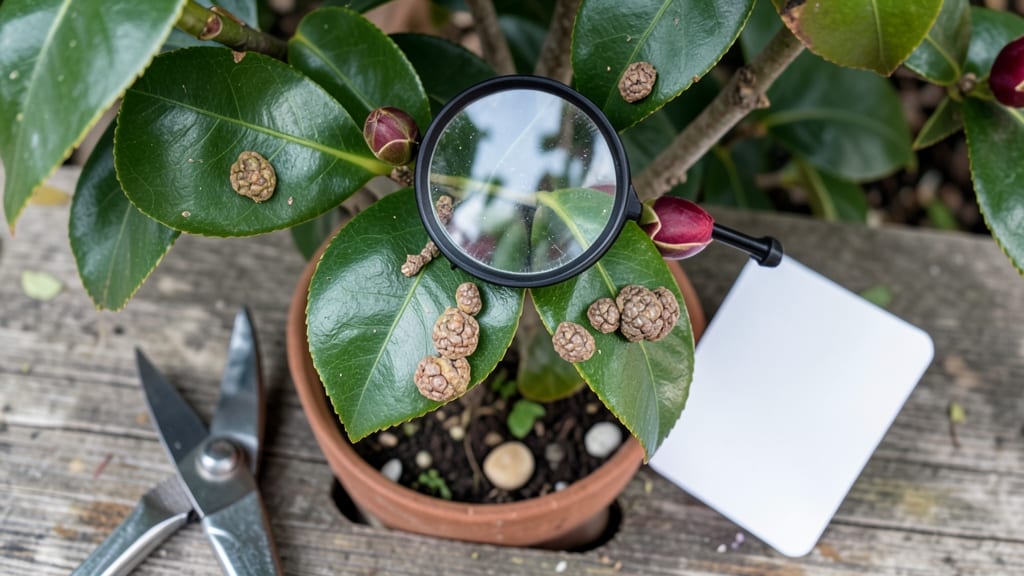
Your camellia’s twisted, gall-covered leaves aren’t a death sentence—just a call for action. 🌿 Camellia leaf gall, whether from fungi like Fusarium or scale insects, can stunt growth and mar your plant’s beauty, but early treatment brings it back to healthy strength.
The key? Spotting the problem fast and using the right mix of organic fixes and smart care.
Galls start as small bumps on leaves or stems, then swell into unsightly deformities. Some turn woody, others ooze sap—both signs your camellia’s struggling. The culprits? Fungal spores lurking in soil or scale insects hitching rides on new growth.
The good news? Pruning infected leaves, applying neem oil, or even a copper fungicide can turn the tide before it spreads.
With the right approach, your camellia rebounds faster than you’d expect. Start by removing galls with sterilized shears, then boost its defenses with balanced fertilizer and mulch. Within weeks, you’ll see fresh, smooth leaves pushing through—proof that even stubborn problems have solutions.
This works for all camellia varieties, whether you’ve got a single bush or a full garden. The secret? Staying ahead of the issue with regular checks and quick responses. Let’s get those leaves looking like new again.
The Hidden Triggers Behind Gall Formation
Understanding why your camellia leaves develop those unsightly galls is the first step toward prevention. These abnormal growths—often round, rough, or wart-like—are rarely caused by a single factor. Instead, they typically arise from a mix of environmental stressors, pest activity, and plant vulnerabilities.
Below, we break down the key culprits behind gall formation, so you can address the root cause and restore your camellia’s health.
---
The most common cause of camellia leaf galls is insect activity, particularly from gall wasps (family Cynipidae) and mites. These pests don’t just randomly attack—they exploit weak or stressed plants.
- Gall Wasps (Neuroterus spp.): These tiny, winged insects lay eggs in the leaf tissue. When the larvae hatch, they trigger an overgrowth response from the plant, forming galls as a protective barrier.
The larvae feed inside, distorting the leaf’s shape and texture. - Signs: Small, hard, raised bumps (often yellow or green) that may turn brown over time. - Actionable Tip: 💡 Prune and destroy heavily infested leaves before the wasps emerge (usually late spring to early summer).
Use horticultural oil in early spring to smother eggs.
- Spider Mites (Tetranychus spp.): While mites don’t cause galls directly, their feeding weakens leaves, making them more susceptible to fungal infections or secondary gall wasp attacks. - Signs: Stippling (tiny white dots), webbing, and leaf curling. - Actionable Tip: 🌡️ Blast leaves with water to dislodge mites, or apply neem oil (follow label instructions) to disrupt their life cycle.
---
Galls thrive when camellias are already struggling. Poor growing conditions create the perfect storm for pests and pathogens to take hold.
- Overcrowded or Poor Airflow: Dense foliage traps moisture, creating a humid microclimate that encourages gall wasp activity and fungal growth. - Fix: 🔥 Thin out branches to improve airflow, especially in shaded or high-humidity areas.
- Nutrient Deficiencies (Especially Nitrogen & Zinc): Weak, yellowing leaves are prime targets.
Gall wasps seek out plants with low protein (nitrogen) or zinc, which impairs cell wall strength. - Actionable Tip: ✨ Conduct a soil test and amend with balanced fertilizer (10-10-10) or zinc sulfate if deficiencies are detected.
- Water Stress (Over- or Under-Watering): - Overwatering: Soggy soil invites fungal infections that mimic gall symptoms (e.g., anthracnose). - Underwatering: Drought-stressed leaves lose resilience, making them easier targets for pests. - Fix: 💧 Water deeply but infrequently (1–2 inches per week), and ensure pots have drainage holes.
---
While galls are often insect-driven, fungal infections can mimic or worsen the problem, especially if leaves are already damaged.
- Anthracnose (Colletotrichum spp.): This fungus thrives in wet conditions and infects through wounds (e.g., from gall wasp activity or pruning cuts).
It causes dark, sunken lesions that may resemble severe galls. - Signs: Black or brown spots with yellow halos, often on older leaves. - Actionable Tip: 🎯 Apply copper fungicide (e.g., Bordeaux mixture) in early spring, and sterilize pruners with rubbing alcohol between cuts.
- Powdery Mildew (Erysiphe spp.): While not a gall itself, powdery mildew weakens leaves, making them more attractive to gall wasps. - Signs: White, powdery patches on leaf surfaces. - Fix: 🌿 Spray with baking soda solution (1 tsp baking soda + 1 quart water + a drop of dish soap) weekly during humid periods.
---
Not all camellias are equally susceptible. Young, stressed, or hybrid varieties often fall prey to galls more frequently.
- Young or New Growth: New leaves are tender and lack the protective resins of mature foliage, making them ideal targets for gall wasps. - Prevention: 🔥 Monitor new growth closely in spring and treat with insecticidal soap if galls appear early.
- Hybrid Camellias (e.g., Camellia japonica hybrids): Some hybrids, bred for ornamental traits, have weaker natural defenses against pests. - Solution: Choose disease-resistant varieties like Camellia sasanqua ‘Yuletide’ or Camellia japonica ‘Donation’ for better resilience.
--- Key Takeaway: Galls are rarely a standalone issue—they’re a symptom of a stressed plant. By addressing pests, environmental factors, and plant health, you can break the cycle and keep your camellia thriving. Stay vigilant, and those galls won’t stand a chance!
Quick Fixes for Gall-Damaged Leaves
Reviving your camellia’s health starts with targeted care—whether the issue is fungal galls, insect activity, or environmental stress. Below, we break down practical solutions based on the root cause, plus prevention tips to keep your tree thriving long-term.
---
If your camellia leaves are covered in wart-like growths (likely Exobasidium fungus), act fast to stop the spread.
#### ✂️ Step 1: Prune Infected Growths - 🔥 Remove galls and surrounding leaves with clean, sharp pruners.
Cut at least ½ inch below the gall to prevent reinfection. - 👨🍳 Bag and dispose of clippings in the trash (not compost)—fungus can survive in soil. - 🌡️ Sterilize tools with rubbing alcohol between cuts to avoid cross-contamination.
#### 💡 Step 2: Apply Fungicide - 🎯 Organic option: Spray leaves with a neem oil solution (1 tbsp neem oil + 1 tsp mild soap per quart of water).
Reapply every 7–10 days until new growth appears. - 🔥 Chemical option: Use a copper fungicide (like Bonide Copper Fungicide) following label instructions. Best for severe cases.
#### 🌱 Prevention Tips - ✨ Improve airflow by thinning dense foliage. - 💡 Water at the base (avoid overhead spraying) to keep leaves dry. - 🌡️ Space out plants to reduce humidity buildup in shaded areas.
---
If galls are hard, woody lumps (often from camellia scale, gall wasps, or mites), focus on eliminating the pests.
#### 🔪 Step 1: Identify the Culprit - 👨🍳 Check for: Tiny bumps (scale), sawdust-like frass (gall wasps), or webbing (mites). - 🔍 Use a magnifying glass if needed—early detection = easier treatment.
#### 💡 Step 2: Treat with Natural Insecticides | Pest | Solution | Frequency | |-------------------|-----------------------------------------------------------------------------|-----------------------------| | Scale | Horticultural oil (dormant season) or soapy water spray (1 tbsp soap/gal water) | Every 5–7 days for 3 weeks | | Gall Wasps | Kaolin clay (creates a barrier) or spinosad spray (organic) | Every 2 weeks until wasps decline | | Mites | Neem oil or predatory mites (release in spring) | Weekly until infestation stops |
#### 🌱 Prevention Tips - 🎯 Encourage natural predators like ladybugs and lacewings by planting companion flowers (e.g., marigolds). - 💡 Inspect new plants before adding them to your garden. - 🌡️ Avoid over-fertilizing—excess nitrogen attracts soft-bodied pests.
---
If galls appear after drought, extreme heat, or poor soil, focus on restoring balance.
#### 🥘 Step 1: Hydrate and Mulch - 💡 Water deeply 1–2 times per week (check soil moisture—top 2 inches should be dry). - 🌱 Add 2–3 inches of mulch (wood chips or pine straw) to retain moisture and regulate temperature.
#### 💡 Step 2: Feed Smartly - 📊 Use a slow-release fertilizer (like 10-10-10) in early spring—avoid high-nitrogen feeds in summer. - 🥗 Test soil pH (ideal: 5.5–6.5 for camellias). Amend with sulfur if too alkaline.
#### 🌱 Prevention Tips - ✨ Choose the right location—camellias thrive in partial shade (especially in hot climates). - 🌡️ Avoid pruning in late summer—new growth is more susceptible to stress. - 💡 Monitor weather—protect young trees with shade cloth during heatwaves.
--- Pro Tip: 🌟 Combine treatments for best results—e.g., prune fungal galls, then apply neem oil to deter future pests. Consistency is key!
Frequently asked questions
What do camellia leaf galls look like?
Camellia leaf galls appear as small, hard bumps that start yellow or green and may turn brown or woody over time. They can be round, irregular, or even wart-like, often distorting the leaf shape. Some resemble tiny tumors, while others look like swollen growths along leaf veins or stems.
Are camellia leaf galls harmful to my plant?
While rarely fatal, severe gall infestations can weaken your camellia by diverting energy away from healthy growth. Chronic cases may cause leaf drop, stunted blooms, or increased susceptibility to other pests. Early treatment prevents long-term damage and helps maintain your plant's vigor.
Can I use home remedies for camellia leaf galls?
Yes! For mild cases, try a neem oil spray (1 tbsp neem + 1 tsp soap per quart of water) or horticultural oil applied every 7-10 days. Prune affected leaves with sterilized shears and improve airflow around your plant. For fungal galls, a baking soda solution (1 tsp baking soda + 1 quart water) can help prevent spread.
How do I prevent camellia leaf galls from returning?
Focus on plant health and preventive care: maintain proper spacing for airflow, water at the base (not overhead), and fertilize with balanced formulas. Monitor new growth in spring, and apply kaolin clay as a protective barrier. Regularly inspect leaves and remove any suspicious growths immediately.
Will my camellia grow back normally after gall treatment?
With proper care, most camellias recover fully! Remove infected growths, address the root cause (pests, fungi, or stress), and your plant should produce fresh, healthy leaves within 4-8 weeks. New growth will appear smooth and normal as the plant redirects energy to recovery. Severe cases may take longer but still respond well to consistent treatment.