
Pests and Diseases
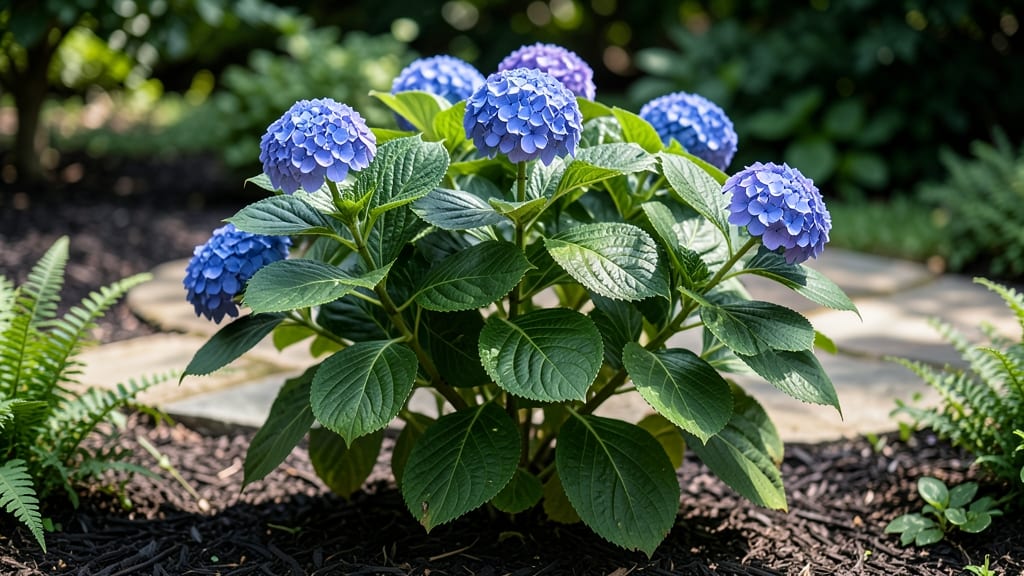
Big leaf hydrangeas can grow 6 to 10 feet tall with a spread of 5 to 8 feet—but their size depends entirely on pruning. 🌿 I’ve watched these plants go from compact shrubs to towering giants in just a few years, and the difference comes down to when and how you cut them back.
The right pruning schedule keeps them manageable while maximizing those showstopping blooms you’re dreaming of.
Most gardeners underestimate how much pruning controls size. Cutting back too late or too hard can send your hydrangea into overdrive, while over-pruning stunts it. The key is timing: prune right after flowering for bushier growth, or in late winter to shape the plant before new growth starts.
Cultivars like 'Nikko Blue' stay more compact, while 'Endless Summer' can sprawl if left unchecked.
With proper care, you’ll end up with a lush, blooming centerpiece that fits your space perfectly. The secret is balancing sunlight (they love morning sun and afternoon shade), well-draining soil, and consistent watering—all of which keep growth steady and blooms abundant.
Even in small gardens, these hydrangeas shine when managed right.
Here’s the thing—once you master the pruning rhythm, your hydrangea will reward you with bigger, more vibrant blooms every year. And the best part? You’ll avoid the common mistake of letting them grow wild, which can lead to leggy stems and fewer flowers. Let’s get those shears ready!
📚 In This Guide
- What you need
- Instructions
- Tips and common mistakes
- Wrapping up and next steps
What you need
- ● Pruning shears: Bypass pruners (sharp, clean, and sterilized with rubbing alcohol or bleach solution). Quantity: 1 pair.
- ● Garden gloves: Heavy-duty, chemical-resistant gloves to protect your hands. Quantity: 1 pair.
- ● Disinfectant: 1-part bleach to 9-parts water solution (for sterilizing tools between cuts).
- ● Mulch: Organic mulch (e.g., shredded bark or wood chips) to retain moisture and regulate soil temperature. Quantity: 2–3 inches, spread evenly around the base.
- ● Fertilizer: Slow-release, acid-loving plant fertilizer (e.g., 10-10-10 or hydrangea-specific formula). Quantity: Follow package instructions (typically 1–2 lbs per 100 sq ft).
- ○ Loppers: For thicker branches (optional but helpful for mature hydrangeas).
- ● Hose with nozzle: For rinsing tools and cleaning up debris.
- ● Soil pH test kit: To monitor acidity (ideal range: 5.2–5.5 for blue blooms; 6.0+ for pink).
- ● Plant support (stakes or cages): If your hydrangea is top-heavy or leggy (e.g., 1–2 stakes per plant).
- ○ Pruning sealant: (Optional) For large cuts to prevent disease entry.
- ● Know your hydrangea’s age and bloom type (old wood vs. new wood bloomers). 💡 Pro Tip: Big leaf hydrangeas are old wood bloomers—prune after flowering!
- ● Check the weather forecast—prune on a dry, overcast day to reduce stress on the plant.
- ● Have a clear plan for pruning zones (e.g., deadheading vs. structural pruning).
How to control big leaf hydrangea size through strategic pruning
This isn't just about cutting back—it's about shaping growth for bigger, healthier blooms.
✂️ Step 1: Understand Your Hydrangea's Growth Habits
Big leaf hydrangeas (Hydrangea macrophylla) produce flowers on old wood—last year's growth—so aggressive pruning can actually remove next year's blooms. The key is timing and technique. I always wait until late winter or early spring, just as new buds begin to swell but before active growth starts. This gives the plant time to recover before summer heat.
Look for dormant buds along the stems—these are your future blooms. If you prune too early, you risk cutting off these buds before they've had a chance to develop. If you wait too long, you'll encourage leggy growth and reduce flower size. The ideal time is when the plant shows signs of waking up but hasn't broken dormancy yet.
🌿 Step 2: Remove Dead and Weak Wood First
Start by inspecting the plant for dead, diseased, or crossing branches. These compete for resources and can stunt overall growth. Use clean, sharp pruners to make 45-degree cuts just above a healthy bud or lateral branch. I always sterilize my tools with rubbing alcohol between cuts to prevent spreading disease.
Cutting at the right angle ensures better water runoff and reduces the risk of rot. If you're unsure which branches to remove, look for stems that are brown, mushy, or hollow—these are dead and should go. Weak branches are thinner than a pencil and may bend easily. Removing these now allows the plant to focus energy on stronger growth.
✂️ Step 3: Shape the Plant for Optimal Size and Bloom
For a compact, bushy hydrangea, I prune to encourage branching. Cut back one-third of the oldest stems to the ground, but leave the youngest stems intact—they'll produce the most flowers next season. For a taller, more open look, trim back only the top third of the plant, leaving the lower branches to fill out.
Watch for water sprouts—those fast-growing, vertical shoots that pop up in the center. These steal energy from blooms, so snip them off at the base. The goal is to create a balanced shape where light and air can reach all parts of the plant. If you're unsure, step back and visualize how the plant will fill out—hydrangeas grow outward, so prune to maintain that natural spread.
💧 Step 4: Post-Pruning Care for Recovery
After pruning, water the plant deeply to help it recover. Big leaf hydrangeas thrive in moist, well-draining soil, so aim for 1-2 inches of water per week, including rainfall. Mulch around the base with 2-3 inches of organic mulch to retain moisture and regulate soil temperature. I use shredded bark or composted leaves—just keep it 6 inches away from the stem to prevent rot.
Fertilize lightly with a balanced, slow-release fertilizer (like 10-10-10) in early spring to support new growth. Avoid high-nitrogen fertilizers—they encourage leafy growth at the expense of blooms. Monitor the plant for signs of stress, like wilting or yellowing leaves, which can indicate over- or under-watering. Adjust care based on the plant's response.
☀️ Step 5: Monitor Growth and Adjust as Needed
Throughout the growing season, keep an eye on how the hydrangea responds to your pruning. If it looks leggy or sparse, it may need more light—hydrangeas need partial shade to full sun, depending on your climate. In hotter regions, afternoon shade helps prevent leaf scorch. If the plant grows too large, you can do a light pruning in early summer to shape it, but avoid heavy cuts this late in the season.
By late summer, you should see new flower buds forming along the current year's growth. These are your next year's blooms, so avoid pruning after mid-August in most climates. If you live in a warm winter zone, you might see buds forming even later—just wait until they've hardened off before pruning again. Patience here pays off with bigger, showier blooms next season.
Tips & tricks for perfect big leaf hydrangea pruning
These essential insights will help you avoid common mistakes and achieve show-stopping blooms every season.
Timing is Everything: The late winter to early spring window—when dormant buds begin to swell but before active growth—is your golden opportunity. I've learned this the hard way after seeing blooms disappear when I pruned too early. Look for those tiny, swollen buds along the stems; they're your future flowers, and cutting them off means fewer blooms next year. If you're unsure, wait a week or two—better late than too soon!
Precision Cutting Technique: Those 45-degree cuts in Step 2 aren't just for show—they're critical for plant health. The angle improves water runoff and reduces rot risk. I always make my cuts just above a healthy bud or lateral branch, never leaving a stub. If you're struggling to find the right spot, look for the first outward-facing bud below your cut—this ensures new growth will continue outward, maintaining that lush, bushy shape we want.
The One-Third Rule: Cutting back one-third of the oldest stems while preserving the youngest ones is the secret to next year's abundance. The oldest stems are the most woody and produce fewer flowers, while the youngest stems are your future blooming powerhouses. Think of it like a haircut—you're not shaving it all off, just shaping it to encourage the best growth. This balance is what transforms a struggling hydrangea into a blooming superstar.
Post-Pruning Recovery Hacks: After your pruning work, don't just walk away! The 1-2 inches of water per week isn't just a suggestion—it's essential for recovery. I've seen plants bounce back beautifully after pruning when given proper hydration, but struggle when neglected. That 2-3 inches of mulch isn't just decoration either; it's a moisture regulator and temperature stabilizer. And remember, keep mulch 6 inches away from the stem to prevent rot—this is where many well-intentioned gardeners go wrong.
Pro Tips for Big Leaf Hydrangea Size
- These essential insights will help you avoid common mistakes and achieve show-stopping blooms every season.
- Timing is Everything: The late winter to early spring window—when dormant buds begin to swell but before active growt...
- Precision Cutting Technique: Those 45-degree cuts in Step 2 aren't just for show—they're critical for plant health. T...
Frequently asked questions
Got questions about managing your big leaf hydrangea size? You’re not alone!
Here are answers to the most common concerns—from pruning timing to troubleshooting—so you can keep your blooms lush and your plant thriving.
How big do big leaf hydrangeas typically grow?
Big leaf hydrangeas (Hydrangea macrophylla) can reach 3–6 feet tall and wide in ideal conditions, though dwarf varieties stay compact (2–3 feet). Size depends on variety, sunlight, and pruning habits. For example, 'Endless Summer' grows larger than 'Annabelle' (though the latter is technically a different species).
When is the best time to prune for size control?
Prune right after flowering (late spring to early summer) to shape your plant and encourage next year’s blooms. Avoid heavy pruning in fall or winter—it removes next year’s flower buds! For dramatic size reduction, prune 1/3 of the plant annually, focusing on older stems first.
Why isn’t my big leaf hydrangea blooming despite proper size?
Lack of blooms often stems from pruning at the wrong time (e.g., cutting back in late fall/winter) or over-fertilizing with nitrogen, which promotes leafy growth over flowers. Ensure you’re pruning after blooms fade and use a balanced, acidic fertilizer (like 10-10-10) in early spring.
Can I keep a big leaf hydrangea small in a container?
Choose dwarf varieties like 'Mini Penny' or prune aggressively (up to 50% of growth) annually. Use a large container (15+ gallons) with well-draining soil and repot every 2–3 years. Containers dry out faster, so water deeply 2–3 times per week in hot weather to prevent stress.
How do I fix a big leaf hydrangea that’s leggy or sparse?
Leggy growth usually means too little light or inconsistent watering. Move your plant to partial shade (4–6 hours of sun/day) and water at the soil level (not overhead) to prevent fungal issues. For sparse foliage, trim back 1/2 of the oldest stems in early summer to encourage new, bushier growth.
Do big leaf hydrangeas need winter protection for size management?
In USDA zones 5–7, mulch the base with 3–4 inches of shredded bark or leaves after the first hard frost to insulate roots. Wrap young plants (under 3 years) with burlap or frost cloth if temps dip below 10°F. Overwintering protects size and bloom potential for the next season!
Wrapping up and next steps
Understanding big leaf hydrangea size and mastering pruning science can transform your garden into a lush, vibrant space! 🌿 By knowing when and how to prune—whether for size control, bloom boosts, or rejuvenation—you’ll unlock the full potential of these stunning shrubs.
Remember, patience and precision are key, but the results are worth every snip.
Ready to take the next step? Grab your pruners, review your notes, and schedule that pruning session before the next growing season kicks off. Your hydrangeas—and your neighbors—will thank you!